









In the vast landscape of American casual dining, few comfort foods command as much reverence as a ladle of hot, savory gravy. Whether it is blanketing a mound of fluffy mashed potatoes, pooling around a crispy chicken-fried steak, or smothering a fresh-baked buttermilk biscuit, gravy is the essential glue that holds a meal together. However, as the restaurant industry has evolved toward efficiency and standardized supply chains, the art of the scratch-made sauce has quietly begun to fade.
For many large-scale chains, the "powder-and-water" method—relying on shelf-stable, dehydrated mixes—has become the industry standard. It is cost-effective, consistent, and requires minimal culinary skill. Yet, for a dedicated segment of diners, the difference between a packet-based mix and a kitchen-prepared sauce is unmistakable. Scratch-made gravy offers a depth of flavor, a specific mouthfeel, and a richness that simply cannot be replicated in a factory.
Surprisingly, despite the pressure to automate, several beloved restaurant chains have held firm, maintaining the labor-intensive practice of crafting their gravies in-house. From regional staples to national powerhouses, here is an investigation into the chains that refuse to cut corners, the history of these recipes, and why this commitment to the "old ways" continues to pay off in diner loyalty.
1. Cracker Barrel: The Dual Nature of the Kitchen
Cracker Barrel stands as one of the most recognizable names in Southern-style dining, and its relationship with gravy is a complex one. While internet forums and culinary enthusiasts have long debated the origin of their breakfast offerings, the truth reveals a nuanced approach.

Their iconic white "sawmill" gravy, a staple of their morning menu, is widely reported by former employees and industry analysts to be prepared from a commercial mix. However, the chain pivots significantly when it comes to their lunch and dinner service. Cracker Barrel’s savory brown gravy, which accompanies their roast beef and mashed potato dishes, is prepared from scratch at each individual location throughout the day. This duality illustrates a broader trend in the industry: chains often prioritize the consistency of high-volume breakfast items while dedicating the labor hours required to produce high-quality dinner sauces that require more complex flavor development.
2. Cheddar’s Scratch Kitchen: Living Up to the Name
When a restaurant includes the word "scratch" in its formal brand identity, the burden of proof is high. Cheddar’s Scratch Kitchen has built its reputation on the promise that its kitchens are active, not just assembly lines.
The chain utilizes an internal initiative known as the "Harvest Program," which dictates that specific components—including stocks, sauces, and gravies—must be prepared fresh daily. By starting with raw ingredients and building a roux on-site, the kitchen staff at Cheddar’s maintains a level of quality control that pre-packaged alternatives cannot match. This commitment to traditional cooking methods is a significant driver of their brand identity, proving that even at scale, it is possible to maintain a "kitchen-first" philosophy.
3. Texas Roadhouse: A Legacy of Flavor
Texas Roadhouse has become a juggernaut in the steakhouse sector, and its gravy program is a testament to the influence of its founder, the late Kent Taylor. According to lore and accounts from former kitchen staff, Taylor—who previously worked at KFC—was deeply influenced by the flavor profiles he encountered early in his career.

He sought to replicate the complexity of those iconic gravies, mandating that Texas Roadhouse produce both their brown and white gravies from scratch. By training staff to monitor the browning of the flour and the infusion of pan drippings, the chain ensures that every order of mashed potatoes or country-fried steak carries the same hallmark flavor profile. This adherence to a foundational recipe has created a "taste memory" for millions of diners, cementing the chain’s reputation for authentic, comfort-driven food.
4. Waffle House: The 24/7 Culinary Constant
Waffle House is perhaps the most unique entry on this list. Operating 24 hours a day with a high-speed, high-pressure environment, one might expect the chain to rely heavily on convenience products. Yet, for those who frequent the diner at 3:00 a.m., the quality of their biscuits and gravy is legendary.
The "Grilled Biscuit & Gravy" combo, priced at a modest $4.20, remains a masterclass in value and execution. The gravy is made using a signature sausage base, which is cooked, browned, and thickened in the kitchen. For many, Waffle House is the primary source of affordable, scratch-made comfort food in rural and suburban areas. The "cult" following that surrounds their gravy is a testament to the fact that when you get the basics right, customers will travel great distances—sometimes driving over 50 miles—just to experience that specific, creamy, peppery goodness.
5. Black Bear Diner: The Power of Bacon and Sausage
Black Bear Diner has earned a reputation for oversized portions and a "home-cooked" aesthetic. Their signature country gravy, which features heavily in their breakfast and lunch menus, is prepared with a base of rendered bacon and sausage fat.

By utilizing the fat from their cooked meats to form the roux, Black Bear Diner achieves a depth of flavor that is unattainable with synthetic powders. Their social media channels are frequently flooded with diners who insist that a side order of gravy is not an optional add-on, but a requirement for the full experience. This "from-the-fat-up" approach to cooking is the hallmark of a restaurant that prioritizes the palate over the profit margin.
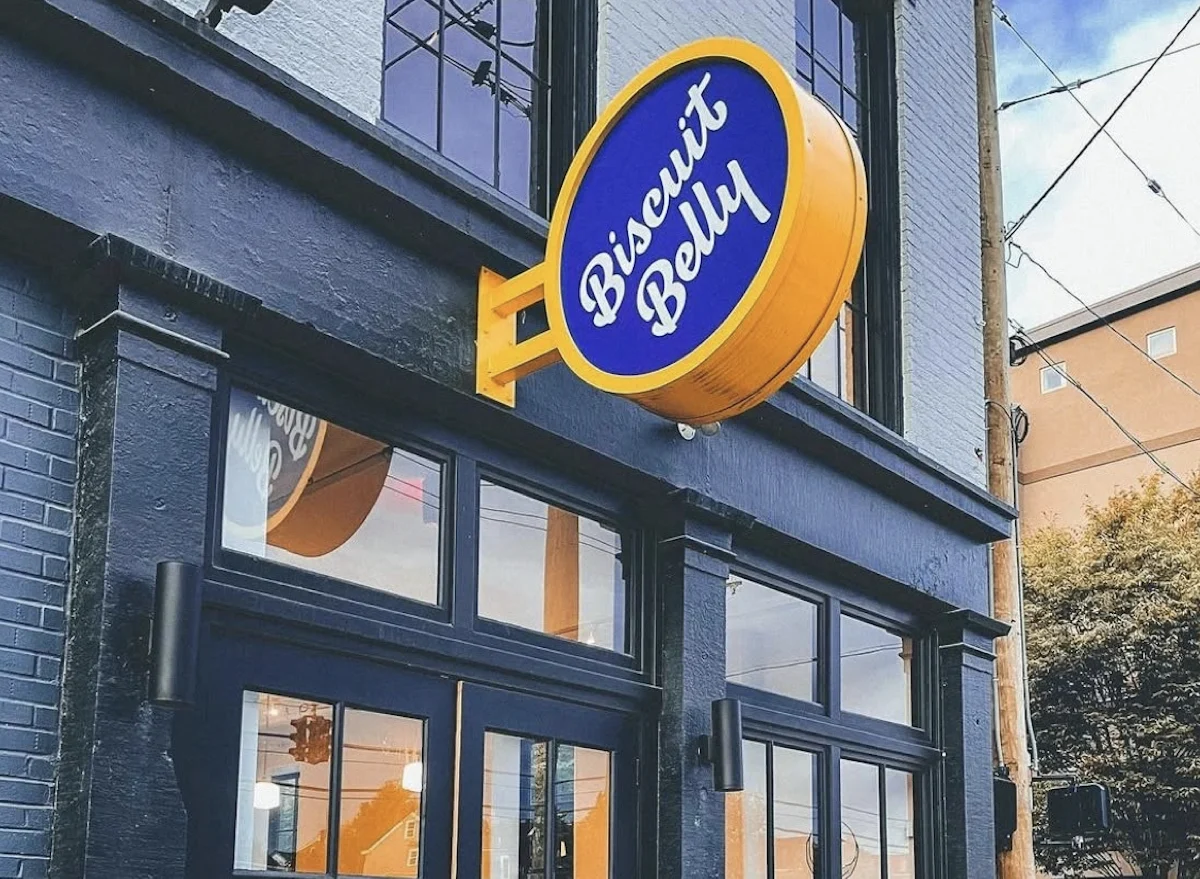
6. Biscuit Belly: A Modern Take on Southern Classics
As a smaller, fast-casual concept, Biscuit Belly has the agility to focus heavily on product quality. They have positioned themselves as a "biscuit-centric" destination, and consequently, their gravies are treated as a flagship offering rather than an afterthought.
Both their sausage and mushroom gravies are made in-house. By incorporating high-quality mushrooms and fresh, ground sausage into their roux, they have successfully elevated the concept of "fast-casual" breakfast. The chain’s focus on small-batch production ensures that the texture of the gravy remains velvety and the seasoning remains sharp—a stark contrast to the often "pasty" or "gummy" texture associated with mass-produced mixes.
7. Metro Diner: The Science of the Roux
Metro Diner treats the creation of their gravy as a fundamental culinary exercise. Their menu explicitly identifies their sausage gravy as "housemade," and they provide public-facing resources that explain the science behind their process.

According to their "Diner Digest," the secret to their success lies in "flavor development and consistency." They emphasize the importance of using flavorful drippings and high-quality sausage to build a proper roux. By thickening milk with this flour-and-fat mixture, they ensure that the gravy achieves the perfect viscosity. This transparency about their process does more than just sell food; it educates the consumer on why their gravy tastes better than the competition, fostering a deeper appreciation for the work that goes into a simple diner breakfast.
The Chronology of the Gravy Shift
The transition from scratch cooking to commercial mixes in the United States occurred primarily between the 1960s and the 1980s. As restaurant chains began to franchise rapidly, the need for uniform quality across hundreds of locations became paramount.
- The 1960s: The advent of instant food technology allowed manufacturers to produce dehydrated gravy mixes that were shelf-stable and easy to ship.
- The 1980s: The "Efficiency Era" saw many chains drop labor-heavy tasks in favor of "heat-and-serve" models to reduce overhead and staffing costs.
- The 2010s–Present: A counter-movement began. As the "farm-to-table" and "scratch kitchen" movements gained momentum, diners began to demand transparency. Chains that invested in scratch cooking saw higher customer retention and better reviews, leading to the current resurgence of the fresh-made approach.
Supporting Data: The Consumer Psychology of Comfort
Market research indicates that "authenticity" is the primary driver for diners choosing casual dining chains over fast-food alternatives. A study conducted by the National Restaurant Association found that 62% of diners are more likely to order a dish if the menu mentions that it is "made from scratch."
When it comes to gravy, the psychological association is one of "care." Customers subconsciously interpret scratch-made gravy as a signal that the restaurant values their patronage enough to invest the time required to cook properly. It is the ultimate comfort signal, replacing the sterile nature of industrial food with the warmth of a kitchen-prepared meal.

Official Responses and Culinary Philosophy
Why do these seven chains stick to the hard way? For companies like Cheddar’s and Metro Diner, it is a point of brand pride. In official statements, these companies emphasize that their kitchen workflows are designed to accommodate these tasks.
"The goal is not just to feed the customer, but to create a dining experience that reminds them of home," noted one industry analyst. "When a chain removes the ‘mix’ and uses a ‘recipe,’ they are effectively buying their way into the consumer’s emotional nostalgia. It is an expensive investment, but it is one that pays dividends in brand loyalty."
Implications for the Future of Dining
The commitment to scratch-made gravy has profound implications for the industry. First, it requires a higher caliber of staff training. You cannot teach a packet-opener to make a roux; it requires an understanding of heat, fat ratios, and timing. Consequently, these chains often boast lower employee turnover because their staff members are trained in actual culinary techniques.
Second, it sets a barrier to entry. If a new chain wants to compete with the likes of Texas Roadhouse or Black Bear Diner, they must now contend with the consumer’s growing expectation for quality.

As we look toward the future, the divide between "convenience chains" and "culinary chains" will likely widen. While the cost of raw ingredients remains volatile, the value of the "scratch" label has never been higher. For the seven chains listed above, the decision to keep the whisk in the hand of the cook, rather than the mixer in the bag of the manufacturer, remains the secret ingredient to their enduring success.
Whether it is a Tuesday morning at a local Waffle House or a Friday night dinner at a Texas Roadhouse, the next time you pour that ladle of gravy over your meal, take a moment to consider the process. You are tasting a commitment to tradition—a small, savory victory for the art of cooking in an increasingly automated world.