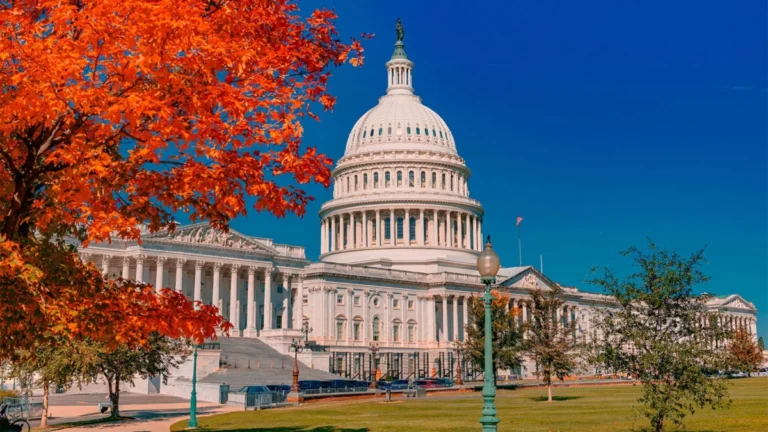




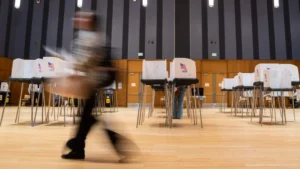


As the nation approaches another high-stakes election cycle, the airwaves are saturated with political messaging. From television advertisements to the constant, relentless scroll of social media, the reminders to vote are ubiquitous. However, as citizens prepare to head to the polls, a growing body of medical research offers a sobering, secondary reminder: the electoral process—particularly in our current era of intense polarization—is not merely a civic exercise. For many, it is a significant physiological stressor that can take a measurable toll on the human heart.
While we often compartmentalize our political lives as separate from our physical health, cardiovascular experts are increasingly highlighting the inextricable link between emotional volatility and cardiac stability. Recent data suggests that the weeks surrounding election days are associated with a spike in heart-related complications, ranging from dangerous arrhythmias to acute myocardial infarctions (heart attacks). As the medical community examines the data from the 2016 and 2020 cycles, a clear picture emerges: the political climate is a potent trigger for the cardiovascular system.
The Intersection of Politics and Pathology: Main Findings
The fundamental premise of this research is simple yet profound: stress is a biological phenomenon that does not discriminate based on political affiliation. Whether a voter is a staunch partisan or a disengaged observer, the cascade of hormones and nervous system responses triggered by high-anxiety environments remains largely the same.
"Your political party doesn’t matter to your heart; stress does," says Lindsey Rosman, an assistant professor of medicine in the division of cardiology at Northwestern University. "Your emotional health and your heart health are connected in ways that are often overlooked until a crisis occurs."
Studies conducted by Rosman and others have identified distinct, statistically significant shifts in cardiovascular health markers during early November. Even for those who do not possess a documented history of heart disease, the transient spikes in blood pressure and the disruption of normal heart rhythms during periods of heightened political anxiety can prove to be the "straw that breaks the camel’s back" for those with undiagnosed or underlying vulnerabilities.
A Chronology of Stress: The 2016 and 2020 Data
To understand the scope of the problem, researchers have turned to retrospective observational and cohort studies that isolate the election period from the rest of the calendar year.
The 2016 Election: Insights from Cardiac Devices
In a landmark study, Dr. Rosman utilized data from implanted cardiac devices to observe patients who were already diagnosed with heart rhythm disorders. By monitoring these patients during the six weeks surrounding the 2016 presidential election, her team identified a 77% increase in the rate of irregular heartbeats compared to a baseline control period.
Notably, this arrhythmia pattern was consistent across all demographics, including age, sex, and race. Furthermore, the risk was distributed equally across party lines. The study, conducted in North Carolina—a fiercely contested swing state in 2016—highlighted how the sheer volume of political advertising and the constant presence of campaign rhetoric can create a sustained environment of "background stress" that affects the heart’s electrical stability.
The 2020 Election: A Surge in Hospitalizations
Building on these findings, Matthew Mefford, a cardiovascular disease epidemiologist at Kaiser Permanente Southern California, sought to determine if the stress of the 2020 election translated into physical hospitalizations. Drawing a parallel to studies conducted after natural disasters—such as earthquakes or the 9/11 attacks—Mefford analyzed the five-day window immediately following Election Day.
The results were statistically significant: rates of hospitalizations for acute cardiovascular disease were notably higher during the post-election period than during the five-day window two weeks prior. This study was particularly telling because it included both patients with pre-existing heart conditions and those with no prior cardiac history, suggesting that the psychological strain of the election was sufficient to trigger clinical events in the general population.
The Mechanism: How Stress Becomes a Cardiac Event
To understand why a television ad or a social media post might lead to a heart attack, one must look at the body’s "fight-or-flight" response. When we are exposed to a constant stream of anxiety-inducing news, the sympathetic nervous system ramps up.
The Physiological Cascade
When the brain perceives a threat—be it a physical danger or an abstract, political one—the body releases a surge of adrenaline and cortisol. This hormonal flood causes:
- Increased Heart Rate: The heart works harder to pump blood, increasing oxygen demand.
- Blood Pressure Spikes: Narrowing blood vessels increase the strain on the cardiovascular system.
- Electrical Instability: The heart’s electrical conduction system can be disrupted, leading to arrhythmias, especially in those with pre-existing conditions like atrial fibrillation.
- Vagal Inhibition: The vagus nerve, which acts as the body’s "brake" for the heart, becomes less active, removing a critical layer of natural cardiac protection.
Behavioral Complications
Beyond the immediate biological response, the "election stress cycle" often encourages poor health habits. Sleep deprivation, increased consumption of alcohol or caffeine, the neglect of daily medication regimens, and a rise in the consumption of "comfort foods" (often high in sodium and saturated fats) create a perfect storm for cardiovascular failure.
In an era of 24-hour news cycles and algorithmic social media feeds, this stress is no longer limited to election week. It is a chronic condition. With nearly half of U.S. adults living with some form of cardiovascular disease—including hypertension—the potential for widespread, stress-induced cardiac events is a significant public health concern.
Official Responses and Medical Perspectives
The medical community is cautious not to suggest that politics causes heart disease, but rather that it serves as an acute trigger for those already at risk. As Dr. Mefford noted, "Stress comes in many forms, including both positive and negative. Being aware of how stress, generally, can impact your body is important, especially for those with pre-existing heart disease."
Both Rosman and Mefford emphasize that individual susceptibility varies. "Not everyone responds to stress in the same way or to the same magnitude that triggers a heart event," Mefford adds. However, the consistent nature of the data across various studies suggests that the trend is not merely anecdotal. The cardiovascular system is a sensitive barometer for emotional stability, and the high-octane environment of modern American politics is pushing that barometer into the red zone.
Implications for the Future of Public Health
The research into the 2016 and 2020 elections has opened a new frontier in cardiology. Dr. Rosman is currently spearheading efforts to use wearable technology to track acute stress events in real-time, hoping to capture a more granular view of how political stimuli affect the heart. A larger, nationwide follow-up study covering the 2020 and 2024 election cycles is anticipated to provide deeper insights into how the digital landscape—which has become increasingly polarized—is changing our physiological health.
For policy makers and public health officials, these findings imply that election season should be treated as a period of heightened health risk. Just as officials might issue warnings during extreme weather events, there is an argument to be made for public health messaging that emphasizes stress management and cardiac awareness during the lead-up to voting day.
What Can the Individual Voter Do?
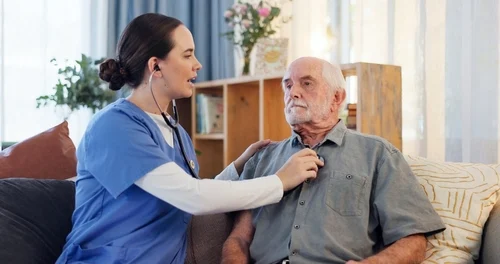
While the political landscape remains outside of an individual’s control, the management of the physiological response to that landscape is not. Cardiologists offer several evidence-based strategies for navigating election season without sacrificing heart health:
- Curate Your Information Diet: The "doom-scrolling" phenomenon is a significant contributor to cortisol spikes. Setting strict boundaries on news consumption, particularly in the hours leading up to bedtime, can allow the nervous system to recalibrate.
- Prioritize Physiological Restoration: Sleep is the body’s primary mechanism for repairing the damage caused by daily stress. Protecting sleep hygiene is non-negotiable during high-stress periods.
- Active Stress Modulation: Engaging in parasympathetic-activating activities—such as meditation, deep breathing exercises, or restorative yoga—can physically counteract the "fight-or-flight" response.
- Movement as Medicine: Moderate physical activity, such as walking or hiking in nature, is one of the most effective ways to lower blood pressure and burn off excess stress hormones.
- Adherence to Medication: During times of anxiety, it is easy to forget daily maintenance medications. Establishing a failsafe reminder system is critical for those with hypertension or known cardiovascular conditions.
"Listen to your body," Dr. Mefford concludes. If you find yourself experiencing chest pain, palpitations, or shortness of breath during a heated political debate or while reading the news, do not dismiss it as "just nerves." When it comes to heart health, caution is the only rational approach. As the nation continues to navigate deep divisions, the most radical act of citizenship may well be the act of taking care of one’s own heart.