










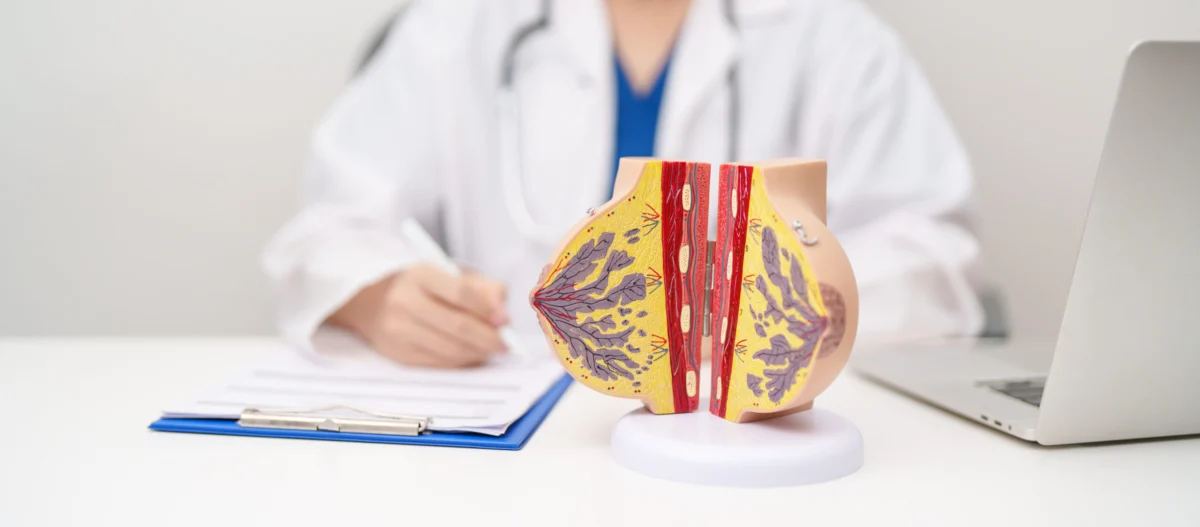
For decades, the medical community and the general public have largely categorized macromastia—the clinical term for significantly enlarged breast tissue—through the lens of aesthetics or localized musculoskeletal discomfort. However, groundbreaking new research from the Wake Forest University School of Medicine is challenging this perception, suggesting that the condition is not merely a cosmetic concern, but a systemic health issue tied to serious neurological and respiratory conditions.
A study published in the journal Headache has revealed that women suffering from macromastia face a statistically significant increase in the risk of developing obstructive sleep apnea (OSA), chronic migraines, and debilitating neck pain. These findings mark a shift in how clinicians may approach patient care, moving away from viewing breast size as a superficial attribute and toward understanding its role in complex, systemic chronic health conditions.
Main Facts: A New Clinical Perspective
The study, which analyzed health data from hundreds of women treated at Stanford Medical Center-affiliated clinics, provides empirical weight to what many patients have long reported anecdotally. The core finding is that the physical burden of macromastia—which includes excessive weight distribution across the chest and torso—creates a ripple effect that compromises neurological and respiratory health.
Specifically, the research highlights four primary health risks associated with the condition:
- Obstructive Sleep Apnea (OSA): Women with macromastia are 50% more likely to suffer from this dangerous condition, which causes repeated pauses in breathing during sleep.
- Chronic Migraine: The likelihood of experiencing chronic, debilitating migraines is approximately 40% higher in this cohort.
- Neck Pain: These patients are twice as likely to report persistent neck pain compared to their counterparts.
- Cervical Radiculopathy: This condition, characterized by nerve compression in the neck that can cause radiating pain, numbness, and weakness, occurs more than twice as often in women with macromastia.
These results were obtained after researchers meticulously adjusted for confounding variables, including age, body mass index (BMI), depression, and anxiety, ensuring that the findings reflect the specific impact of breast tissue volume rather than general physiological or psychological factors.
Chronology: Understanding the Research Timeline
The study represents a rigorous retrospective examination of patient history, spanning a seven-year window from 2017 to 2024.
- 2017–2024 (Data Collection): Researchers leveraged a comprehensive medical record database to track the health outcomes of 687 women. This long-term data collection allowed for a robust comparison between two distinct groups: 347 women with a clinical diagnosis of macromastia and a control group of 340 women without the condition.
- Analysis Phase: By utilizing electronic health records from specialized neurology and headache clinics, the researchers were able to filter for specific diagnostic codes, allowing them to isolate the prevalence of OSA and neurological pain among the two groups.
- Peer Review and Publication: Following the intensive data analysis, the findings were submitted to the journal Headache, where they underwent rigorous academic scrutiny before being published to the scientific community.
This timeline underscores the depth of the investigation; it was not a fleeting survey, but a sustained look at clinical outcomes over nearly a decade.
Supporting Data: The Statistics of Discomfort
The strength of the Wake Forest study lies in its statistical precision. By comparing the two groups, the researchers were able to quantify risks that had previously been categorized as vague "discomforts."
The data demonstrates that the physical strain of macromastia creates a "mechanical load" on the upper body. When the chest carries significant weight, the body’s center of gravity shifts, forcing the neck and shoulders to compensate. This chronic, low-grade structural strain is now being linked to the compression of nerves in the cervical spine—leading to the observed doubling of cervical radiculopathy cases.
Furthermore, the link to OSA is particularly striking. While OSA is often associated with obesity, this study proves that macromastia independently contributes to the risk of airway obstruction. The weight of the breast tissue may impact chest wall compliance and respiratory mechanics, especially when the patient is in a supine position (lying down), potentially exacerbating the collapse of the upper airway during sleep.
The correlation with chronic migraines suggests a "referred pain" mechanism. When the muscles of the neck and upper back are in a state of constant contraction to counteract the weight of the breasts, the resulting tension can trigger neurovascular pathways associated with migraines, effectively turning a musculoskeletal issue into a neurological one.
Official Responses: Shifting the Medical Narrative
Dr. Kristyn Pocock, lead author of the study and assistant professor of neurology at Wake Forest University School of Medicine, has been vocal about the implications of these findings. In an official release, Dr. Pocock emphasized that the medical community has long overlooked the systemic nature of macromastia.
"Many people think of enlarged breast tissue primarily as a cosmetic issue," Dr. Pocock noted. "But our findings suggest it may be associated with a broader range of women’s health concerns, including chronic migraine, neck pain, and sleep-related breathing disorders."
The reaction from the broader medical community has been one of validation. For years, clinicians in neurology and pain management have struggled to find the root cause of symptoms in patients who did not present with typical triggers for migraine or sleep apnea. This study provides a "missing link" for these practitioners, suggesting that a physical examination of the patient’s frame and breast tissue may now be a necessary part of the diagnostic protocol for patients with intractable neck or head pain.
Dr. Pocock further remarked on the need for clinical inquiry: "These findings raise important questions about how enlarged breast tissue may contribute to painful symptoms for women. More research is needed to determine whether treating macromastia could help certain women find relief and enhance quality of life."
Implications: The Future of Patient Care
The implications of this research are twofold: they influence both future clinical studies and current patient treatment pathways.
1. Clinical Management and Treatment
If breast reduction (mammoplasty) is found to be a therapeutic intervention for these conditions, it could change the landscape of insurance coverage and medical necessity. Currently, many insurance providers view breast reduction as a cosmetic procedure, requiring strict evidence of physical burden. If the link between macromastia and chronic, costly conditions like OSA and migraines is solidified, this procedure could be reclassified as a necessary treatment for neurological and respiratory health.
2. The Need for Future Longitudinal Research
While the current study is a massive step forward, it is a retrospective review, meaning it observes correlations at a single point in time. The next logical phase of research will be prospective longitudinal studies. Researchers will need to follow patients before and after medical interventions—such as weight loss, physical therapy, or surgical reduction—to see if the frequency of migraines, the severity of OSA, and the intensity of neck pain decrease in direct response to the reduction of breast tissue.
3. A Holistic Approach to Women’s Health
Ultimately, this research serves as a call for a more holistic approach to women’s health. By bridging the gap between neurology, pulmonology, and plastic surgery, medical professionals can better serve patients who have been suffering from invisible or misdiagnosed symptoms. It reinforces the fact that the human body is a single, integrated system, where physical structural anomalies can, and often do, result in systemic neurological consequences.
As the medical world digests these findings, the conversation surrounding macromastia is likely to change. It is no longer just a discussion about silhouette or appearance; it is a discussion about ergonomics, respiratory efficiency, and the management of chronic pain. For thousands of women, this research could be the first step toward finding relief from conditions that have been managed, rather than cured, for years.