







In the landscape of modern fitness, where high-intensity interval training (HIIT) and complex, equipment-heavy routines often dominate the conversation, the humble "bridge" remains one of the most underrated yet effective tools in a trainer’s arsenal. While it may lack the flashiness of a heavy deadlift or the intensity of a box jump, the bridge is a foundational movement that bridges the gap—pun intended—between basic mobility and long-term musculoskeletal health.
For those navigating life after 55, the bridge is more than just a floor exercise; it is a vital diagnostic tool and a preventative measure against the natural degradation of strength that accompanies aging. By recruiting the glutes and the core in a unified, low-impact motion, the bridge provides a blueprint for spinal health, pelvic stability, and functional independence.
The Foundation: Understanding the Mechanics of the Bridge
At its core, the bridge is an exercise designed to activate the posterior chain—specifically the gluteus maximus, hamstrings, and the deep stabilizers of the lumbar spine. Unlike movements that isolate a single muscle group, the bridge demands a coordinated effort from the entire midsection.
When you lift your hips toward the ceiling, you are not merely performing a glute exercise; you are engaging in a comprehensive core stabilization drill. This movement requires the transverse abdominis (the deepest layer of your abdominal muscles) and the obliques to fire in concert with the lower back muscles to create a rigid, protected cylinder around the spine.
Why Fitness Professionals Prioritize the Bridge
The consensus among NASM-certified trainers and physical therapists is unanimous: the bridge is a "must-include" movement for any balanced routine. Its low-impact nature makes it accessible for individuals with joint pain, arthritis, or those recovering from injury, while its ability to build "functional strength" makes it invaluable for daily life.
Consider the simple mechanics of your day: standing up from a chair, navigating stairs, or maintaining balance on uneven terrain. These activities are entirely dependent on the strength of your hips and the stability of your core. By training these muscles in a bridge, you are essentially practicing the movements that allow you to navigate the world without hesitation or fear of falling.
Chronology of a Movement: From Rehabilitation to Performance
The history of the glute bridge in physical culture has evolved significantly. Once relegated primarily to clinical settings for physical therapy—specifically for patients recovering from lower back injuries or ACL surgeries—the exercise has migrated into the mainstream fitness consciousness.

- The Clinical Origins: Originally, the bridge was prescribed as a "rehab staple." Because it allows for hip extension without placing a heavy compressive load on the lumbar spine, it was the gold standard for patients needing to "wake up" dormant glute muscles following sedentary periods or injury.
- The Functional Shift: As the fitness industry pivoted toward "functional training" in the early 2010s, the bridge was identified as a key movement to counteract the "sitting disease." As modern society spends more time at desks, the hip flexors become chronically tight, leading to a phenomenon known as "gluteal amnesia." The bridge became the primary antidote, effectively "turning on" the glutes that had gone dormant during long hours of sedentary work.
- The Longevity Standard: Today, the bridge is viewed through the lens of longevity. It is no longer just for injury recovery; it is a primary movement pattern used to ensure that adults maintain the ability to lift their own body weight effectively into their 70s, 80s, and beyond.
Supporting Data: The Core and the Driver
To understand why the bridge is so effective, we must look at the biomechanical relationship between the core and the glutes. Rosie Borchert, NASM-CPT with REP Fitness, provides a perfect analogy for this interaction: "Think of it like a road trip—the glutes are the driver, and the core is the passenger, there to help keep the driver company so they can do their job well."
The "Passenger" Effect
While the gluteus maximus provides the explosive power to lift the hips, the core acts as the stabilizing force. If the core were absent, the spine would hyper-extend under the pressure of the hips rising. The engagement of the transverse abdominis prevents this, ensuring that the spine remains in a neutral, safe alignment. This internal "bracing" is what makes the bridge a core exercise in the truest sense of the word.
Anti-Extension: A Different Kind of Core Training
To appreciate the bridge, one must distinguish it from classic "flexion" exercises like crunches.
- Dynamic Flexion (Crunches/Sit-ups): These movements bend the spine forward, focusing on the rectus abdominis. While popular, they can sometimes place unnecessary strain on the cervical spine or lower back if performed with poor form.
- Isometric Anti-Extension (Bridges): The bridge works the core by resisting motion. By forcing the core to stay rigid while the hips move, you are training the body to maintain structural integrity under load. This is arguably more relevant to daily activities—like carrying heavy groceries or holding a toddler—than the ability to perform 50 sit-ups.
Official Expert Insight: Benchmarks for the 55+ Demographic
Is there a standard for excellence when it comes to holding a bridge? According to Borchert, the answer lies in muscular endurance. While younger adults (aged 18–35) can typically sustain a bridge for 60 to 100 seconds, those in the 55+ demographic should aim for a different, but equally impressive, target.
The 55+ Challenge:
- The Baseline: Aiming for a 30 to 60-second hold indicates "solid glute and trunk endurance."
- The Gold Standard: If you can sustain a perfect-form bridge for over 60 seconds, you are demonstrating "excellent muscular endurance and above-average hip stability."
Borchert emphasizes that this is not about "chasing a number." As we age, muscle mass naturally trends downward—a process known as sarcopenia. The goal is to counteract this through progressive overload. Start where you are, hold for as long as your form remains perfect, and gradually increase your time under tension week by week.
Implications for Daily Living and Future Health
The implications of incorporating bridges into a regular routine are profound. By strengthening the posterior chain, you are effectively "bulletproofing" your body against several common ailments associated with aging.
1. Fall Prevention
Falls are a leading cause of injury among seniors. By strengthening the hips and core, you improve your balance and gait. A strong set of glutes allows for a more stable stride, meaning you are less likely to stumble on uneven surfaces.
2. Pain Mitigation
Many cases of chronic lower back pain are actually caused by weak glutes. When the glutes fail to do their job, the lower back muscles are forced to compensate, leading to chronic strain and fatigue. By strengthening the glutes through bridge work, you "offload" the work from your lumbar spine, often resulting in a significant reduction in back discomfort.
3. Ease of Mobility
The ability to stand from a seated position, climb a flight of stairs, or get in and out of a car without help is the definition of independence. The bridge mimics the exact recruitment patterns needed for these movements. When you master the bridge, you aren’t just getting stronger; you are preserving your independence.
Conclusion: How to Start Your Journey
The beauty of the bridge is its accessibility. You do not need a gym membership, a personal trainer, or fancy equipment. All you need is a flat surface and the consistency to show up for your body.
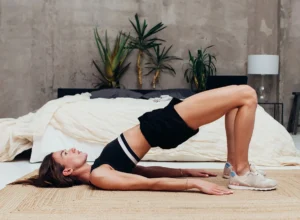
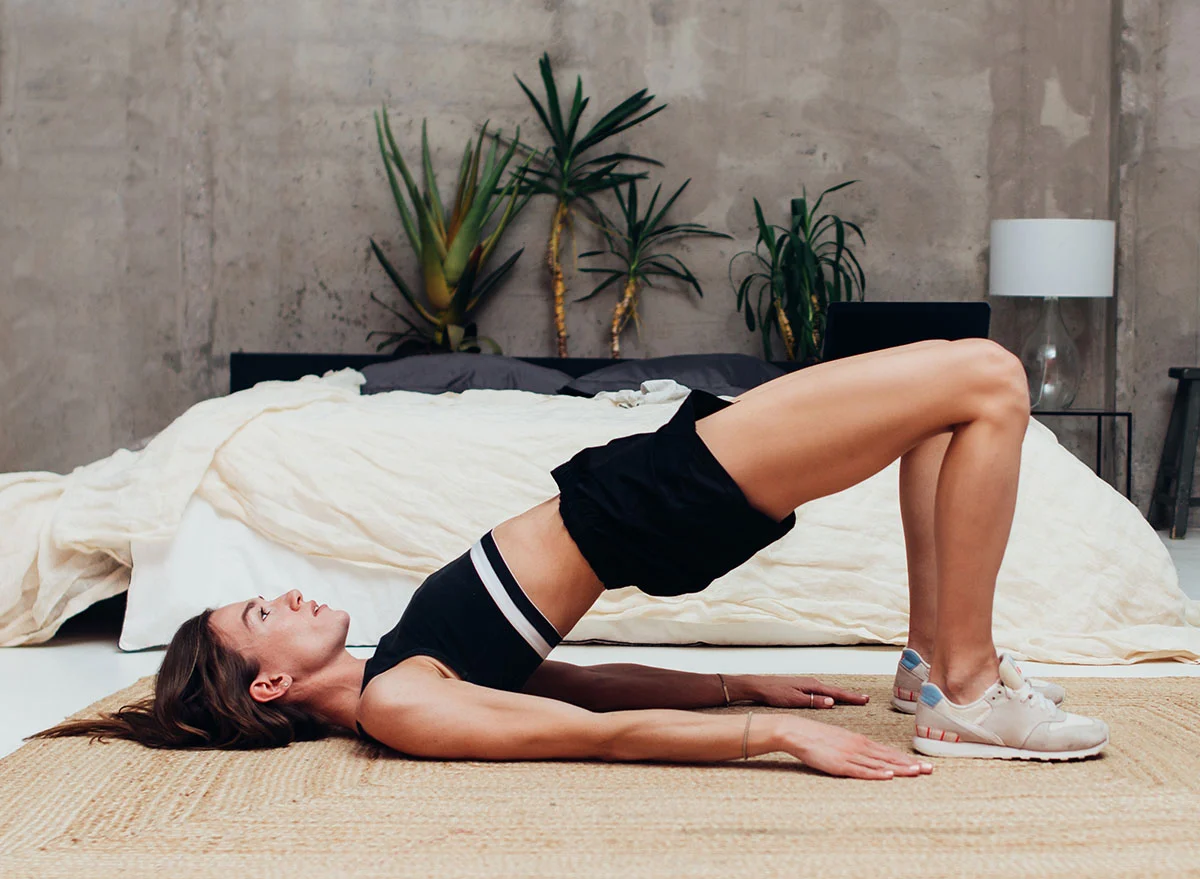
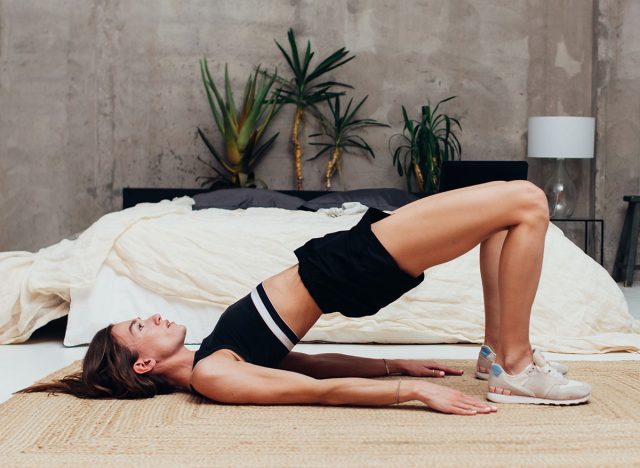
To perform a proper bridge:
- Lie flat on your back with your knees bent and feet flat on the floor, hip-width apart.
- Engage your core (imagine pulling your belly button toward your spine).
- Drive through your heels to lift your hips until your body forms a straight line from your knees to your shoulders.
- Squeeze your glutes at the top.
- Hold for your target time, maintaining a steady breath, then slowly lower your hips back to the floor.
By prioritizing this movement, you are investing in your future. You are building the stability that will allow you to walk, climb, and move with confidence for years to come. Whether you hold it for 30 seconds or 90, the most important repetition is the one you do today. Start small, maintain your form, and let the bridge become the cornerstone of your longevity routine.