







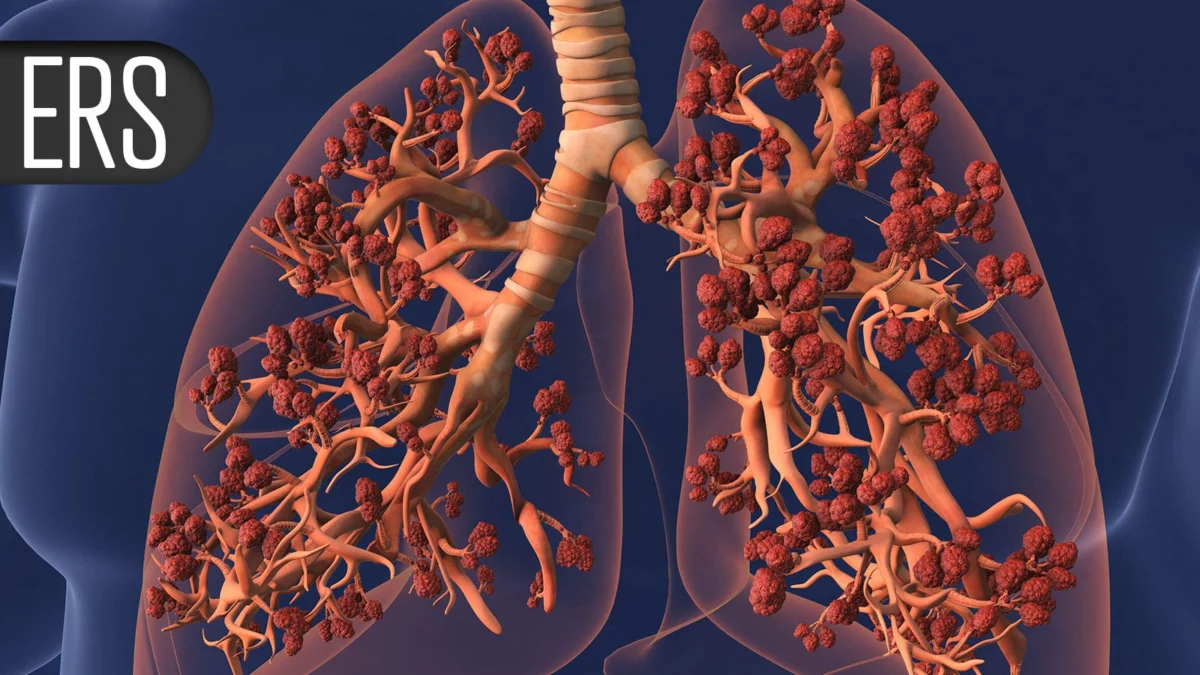
In a significant development for respiratory medicine, the investigational biologic lunsekimig has demonstrated robust clinical efficacy in the treatment of moderate-to-severe asthma. The findings, presented at the European Respiratory Society (ERS) Congress in Barcelona, suggest that a dual-target approach—simultaneously inhibiting thymic stromal lymphopoietin (TSLP) and interleukin (IL)-13—may represent the next frontier in achieving long-term disease control and potentially even remission for patients with complex, inflammatory airway disease.
The phase II AIRCULES study, which evaluated 685 patients across several continents, provided the data necessary to substantiate the potential of this novel therapy. By addressing both the upstream initiator of inflammation (TSLP) and a downstream driver (IL-13), lunsekimig appears to overcome the limitations of traditional biologics that focus on singular pathways.
The Clinical Landscape: A New Mechanism of Action
Asthma remains a heterogeneous disease, characterized by varying levels of inflammation and physiological responsiveness. Current biological therapies, such as tezepelumab (anti-TSLP) and dupilumab (anti-IL-4/IL-13), have transformed the standard of care for many; however, a significant percentage of patients remain "partial responders." This clinical reality is often attributed to the redundancy of inflammatory pathways, where blocking one cytokine leads to compensatory activation of another.
Lunsekimig seeks to break this cycle. By deploying a dual blockade, the therapy targets the inflammatory cascade at two critical junctions. TSLP acts at the very beginning of the inflammatory response, often triggered by environmental allergens, while IL-13 is a key effector cytokine that drives mucus production, airway hyperresponsiveness, and tissue remodeling. Proponents of this dual-targeted approach argue that by "pinching" the pathway at both ends, physicians can achieve more comprehensive control of the disease.
Chronology of the AIRCULES Trial
The AIRCULES study was a double-blind, placebo-controlled trial designed to assess the safety and efficacy of subcutaneous lunsekimig in adults aged 18 to 80. Participants were required to be classified under the Global Initiative for Asthma (GINA) steps 4 or 5, meaning they were already on medium- to high-dose inhaled corticosteroids, yet continued to struggle with uncontrolled symptoms.
- Study Design: Participants were randomized to receive various doses of lunsekimig—ranging from 60 mg every 8 weeks to 300 mg every 4 weeks—or a placebo.
- Baseline Metrics: The cohort represented a high-burden population, with an average age of 52. Roughly 49% of participants had experienced two or more exacerbations in the year prior to enrollment, and 37% had experienced at least one. Baseline pulmonary function was compromised, with a mean pre-bronchodilator predicted forced expiratory volume in one second (FEV1) of 60.8%.
- Primary Endpoint: The primary objective was to observe the reduction in asthma exacerbations over a 48-week period.
- Reporting: Data were unveiled at the 2024 ERS Congress by Njira Lugogo, MD, of the University of Michigan in Ann Arbor, highlighting the statistically significant outcomes observed at the 300 mg dosage.
Supporting Data: Efficacy and Patient-Centric Outcomes
The results of the AIRCULES trial were notably positive, particularly at the highest dosage of 300 mg every 28 days. When compared to the placebo group, patients receiving this regimen experienced a 55.3% reduction in asthma exacerbations over the 48-week study period, with a highly significant P-value of 0.0016.
Secondary Endpoints and Subgroup Analysis
Beyond the primary metric of exacerbation reduction, lunsekimig demonstrated broad benefits:
- Lung Function: The trial observed rapid and sustained improvements in lung function, a critical factor for patients who suffer from chronic airway obstruction.
- Quality of Life: Utilizing the Standardized Asthma Quality of Life Questionnaire, researchers documented improvements in patient-reported outcomes, suggesting that the clinical benefits translated into tangible improvements in daily living.
- Subgroup Efficacy: Perhaps most compellingly, the response to lunsekimig was consistent across various subgroups. Patients with high type 2 inflammation (indicated by FeNO levels of 25+ ppb) and those with two or more recent exacerbations showed a higher magnitude of response. Importantly, the drug remained effective regardless of baseline eosinophil levels, a feature that differentiates it from some existing biologics that are largely restricted to high-eosinophil phenotypes.
Safety Profile
Safety data from the study provided reassurance for the long-term potential of the drug. The most common adverse events—upper respiratory tract infections (12.2%) and nasopharyngitis (9.6%)—were consistent with the expected safety profile of injectable asthma therapies. Notably, there were no treatment-emergent deaths, and anti-drug antibody titers were found to be low, with no significant impact on the drug’s pharmacokinetic performance.
Official Responses and Expert Perspective
Dr. Njira Lugogo, in her presentation to the ERS Congress, expressed significant optimism regarding the trial’s implications. "This trial is very impactful," she stated. "Lunsekimig achieved a statistically significant and clinically meaningful reduction in asthma exacerbations. I think this is the next frontier, and we’ll learn a lot more as we start to engage in targeting duplicative and redundant pathways."
However, the clinical community remains appropriately cautious. Lena Uller, PhD, MSc, of Lund University in Sweden, who served as a session discussant, acknowledged the promise of the data but highlighted the need for further rigorous evaluation.
"The question is if it really targets both these upstream and downstream mediators," Dr. Uller noted. "And, of course, this effect that you see, is it an additive effect or is it really a synergistic effect? I think for future research, it’s really important to do studies where you can compare its effectiveness against other biological treatments, such as anti-TSLP, to really compare efficacy."
Dr. Lugogo addressed these concerns during the Q&A session, emphasizing the prevalence of "partial responders" in current clinical practice. "The majority of our patients are partial responders, many because they have discordant upper and lower airway responses to biologics," she explained. "I do think that biologics we currently have tend to target one pathway, but there is redundancy in inflammation."
Implications for the Future of Asthma Care
The emergence of lunsekimig signals a shift in the philosophy of asthma management. For decades, the goal has been symptom control; today, the goal is shifting toward "complete remission."
The "Next Generation" of Biologics
As the medical community moves toward multi-specific targeted biologics—including potential tri-specific therapies—the ability to silence multiple inflammatory signals simultaneously could effectively "turn off" the asthmatic response in even the most refractory cases. By tackling both TSLP and IL-13, lunsekimig acts as a bridge between current, narrow-spectrum treatments and a more comprehensive, personalized approach.
Ongoing Research and Expansion
The journey for lunsekimig is far from over. Given its success in the AIRCULES trial, the clinical development program has expanded significantly:
- Asthma: The drug is currently under investigation for high-risk asthma in the phase II AIRLYMPUS study and the open-label AIRPHRODITE extension study, which will provide long-term data on safety and durability of response.
- COPD: Beyond asthma, the developers are aggressively pursuing indications in chronic obstructive pulmonary disease (COPD). Phase III testing is already underway in the PERSEPHONE and THESEUS studies. This expansion suggests that the dual-blockade mechanism may have broad utility across the spectrum of chronic inflammatory lung diseases.
Conclusion: A New Horizon
While the medical community awaits the final results of the phase III trials, the data presented in Barcelona marks a milestone in respiratory research. If lunsekimig can consistently replicate the 55.3% reduction in exacerbations seen in the AIRCULES study, it will likely become a cornerstone of therapy for patients who have exhausted current treatment options. The dream of achieving complete remission in asthma, once considered out of reach, now appears to be a tangible target for the next decade of clinical medicine.
As researchers continue to dissect the synergy between TSLP and IL-13 inhibition, the focus will undoubtedly shift toward comparing these dual-action biologics against the current gold standards, ultimately ensuring that patients receive the most effective intervention tailored to their specific inflammatory profile.