









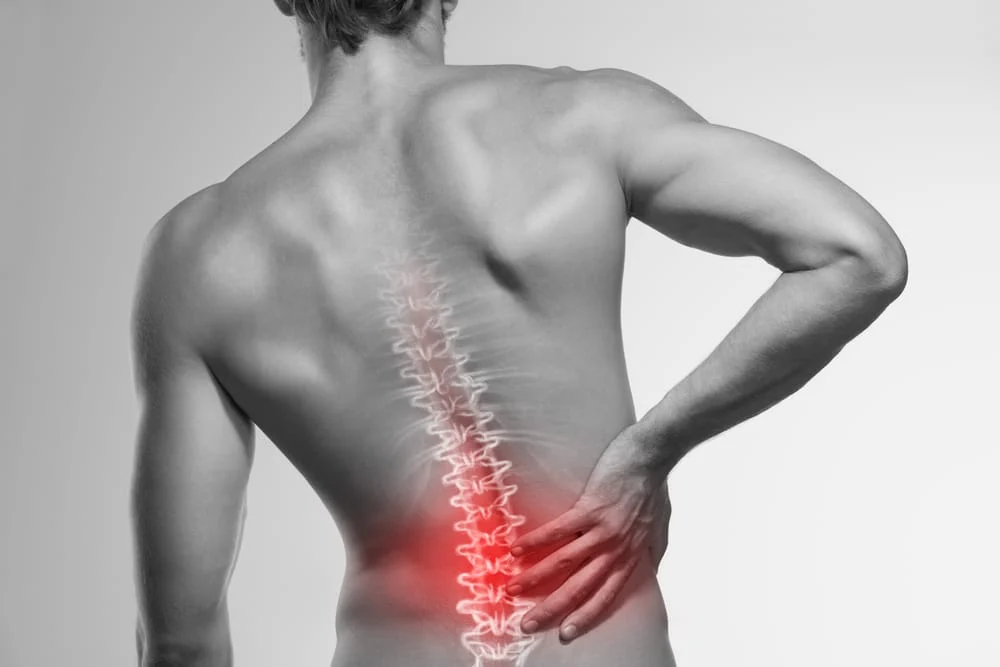
In the modern medical landscape, chronic pain remains one of the most pervasive and debilitating health crises. Affecting millions of adults globally, persistent pain—whether stemming from spinal injuries, nerve damage, or degenerative conditions—often leads to a cycle of pharmaceutical dependency and diminished quality of life. However, a paradigm shift is underway in the Sunshine State. The Southwest Florida (SWFL) Pain Center is emerging as a beacon of clinical innovation, moving away from traditional systemic medication toward precision interventional techniques designed to target the root causes of suffering.
Main Facts: The "High-Tech, High-Touch" Philosophy
At the core of the SWFL Pain Center’s methodology is a dual-pronged approach described by its practitioners as "high-tech meets high-touch." The facility operates on the principle that chronic pain is not a condition to be managed with a lifetime of pills, but a physiological puzzle to be solved through advanced diagnostics and minimally invasive intervention.
The center distinguishes itself by housing state-of-the-art on-site surgical suites, a rarity in outpatient pain management. This allows for unmatched precision, as patients are treated in a controlled, specialized environment rather than being shuffled between diagnostic centers and operating rooms. By utilizing advanced imaging technologies—including fluoroscopy and ultrasound guidance—the medical team ensures that every injection, ablation, or stimulator placement is executed with surgical accuracy.
The objective is singular: to bypass the "band-aid" approach of narcotic reliance and instead deploy targeted, evidence-based interventions that mitigate pain at the source.
A Chronology of Innovation in Pain Management
To understand the current success of the SWFL Pain Center, one must look at the evolution of pain medicine over the past two decades.
- The Era of Reliance (Late 1990s – Early 2000s): For years, the medical community relied heavily on systemic pharmacotherapy. While medications provided temporary relief, they often brought severe side effects, including sedation, gastrointestinal issues, and the looming risk of dependency.
- The Shift toward Interventionalism (2010s): As the limitations of long-term drug therapy became clear, the field began to pivot toward interventional pain management. This era marked the rise of spinal cord stimulation and radiofrequency ablation as viable, non-narcotic alternatives.
- The SWFL Pain Center Integration (Recent Years): The center was established to bridge the gap between academic research and clinical application. By incorporating on-site surgical capabilities, the facility minimized the logistical burdens on patients, allowing for a more cohesive and continuous treatment journey.
- The Modern Precision Era: Today, the center utilizes real-time ultrasound and fluoroscopic guidance, ensuring that treatments are not only effective but also safer, reducing the risk of complications associated with "blind" injections.
Supporting Data: Understanding the Advanced Treatment Spectrum
The clinical success of the SWFL Pain Center is predicated on a diverse toolkit of specialized interventions. Each treatment is curated to the patient’s specific anatomy and pain profile:
Spinal Cord Stimulation (SCS)
For patients suffering from failed back surgery syndrome or complex regional pain syndrome, SCS represents a breakthrough. By sending mild electrical impulses to the spinal cord, the device intercepts pain signals before they reach the brain, effectively "masking" the sensation of pain.
Radiofrequency Ablation (RFA)
RFA is a minimally invasive procedure that uses heat to disable the nerves responsible for sending pain signals. It is frequently employed for chronic neck and back pain arising from facet joints. By neutralizing the nerve fibers, patients can experience significant, long-term relief without the need for systemic anesthesia.
Ultrasound and Fluoroscopy-Guided Injections
Precision is the hallmark of the SWFL Pain Center. Using high-resolution imaging, clinicians can navigate complex anatomical structures to deliver anti-inflammatory medications precisely into the epidural space or around inflamed nerve roots. This eliminates the guesswork, significantly increasing the probability of a successful outcome compared to traditional methods.
Discography
As a diagnostic gold standard, discography allows physicians to identify which specific intervertebral discs are the source of a patient’s back pain, ensuring that any subsequent surgical or procedural intervention is directed exactly where it is needed most.
Official Responses and Clinical Perspectives
The philosophy of the SWFL Pain Center has garnered significant attention from both medical peers and the broader patient community. According to reports featured in Harborstyle Magazine, the center’s environment is intentionally curated to be an "artistic atmosphere."
Medical directors at the facility emphasize that the physical environment is as important as the clinical procedure. "Chronic pain creates a heightened state of stress and anxiety," one lead clinician noted. "By creating a soothing, aesthetic space, we reduce the physiological stress response, which in turn helps the patient tolerate procedures better and recover faster."
Industry experts point out that the center’s "on-site" model represents the future of specialized medicine. By consolidating imaging, surgical intervention, and post-procedural care, the SWFL Pain Center creates a "closed-loop" system. This not only enhances patient safety but also creates a more personalized treatment path, as the physician overseeing the diagnostics is the same one performing the intervention.
Implications: The Path to a Pain-Free Lifestyle
The implications of this model are profound for the broader healthcare landscape. As the population ages, the demand for effective, non-narcotic pain management will only increase. The success of the Southwest Florida Pain Center serves as a blueprint for how smaller, specialized clinics can offer high-level, hospital-grade care in a more compassionate, patient-centered environment.
1. The End of the Pharmaceutical Cycle
The most significant implication is the potential for patients to reclaim their lives from the cycle of dependency. By addressing the root cause, many patients find they no longer require the heavy dosages of painkillers that previously dictated their daily schedules and limited their physical mobility.
2. Economic and Quality-of-Life Gains
Chronic pain is a leading cause of disability and lost productivity. By offering effective, minimally invasive treatments, the SWFL Pain Center helps patients return to their professional and personal lives. The economic ripple effect—reduced reliance on emergency care, fewer hospital readmissions, and a higher participation rate in the workforce—is substantial.
3. A Focus on Holistic Patient Experience
Beyond the clinical data, the "high-touch" aspect ensures that patients are treated as individuals rather than cases. In an age of digitized medicine, the emphasis on a soothing environment and personalized treatment plans restores a sense of dignity to the medical process.
Conclusion: A New Standard for Care
The Southwest Florida Pain Center is more than a medical facility; it is a testament to the idea that pain management should be aggressive, precise, and deeply personal. By integrating advanced technology with a compassionate, patient-first philosophy, the center is setting a new standard for how we address the complexities of chronic pain.
For those who have lived under the shadow of persistent pain, the message from the SWFL Pain Center is one of hope. Through the combination of spinal cord stimulation, targeted injections, and advanced ablation techniques, the prospect of a pain-free life is no longer a distant dream—it is a measurable, achievable reality. As the center continues to innovate, it serves as a vital reminder that with the right expertise and the right tools, the burden of pain can be lifted, and the quality of life restored.
Disclaimer: This article is for informational purposes only. If you are suffering from chronic pain, please consult with a licensed medical professional to discuss a treatment plan tailored to your specific health needs.