











For over a century, the iconic red-and-white label of Campbell’s Condensed Soup has been a staple in kitchen pantries across the globe. More than just a quick meal for a rainy day, these soups represent a fascinating intersection of food science, economic history, and domestic culinary culture. As we look at the most highly-hyped flavors today, it is clear that these products have transcended their origins to become the essential building blocks of modern home cooking.
The Historical Genesis: A Revolution in a Can
The story of Campbell’s Condensed Soup is one of pure innovation. In 1897, Dr. John T. Dorrance, a chemist and nephew of the company’s president, achieved a breakthrough that would change the grocery industry forever. By developing a method to remove the water from the soup, he successfully reduced the weight and volume of the product, which in turn slashed shipping and manufacturing costs.
This technological shift allowed the company to drop the price of a can of soup from 30 cents to a mere 10 cents. At the turn of the 20th century, this was a monumental change, making high-quality, shelf-stable nutrition accessible to the average American household. Today, while Campbell’s continues to sell millions of cans annually, their role has shifted; they are no longer just a quick lunch option but a fundamental "secret ingredient" used by millions of home chefs to construct complex gravies, casseroles, and sauces.

1. Campbell’s Condensed Tomato Soup: The Gold Standard
It is impossible to discuss the history of canned goods without acknowledging the cultural phenomenon that is Campbell’s Condensed Tomato Soup. It is widely considered the quintessential "comfort food" in the American diet.
Fan Reception and Culinary Use
Shoppers consistently cite the product’s consistency as its greatest strength. While the world has changed drastically since 1897, fans often remark that the flavor profile of this soup remains a rare constant in their lives. The synergy between the acidic, sweet tomato base and the richness of a grilled cheese sandwich is a pairing so iconic that it has become a staple of American pop culture. "Campbell’s tomato soup seems like one of the few things from my childhood that hasn’t changed tastewise," notes one loyal fan. It serves as a nostalgic touchstone that links generations, proving that simplicity, when executed well, can outlast trends.
2. Campbell’s Cream of Mushroom: The Casserole King
If Tomato Soup is the king of the pantry, Cream of Mushroom is the undisputed monarch of the oven. While it is certainly delicious on its own, its primary utility in American kitchens is as a binder and flavor enhancer for mid-week meals.

Culinary Versatility
From the traditional Thanksgiving green bean casserole to various tuna bakes and chicken stroganoffs, the umami-rich profile of this soup acts as an instant shortcut for home cooks. "The best base for gravies, and I love that the recipe has never changed," says one long-time user. The soup’s ability to add depth, moisture, and a savory finish to poultry or pasta dishes makes it an indispensable tool for the home cook looking to elevate basic ingredients with minimal effort.
3. Campbell’s Chicken Noodle Soup: The Remedy
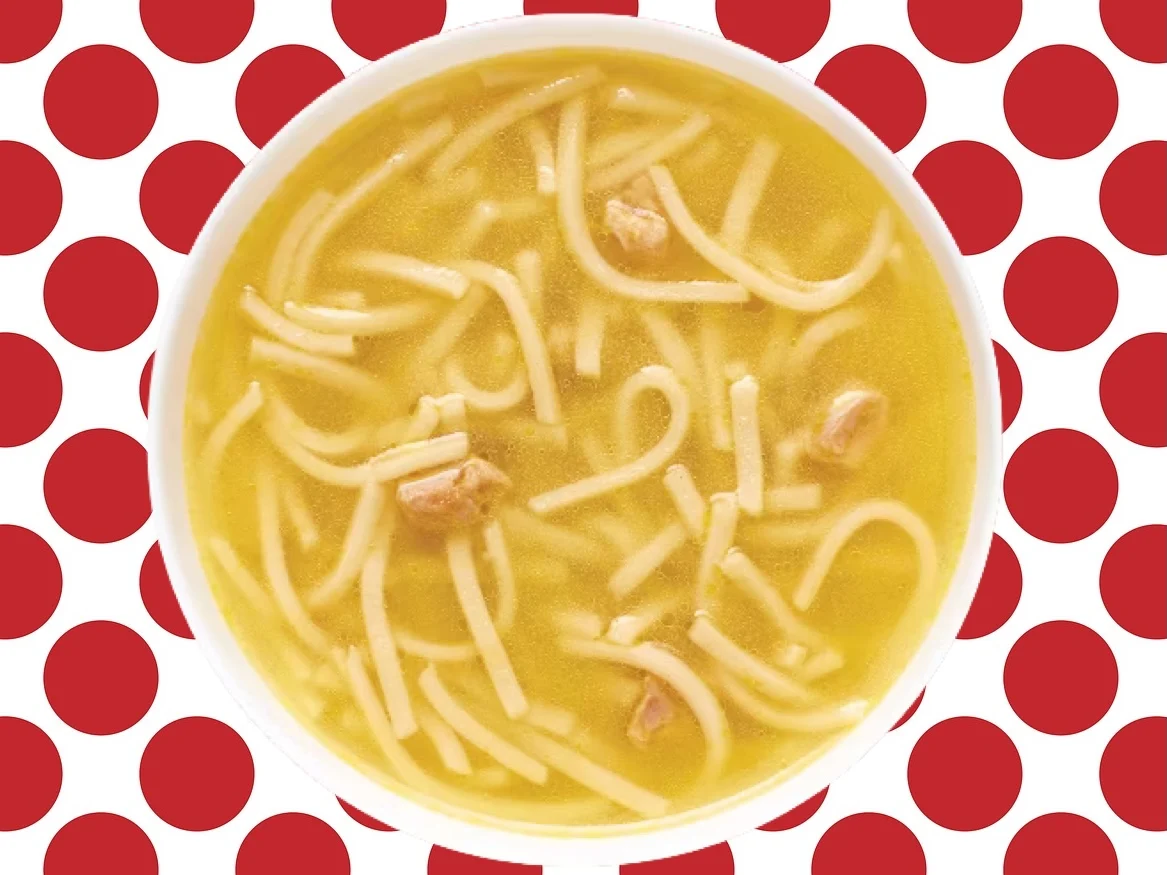
Perhaps no product is more associated with recovery than Campbell’s Chicken Noodle Soup. With its rich, salty broth and classic egg noodles, it has been the go-to meal for the under-the-weather for decades.
Why Fans Stay Loyal
The appeal here is twofold: the flavor and the convenience. While some health-conscious consumers point to its sodium content, others argue that this specific salinity is exactly what makes the soup so crave-worthy. "The soup can be considered salty, which is a big reason I like it," one enthusiast admits. This honesty highlights the difference between a product designed for daily health and one designed for satisfaction and comfort. Its enduring popularity suggests that for many, the "classic" flavor profile of chicken, noodles, and broth is irreplaceable.

4. Campbell’s Cream of Chicken: The Culinary Architect
Similar to its mushroom counterpart, Cream of Chicken is a cornerstone of American home-cooked meals. Its mild, creamy, and savory nature makes it an incredibly versatile base for those experimenting with new recipes.
Enhancing Home Recipes
Many shoppers report using this as an additive to boost their own homemade soups. By adding a can or two to a pot of chicken noodle soup, cooks can achieve a thicker, more velvety texture that feels "from-scratch." Its success lies in its subtlety; it provides a savory foundation that allows other ingredients—such as fresh herbs, roasted chicken, or seasonal vegetables—to take center stage without being overwhelmed.
5. Campbell’s Bean with Bacon: The Smoky Classic
For those who prefer a heartier, more rustic option, the Bean with Bacon soup stands out for its distinct, smoky profile. Unlike the creamy bases of the other top-rated soups, this variety relies on the texture of navy beans and the savory bite of bacon.

Creative Customizations
The fan community surrounding this flavor is particularly active in sharing "hacks." From melting in sharp cheddar cheese to substituting water with milk for a richer mouthfeel, the Bean with Bacon soup is a canvas for personalization. One Reddit user noted, "I make it with 1/2 can of milk (no water) and after microwaving, melt in a handful of grated cheddar cheese." This level of engagement proves that even a simple canned soup can become a gourmet endeavor with the right creative touch.
6. Campbell’s Broccoli Cheese Soup: The Texture Favorite
Campbell’s Broccoli Cheese soup fills a specific niche for those who want a thick, comforting, and indulgent meal. It is frequently used by busy parents as a base for quick mac-and-cheese or as a shortcut for a cheesy vegetable bake.
A Time-Saving Solution
The value proposition here is simple: it provides the richness of a cheese sauce without the labor-intensive process of creating a traditional roux. "Great base for homemade macaroni and cheese when I don’t have time to make my own roux," one customer explains. By providing a pre-thickened, cheese-forward base, Campbell’s allows home cooks to deliver high-flavor comfort food during the busy work week.

7. Campbell’s French Onion Soup: The Gourmet Shortcut
French Onion soup is notoriously difficult to make from scratch, requiring hours of slow-caramelizing onions to achieve the perfect depth of flavor. Campbell’s condensed version provides an efficient alternative for home chefs.
The "Wing-It" Philosophy
Fans of this flavor appreciate the flexibility it offers. Many treat the condensed soup as a starting point, adding their own sautéed onions, fresh herbs, or specialty cheeses to tailor the final product to their taste. As one shopper shared, "I couldn’t really find recipes online that I liked, so I just wing it… It’s delicious!" This highlights the brand’s enduring success: it doesn’t dictate how a dish should be made; it provides the structure upon which the home cook can build their own masterpiece.
Supporting Data: Why Condensed Soup Persists
The data regarding consumer behavior indicates that these soups have successfully weathered the rise of "fresh" and "organic" food trends. While many consumers are more conscious of ingredients than they were in 1897, the demand for "pantry staples" remains incredibly high.

Market research shows that during economic downturns, demand for condensed soups often spikes. This is likely due to their affordability, their high caloric density, and their ability to stretch more expensive proteins (like chicken or beef) into larger, more filling meals. Campbell’s has managed to pivot its marketing strategy over the last decade, focusing heavily on the "recipe potential" of their cans rather than just the soup itself. This transition from "meal-in-a-can" to "ingredient-in-a-can" has been the primary driver of their modern-day relevance.
Official Responses and Corporate Strategy
Campbell Soup Company has frequently acknowledged the "recipe-first" approach of its customers. In various public statements and brand campaigns, the company has leaned into the reality that their products are essential for classic holiday dishes. By maintaining the integrity of their most popular formulas, they have successfully avoided the "New Coke" effect—understanding that their customers are looking for consistency and nostalgia, not disruption.
Furthermore, the company has invested heavily in digital recipe databases, providing consumers with thousands of ways to use these soups. This digital integration has bridged the gap between the 1897 invention and the modern, internet-savvy home cook.

Implications for the Future of Home Cooking
The success of these seven flavors points to a broader trend in domestic life: the desire for efficiency without sacrificing the "homemade" feel. As lifestyles become increasingly hectic, the demand for products that can act as both a standalone meal and a foundational ingredient will only grow.
Campbell’s legacy is not just about the soup; it is about the democratization of flavor. By creating a shelf-stable, affordable, and versatile product, Dr. John T. Dorrance enabled millions of people to cook meals that might otherwise have been too expensive or time-consuming to prepare. Whether it is a bowl of tomato soup on a cold day or a complex casserole for a family gathering, these red-and-white cans remain a testament to the idea that great cooking doesn’t always require starting from scratch—sometimes, it just requires a little bit of help from a trusted classic.
As we look toward the next century of the Campbell’s brand, it is clear that their strength lies in their ability to remain both a household name and a hidden asset in the kitchen. They have mastered the art of being there when we need them most, proving that in the ever-changing landscape of food, some classics are built to last.