In the ancient, intricate tapestry of Ayurvedic medicine, health is not merely the absence of disease; it is a state of dynamic equilibrium between the mind, body, and consciousness. As the seasons shift and the world enters the heavy, cold grip of winter, practitioners of this 5,000-year-old healing system turn their attention to the maintenance of this internal balance. Central to this seasonal ritual is Nasya—a therapeutic practice of nasal administration that serves as a profound tool for purification, mental clarity, and the revitalization of the body’s life force.
The Foundations of Ayurvedic Healing: Pacification vs. Purification
Ayurveda operates on the principle that when an individual experiences a psychosomatic disorder, it is a sign that the body’s doshas—the bio-energetic forces of Vata, Pitta, and Kapha—have fallen out of alignment. To restore order, the practitioner must first determine the appropriate therapeutic strategy: Shamanam (pacification) or Shodanam (purification).
Shamanam: The Path of Nourishment
Shamanam is indicated when an individual is in a weakened state. In this context, the body lacks the vitality required to undergo intense detoxification. The primary goal here is to remove the underlying cause of distress while simultaneously building strength through nourishment. It is a gentle approach, often involving herbal formulations designed to soothe the system and restore the body’s natural resilience.
Shodanam: The Path of Deep Cleansing
Once the individual has regained sufficient strength, or in cases where the toxic load is significant, Shodanam becomes the primary focus. This is the realm of Panchakarma—the "five actions" of purification. These therapies are designed to mobilize and eliminate deep-seated toxins, known as ama, from the tissues. By systematically cleansing the srotas (the body’s circulatory and energetic channels), Panchakarma prepares the individual to experience a higher level of physiological and mental function.
The Seasonal Mandate: Navigating the Kapha Winter
As we transition into the winter months, we enter the Kapha season. According to Ayurvedic tradition, winter is characterized by attributes that are cold, heavy, dense, slow, and cloudy. When these qualities manifest in the body, they can lead to lethargy, sinus congestion, and mental stagnation.
To counterbalance the heaviness of winter, Ayurvedic protocols prescribe substances and practices that are heating, drying, and expansive. Among the five methods of purification in Panchakarma, Nasya—the administration of medicinal substances through the nasal passages—stands out as the most direct route to treating the head, brain, and consciousness.
The Anatomy of Nasya: The Nose as a Gateway
In Ayurveda, the nose is poetically described as the "door to the brain and consciousness." This is not merely metaphorical. From a physiological standpoint, Nasya directly acts upon the Majja Dhatu (the nervous system).
The Mechanism of Action
When medicinal substances are inhaled or dropped into the nasal cavity, they interact with the body’s neuro-anatomical pathways. Upon inhalation, some of the substance reaches the brain through the cribriform plate—a porous bone structure that allows for the passage of olfactory nerves.
This process triggers a multi-faceted physiological response:
- Cerebral Stimulation: The medicine acts upon the meninges (the protective membranes of the brain and spinal cord).
- Respiratory Modulation: Nasal administration alters the breathing pattern, which in turn influences the autonomic nervous system.
- Fluid Circulation: The "pumping" action triggered by the treatment stimulates the circulation of cerebrospinal fluid, facilitating an increase in both venous and arterial blood flow to the head.
By purifying the Nadis (the "rivers of life" or energy channels), Nasya clears the obstructions that impede the flow of Prana, the vital life force.
Winter Nasya Recipes: Practical Applications
For those seeking to integrate Nasya into their winter wellness routine, two primary recipes are frequently recommended for their ability to clear congestion and sharpen perception.
1. The Vacha (Calamus Root) Protocol
Vacha root powder is highly prized in Ayurveda for its heating, pungent, and bitter energetics—the exact qualities required to counteract the cold, dense nature of winter.
- Benefits: Vacha is saatvic (pure) in nature, providing nourishment for the mind while clearing the channels of toxins.
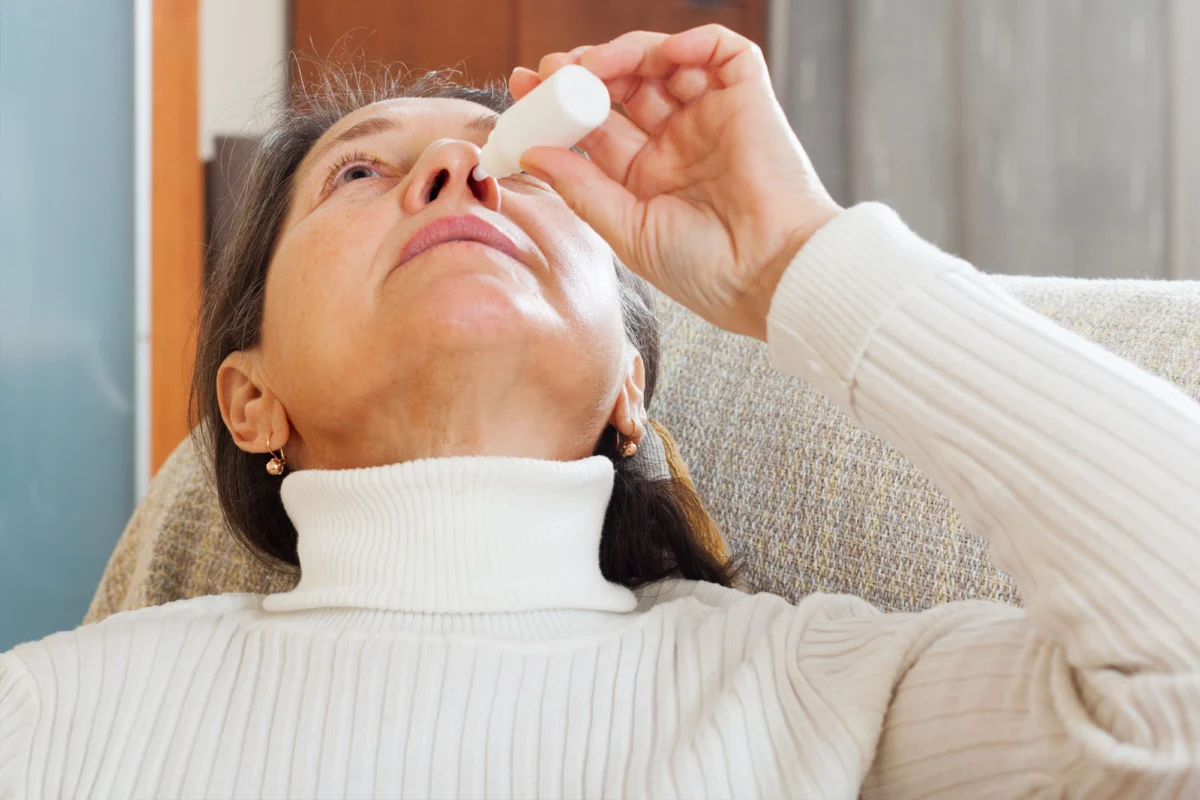
- Administration: A small pinch of calamus root powder is inhaled into each nostril. It is common to experience sneezing during this process; in Ayurveda, this is considered a positive reaction, as it helps to balance Udana Vayu (upward-moving energy) and opens the brain centers for greater clarity.
2. The Ginger-Jaggery Infusion
For sinus congestion and tension-related headaches, the ginger-jaggery nasya provides a more liquid, soothing approach.
Ingredients:
- 1 tsp freshly grated ginger
- 1 tsp jaggery (unrefined cane sugar)
- 1/3 cup water
Preparation:
- Combine the ginger and jaggery in the water.
- Strain the mixture through a piece of cheesecloth, squeezing gently to extract the potent juices.
- Administer 2–3 drops of the fresh, diluted mixture into each nostril.
Note: Users may experience an immediate, intense burning sensation and flushing of the eyes and nose. This is followed by an exhilarating "after-glow" and significant relief from congestion.
Supporting Data and Medical Perspectives
While the clinical application of Nasya is steeped in traditional knowledge, modern research has begun to explore the viability of intranasal drug delivery systems. The "nose-to-brain" pathway, often discussed in pharmaceutical research, mirrors the Ayurvedic understanding of bypassing the blood-brain barrier to deliver therapeutic agents directly to the central nervous system.
However, it is imperative that individuals approach these practices with caution. The nasal mucosa is highly sensitive, and the introduction of any substance—even herbal—can trigger allergic reactions or irritation.
Professional Guidance
Ayurvedic practitioners emphasize that Nasya is not a "one size fits all" therapy. The choice of base oil (usually ghee or sesame oil) and the specific herbs used must be tailored to the individual’s constitution (Prakriti) and their current state of imbalance (Vikriti). Consulting a qualified health professional or a certified Ayurvedic practitioner is essential before initiating any cleansing program, particularly one involving the delicate tissues of the nasal cavity.
Implications for Modern Wellness
In a modern world characterized by chronic stress, sensory overload, and the sedentary nature of winter living, the practice of Nasya offers more than just physical decongestion. It offers a meditative pause—a deliberate act of caring for the "doorway to the consciousness."
By incorporating these traditional techniques, individuals can transition from a state of passive endurance of the winter season to one of active rejuvenation. Whether through the heating properties of Vacha or the clearing effects of ginger, the goal remains the same: to remove the obstacles that prevent us from experiencing mental clarity and vitality.
Conclusion
The wisdom of Ayurveda lies in its ability to translate the complex relationship between nature and the human body into actionable, daily rituals. As we face the cooling temperatures of the year, we are reminded that our internal climate is subject to the same cycles of growth, decay, and renewal as the world outside. Through the practice of Nasya, we acknowledge our role as the stewards of our own consciousness, clearing the way for a more vibrant, balanced, and mindful existence.
Disclaimer: The information provided in this article is for educational purposes only and does not constitute medical advice. Please consult with your primary healthcare provider before attempting any new herbal or cleansing practices.