










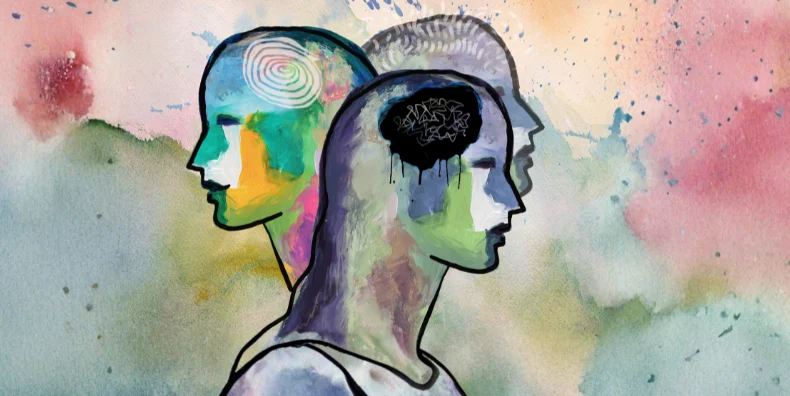
In the complex landscape of mental health, few symptoms are as frequently misunderstood or as socially disruptive as irritability. While everyone experiences moments of impatience or frustration due to daily stressors, for those living with bipolar disorder, a sudden surge in irritability often serves as a "canary in the coal mine." It is rarely just a reaction to a bad day; rather, it is a clinical marker—a "breakthrough symptom" that signals an impending shift into mania, hypomania, depression, or the particularly volatile mixed state.
Recognizing the nuance between ordinary annoyance and bipolar-driven irritability is a vital skill for long-term stability. By understanding the mechanics of these mood shifts, patients and their care teams can implement early intervention strategies to safeguard personal relationships, professional reputations, and overall well-being.
Main Facts: Defining Bipolar Irritability
Irritability in the context of bipolar disorder is defined not by the external cause, but by the internal intensity and persistence of the feeling. Unlike typical frustration, which usually dissipates once a problem is solved, bipolar irritability often feels like a "low-level simmer" that exists independently of external circumstances.
The Spectrum of Irritability
Research indicates that irritability is one of the most versatile symptoms of bipolar disorder, appearing across the entire diagnostic spectrum:
- Mania/Hypomania: Here, irritability often stems from a sense of being overstimulated. The individual’s internal "motor" is running too fast, leading to frustration when the rest of the world—colleagues, traffic, or slow-moving technology—cannot keep up.
- Depression: Contrary to the stereotype of depression as purely lethargic or sad, "agitated depression" is common. In this state, the individual feels emotionally drained but physically restless, leading to a "short fuse."
- Mixed States: Perhaps the most dangerous phase, a mixed state involves symptoms of mania and depression simultaneously. The combination of high energy and a low mood often creates a sharp, corrosive form of irritability that can feel unbearable to the sufferer.
Breakthrough Symptoms
Clinical experts refer to these early signs as "breakthrough symptoms." These are subtle shifts that occur before a full-blown mood episode takes hold. Because irritability often precedes more recognizable symptoms like euphoria or suicidal ideation, it serves as a critical window for preventive action.
Chronology: The Anatomy of a Mood Shift
Understanding how irritability evolves is essential for early detection. A mood shift rarely happens overnight; it follows a predictable, albeit subtle, chronological path.
Phase 1: The Baseline
At baseline, an individual responds to stressors with a normal range of emotion. They can rationalize a traffic jam or a missed deadline.
Phase 2: The "Simmer"
The first sign of a shift is often a change in the "threshold" for annoyance. Things that were previously minor inconveniences begin to feel like personal affronts. Terry, a patient from British Columbia, describes her morning commute as her "early warning system." While she normally handles traffic calmly, she knows a mood shift is approaching when she finds herself yelling at other drivers and questioning their intelligence. This is the "simmer" phase—the irritability is internal and just beginning to boil.
Phase 3: The Convergence of Symptoms
As the irritability intensifies, it rarely travels alone. It begins to cluster with other physiological changes. An individual might notice they are waking up at 3:00 AM with a racing heart, or that they are suddenly more talkative than usual. This is the point where "irritability" begins to transition into "agitation."
Phase 4: The Outburst (The Boil)
If left unmanaged, the internal simmer becomes an external boil. This is the transition from irritability to anger. At this stage, the individual may lose their temper in ways that are uncharacteristic of their personality, leading to conflict at work or at home.
Supporting Data: Clinical Research and Findings
The significance of irritability is backed by extensive peer-reviewed literature. According to research published in The Lancet, irritability is recognized as a core symptom across all types of bipolar shifts. It is often cited as the most frequently misunderstood warning sign because it is so easily dismissed as a personality flaw or a reaction to stress.
Bipolar 2 and the Burden of Hypomania
A comprehensive review in World Psychiatry highlights the specific role of irritability in Bipolar 2 disorder. While Bipolar 1 is characterized by full manic episodes, Bipolar 2 involves hypomania—a less severe but still disruptive "high." For many with Bipolar 2, hypomania does not feel like euphoria; it feels like restlessness and a "short fuse." The study suggests that because hypomanic individuals remain functional, their irritability is often mistaken for a difficult personality rather than a medical symptom.
The Danger of Misdiagnosis
Data also emphasizes the danger of treating irritability without identifying the underlying mood state. For example, if a patient presents with "agitated depression," a clinician might be tempted to prescribe an antidepressant. However, studies show that if that irritability is actually part of a mixed state, antidepressants can worsen agitation and potentially trigger a manic episode. This underscores the need for accurate symptom tracking.
Official Responses: Expert Perspectives on Management
Leading experts in the field emphasize that the key to managing bipolar disorder is "self-mapping"—learning the specific ways your body and mind signal a shift.
The Judd Method: Retrospective Analysis
The late Dr. Lewis Judd, a former vice president of the American Psychiatric Association, advocated for a retrospective approach to irritability. He suggested that patients look back at previous episodes to identify the "first thing they noticed." By identifying these personal red flags—whether it’s yelling at a grocery clerk or feeling physically pained by loud noises—patients can create a "relapse prevention plan."
Communication and Regulation
Dr. Kemal Sagduyu, a psychiatrist based in Kansas, points out that irritability creates a destructive feedback loop. "An irritable mood often disrupts clear communication," Dr. Sagduyu notes. When a patient cannot communicate effectively, they become more frustrated, which in turn heightens the irritability. He emphasizes that the goal of treatment is not just to suppress the mood, but to provide the patient with tools to recognize the "simmer" before the communication breaks down.
Implications: The Social and Professional Cost
The implications of unmanaged bipolar irritability extend far beyond the individual’s internal comfort. It has tangible effects on the structures that support a person’s life.
1. Workplace Harmony
In a professional setting, irritability can be misinterpreted as insubordination, lack of teamwork, or incompetence. Laura G., a professional from Toronto, notes that during her shifts, she moves from being assertive to "pushing ideas on people and not listening." Without an understanding that this is a symptom, such behavior can lead to disciplinary action or job loss.
2. Relationship Strain
Loved ones often bear the brunt of bipolar irritability. Because it feels like a personal attack, it can erode the foundation of trust in a marriage or friendship. Experts suggest that including partners in the "mapping" process is crucial. A partner can often spot the shift before the patient can, acting as an objective mirror for the patient’s behavior.
3. Physical Health
Chronic irritability keeps the nervous system in a state of "fight or flight." This leads to increased cortisol levels, sleep deprivation, and physical exhaustion, which in turn makes the bipolar episode more severe and harder to treat.
Strategies for Intervention
When irritability surfaces, immediate and long-term strategies are required to regain balance.
Acute Coping Mechanisms:
- The HALT Method: Before reacting, check if you are Hungry, Angry, Lonely, or Tired. Addressing these basic needs can often lower the intensity of the irritability.
- Sensory Reduction: If overstimulation is the cause, moving to a dark, quiet room can help reset the nervous system.
- Physical Grounding: Techniques such as deep breathing or holding an ice cube can pull the brain out of a "racing" state and back into the present moment.
When to Seek Professional Help:
A clinician should be consulted immediately if irritability:
- Is accompanied by thoughts of self-harm or aggression toward others.
- Results in a significant decrease in the need for sleep.
- Is causing "unforced errors" in professional or personal life.
- Feels "unnatural" or vastly different from one’s baseline personality.
Conclusion
Irritability is not merely a personality trait or a reaction to a difficult world; in the context of bipolar disorder, it is a sophisticated biological signal. By reframing irritability as a "breakthrough symptom," individuals can move from a state of reactive frustration to proactive management. Through the combination of clinical data, expert guidance, and personal awareness, the "silent alarm" of irritability can become a powerful tool for maintaining long-term stability and reclaiming one’s quality of life.