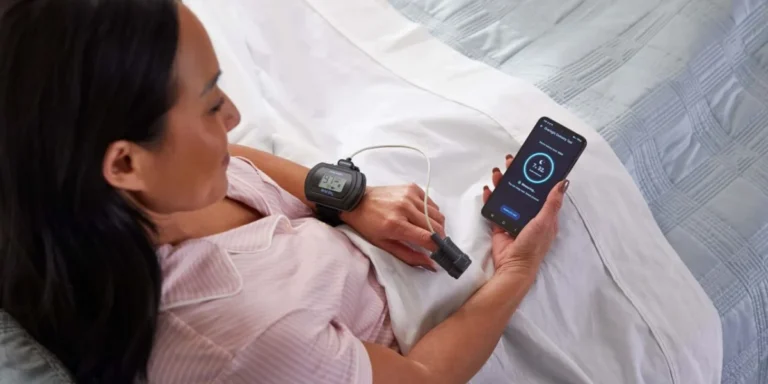











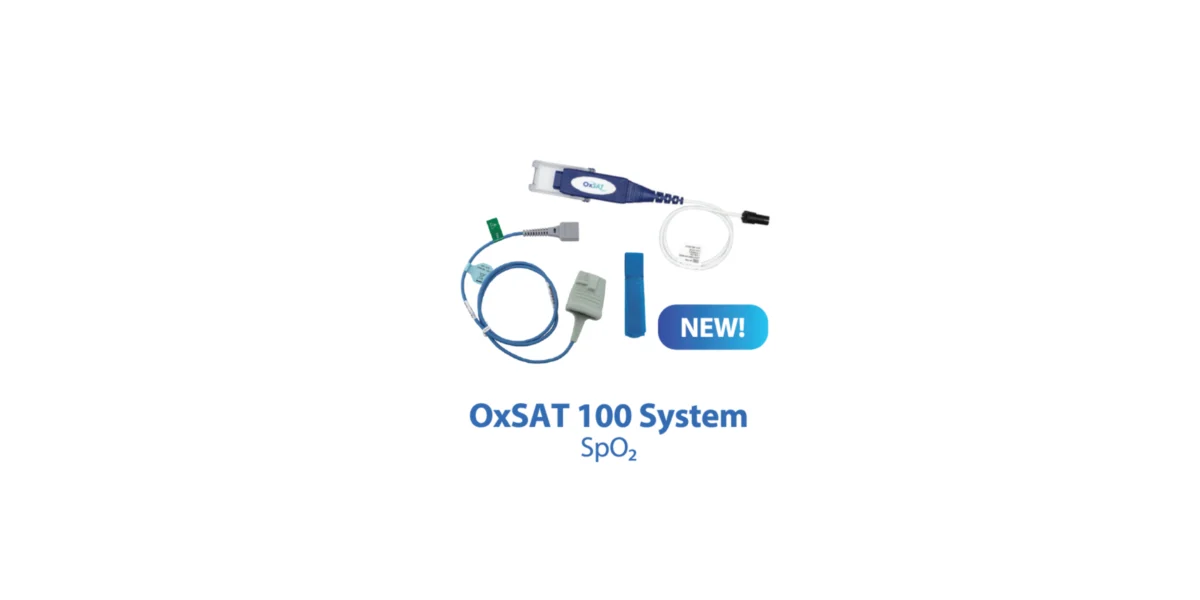
The landscape of sleep diagnostics is undergoing a significant transformation, driven by the need for higher precision, greater patient comfort, and seamless integration with existing clinical infrastructure. In a move aimed at addressing these evolving requirements, SLP Inc. recently announced the launch of the OxSAT 100 System, a versatile, FDA-cleared pulse oximetry solution under the SleepSense brand. This new diagnostic tool is engineered to provide reliable oxygen saturation (SpO2) data, offering clinicians a robust modular approach to patient monitoring.
As sleep medicine continues to shift toward more personalized diagnostic pathways, the introduction of the OxSAT 100 represents a strategic effort to bridge the gap between legacy diagnostic hardware and modern sensor requirements. By offering a range of sensor options—including disposable, reusable, and Y-configuration models—the system aims to minimize clinical friction while maximizing diagnostic accuracy.
Main Facts: The OxSAT 100 at a Glance
The OxSAT 100 Patient Oximeter Module is designed specifically for the rigorous demands of sleep diagnostic testing. Pulse oximetry is a cornerstone of sleep medicine, essential for detecting nocturnal desaturations associated with Obstructive Sleep Apnea (OSA) and other respiratory-related sleep disorders.
The primary features of the OxSAT 100 system include:
- FDA Clearance: The system has successfully cleared the stringent regulatory hurdles set by the U.S. Food and Drug Administration (FDA), ensuring it meets clinical standards for safety and efficacy in diagnostic environments.
- Modular Sensor Compatibility: Unlike one-size-fits-all solutions, the OxSAT 100 supports three distinct sensor configurations, allowing clinics to choose the best fit based on patient sensitivity, hygiene protocols, and cost-efficiency.
- Cross-Platform Integration: Currently, the system is fully compatible with industry-standard devices, specifically the Philips Alice 6 and the ResMed ApneaLink Air. This integration is critical for sleep labs that have invested heavily in these platforms and require reliable, plug-and-play peripheral upgrades.
- Expansion Roadmap: SLP Inc. has already confirmed that development is underway for a version compatible with the Philips Alice NightOne, which is expected to hit the market in the coming months.
Chronology of Development and Market Entry
The development of the OxSAT 100 was not an overnight endeavor; it reflects years of refinement in sensor technology and clinical validation.
Initial Concept and Regulatory Pathway
The journey began with an analysis of common pain points in sleep laboratories: sensor breakage, incompatibility between different diagnostic platforms, and the need for more varied disposable options to reduce cross-contamination risks. SLP Inc. utilized the FDA’s 510(k) pathway to demonstrate that the OxSAT 100 is substantially equivalent to existing predicate devices already in use within the sleep market.
The Launch Phase
The official announcement follows a period of rigorous testing to ensure that the OxSAT 100 signals could be processed accurately by the software interfaces of the Philips and ResMed systems. The focus was on ensuring that the signal-to-noise ratio remained stable, even during periods of patient movement—a perennial challenge in home sleep testing (HST) and in-lab polysomnography.
Upcoming Milestones
While the launch covers the Philips Alice 6 and ResMed ApneaLink Air, the immediate roadmap is focused on the release of the Alice NightOne-compatible version. This timeline is indicative of a broader strategy to become the standard peripheral provider across a fragmented diagnostic hardware market.
Supporting Data: Why Sensor Flexibility Matters
Pulse oximetry relies on photoplethysmography (PPG), where red and infrared light is passed through tissue to determine the percentage of oxygenated hemoglobin in the blood. The accuracy of this measurement is highly dependent on the stability of the sensor placement and the quality of the optical signal.
The OxSAT 100 provides three distinct sensor modalities to address varying clinical scenarios:
1. Disposable Wrap SpO2 Sensors
Designed for single-patient use, these sensors are ideal for high-volume clinical settings where infection control is paramount. By eliminating the need for sterilization between patients, labs can streamline their workflow and reduce the risk of cross-contamination.
2. Reusable Soft Tip SpO2 Sensors
These sensors offer an environmentally sustainable and cost-effective alternative for routine screenings. Constructed from durable, biocompatible materials, the soft tip sensors are designed for patient comfort, which is crucial for ensuring that the patient wears the device for the duration of the sleep study without disruption.
3. Y Sensor System SpO2 Sensors
The Y-sensor is a specialized, versatile tool that can be used on various anatomical sites. This is particularly useful in pediatric sleep diagnostics or in patients with unique physical requirements where traditional finger clips may not provide a stable reading.
By allowing clinicians to interchange these sensors based on the specific needs of the patient, the OxSAT 100 addresses the "patient-specific" aspect of modern healthcare, where comfort often dictates compliance with the study.
Official Perspectives: Commitment to the Clinical Community
The transition of diagnostic equipment from specialized research settings to home-based monitoring has placed a significant burden on the compatibility of peripheral devices. Sarah Paddock, director of sales and marketing at SLP Inc., emphasizes that the company’s primary objective is to support the labs that keep these diagnostics running.
"SLP is proud to introduce the OxSAT 100 System, a new FDA-cleared pulse oximetry solution from SleepSense," Paddock stated in an email communication. "We began with versions compatible with Alice 6 and ApneaLink Air to support the many labs that continue to rely on these systems. SLP will continue to enhance and expand this technology with additional versions for several other sleep diagnostic systems, providing sleep labs with more options to meet their evolving needs."
This statement highlights a key business philosophy: interoperability. In an industry where clinics often have a mix of legacy and modern equipment, the ability to swap in a reliable, modern sensor module without replacing the entire diagnostic suite is a significant financial and operational advantage.
Implications for the Future of Sleep Diagnostics
The release of the OxSAT 100 has several implications for the future of sleep medicine:
Standardizing the Patient Experience
As sleep diagnostics move increasingly into the home, the patient experience becomes the primary driver of data quality. If a patient finds a pulse oximeter uncomfortable or prone to falling off, the resulting data may be incomplete or inaccurate. By offering multiple sensor options, SLP Inc. is acknowledging that a "one-size-fits-all" approach to hardware is insufficient.
Reducing Laboratory Overhead
Sleep labs operate under tight margins, and the cost of replacing proprietary sensors for individual diagnostic systems can be exorbitant. A universal-style module like the OxSAT 100, which can be adapted to multiple platforms, allows labs to consolidate their inventory of consumables, potentially leading to significant cost savings.
Enhancing Data Reliability
The accuracy of an SpO2 reading is only as good as the sensor’s ability to remain in place and maintain optical contact. By optimizing the sensor-to-module interface, the OxSAT 100 aims to reduce the number of "failed" studies caused by signal loss. In the world of sleep diagnostics, where a failed study means an expensive re-test, this reliability is a major value proposition.
The Shift Toward Ecosystem-Based Diagnostics
The inclusion of compatibility for major platforms like Philips and ResMed suggests a future where diagnostic peripherals operate in a "connected care" ecosystem. As the industry moves toward more integrated digital health records and AI-assisted analysis, having high-quality, standardized data input from peripheral modules like the OxSAT 100 becomes increasingly important.
Conclusion: A New Standard for Peripheral Flexibility
The OxSAT 100 System is more than just a new pulse oximeter; it is a manifestation of the shift toward more flexible, patient-centric, and cost-efficient diagnostic medicine. By combining rigorous FDA-cleared standards with a diverse range of sensor options, SLP Inc. has provided a solution that respects both the clinical needs of the physician and the practical requirements of the sleep lab.
As the company continues to roll out compatibility for additional platforms like the Philips Alice NightOne, the OxSAT 100 is positioned to become a fixture in sleep clinics across the country. In a sector where technological obsolescence is a constant threat, the ability to provide a modern, modular, and reliable peripheral solution ensures that labs can continue to provide high-quality care to patients suffering from sleep-disordered breathing.
For clinicians, researchers, and sleep lab administrators, the OxSAT 100 serves as a reminder that the most significant advancements in medicine are often those that improve the fundamental tools of the trade, ensuring that the data used to make life-altering treatment decisions is as accurate and reliable as possible.