






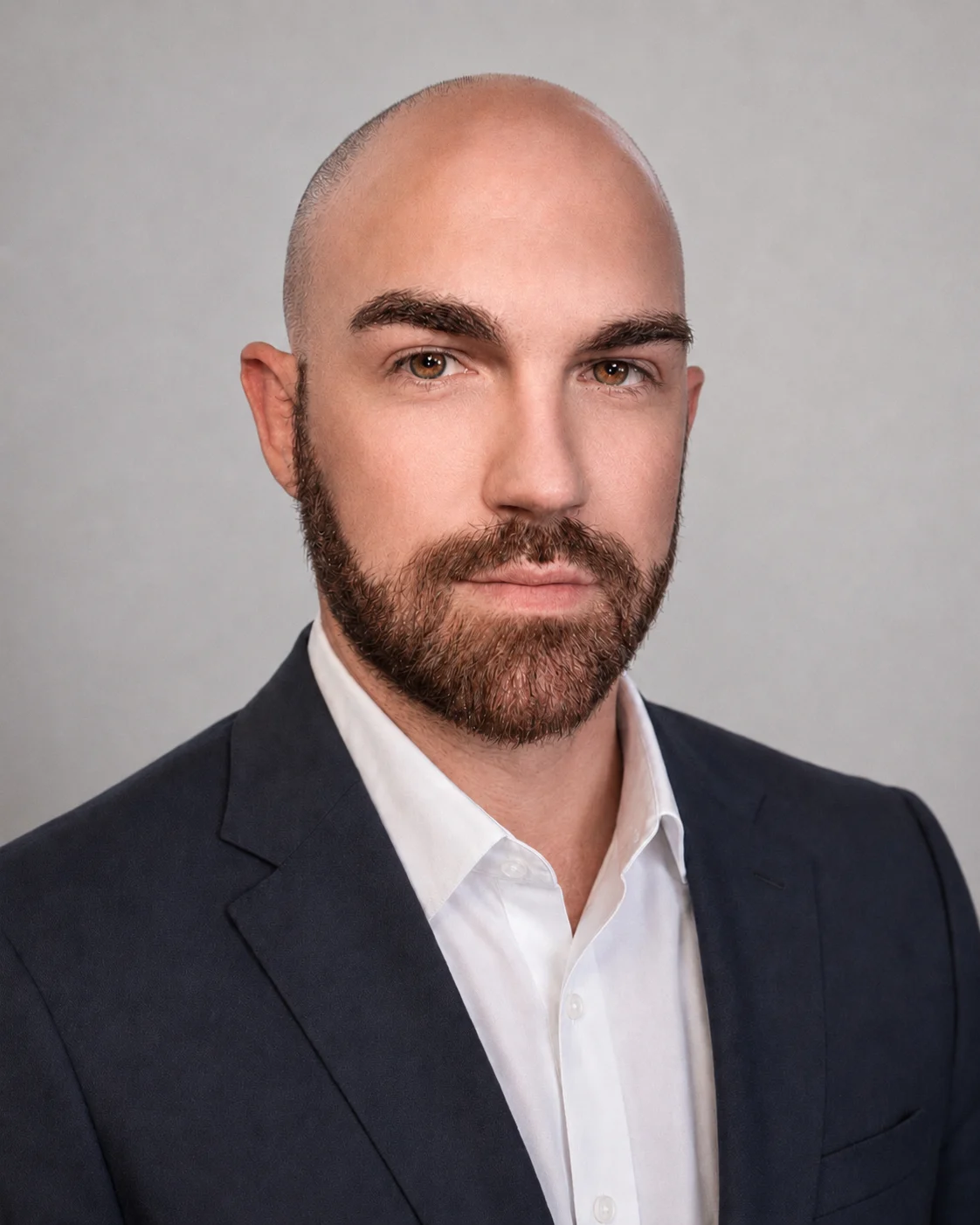
For many respiratory therapists and sleep technicians, the sight of a patient with a full beard entering the fitting room is often met with a reflexive, unspoken sentiment: “Well, this should be interesting.”
While facial hair is a hallmark of personal style and identity, it remains one of the most persistent, confounding variables in the world of positive airway pressure (PAP) therapy. Despite advancements in silicone materials and headgear design, the challenge of maintaining an airtight seal over dense, varied facial hair remains a primary friction point in clinical practice. It is a hurdle that technicians face daily, and one that requires a shift in perspective—moving away from blaming the beard and toward refining the science of the fit.
Main Facts: The Scope of the Challenge
The data confirms what clinicians have long suspected: facial hair is the single most cited obstacle to achieving a successful PAP mask fit. According to a 2026 Peer Pulse survey conducted by Sleep Review, 41% of sleep professionals identified patients with facial hair as the most difficult demographic to fit. By comparison, high-pressure users and patients with complex craniofacial structures trailed behind at 15% each.
Perhaps more significant than the difficulty of the fit is the industry’s response to it. The same survey revealed that 78% of sleep professionals are actively calling for manufacturers to develop specialized, beard-friendly solutions. This indicates a clear gap between current hardware capabilities and the anatomical reality of the modern patient population. However, expert practitioners like Tyler Decker argue that the beard is often used as a scapegoat for broader, more addressable fitting failures. The beard is a variable to be managed, not a verdict of treatment failure.
Chronology of a Fitting: From Assessment to Application
A successful fitting process is not a linear march toward the first mask that looks "mostly right." It is an iterative, diagnostic process that must follow a specific, logical sequence:
- Initial Assessment (The Pre-Fit): Before a mask is selected, the clinician must assess the specific distribution of the facial hair. A mustache presents a fundamentally different challenge than a thick, unkempt chin beard.
- The "Dry" Evaluation: The technician evaluates the face in its natural state—clean and dry. By avoiding lotions or oils, the technician can see exactly where the cushion will interact with hair versus skin.
- Active Pressure Testing: Once the mask is placed, the machine must be activated to a pressure representative of the patient’s actual therapy settings.
- Dynamic Simulation: The patient must move. A mask that seals while the patient is sitting upright in a sterile clinic environment is not guaranteed to hold when the patient is lying on their side, with a pillow pressing against the side of the head, and the jaw relaxed in sleep.
- Refinement and Substitution: If a seal fails, the technician must diagnose why. If the leak is located precisely where the cushion crosses the densest part of the beard, the geometry of the mask—not the patient’s facial hair—is the variable that needs to change.
Supporting Data: The Physics of the Seal
The struggle to maintain a seal over hair is backed by emerging scientific inquiry. A 2025 systematic review of 21 studies, while not exclusively focused on CPAP, underscored that facial hair significantly degrades the performance of close-fitting respiratory interfaces. Factors such as hair length, density, and follicle thickness play critical roles in the integrity of the seal.
While we lack a "universal chart" that dictates which mask suits a specific beard length, the clinical directive is clear: the sealing path matters. A nasal interface, for instance, naturally avoids the jawline entirely. For patients who can breathe through their nose, a nasal pillow or cradle system can bypass the beard’s densest regions, turning a "hard-to-fit" case into a simple, effective solution.
However, as the American Thoracic Society (ATS) noted in its 2020 workshop report, clinicians must balance this preference for nasal interfaces against the patient’s actual ability to tolerate them. If a patient is a mouth-breather or struggles with mouth leaks, forcing a nasal mask is a recipe for non-adherence. In these instances, the clinician must pivot to full-face masks, prioritizing those with cushion geometries that minimize contact with the densest hair zones.

Official Perspectives and Industry Evolution
The medical community is increasingly acknowledging that the "one-size-fits-all" approach to mask manufacturing is nearing its end. Health Canada’s recent licensing of custom-fit, 3D-printed CPAP interfaces (such as the FormFit system) represents a significant shift. By using facial mapping technology, these devices move away from the traditional, mass-produced silicone shapes that struggle to navigate the topography of a beard.
Despite these innovations, the industry is not yet at a point where a custom mask is the default. Consequently, the burden remains on the technician to be an expert in "geometry management." This involves having the patience to try multiple interfaces. If a mask requires excessive tension—to the point of causing pressure sores or deep skin indentations—it is not a good fit; it is a failure of geometry.
Implications for Patient Compliance and Long-Term Success
The overarching goal of CPAP therapy is, ultimately, the health of the patient, not the perfection of the data report. The implications of poorly fitting masks—regardless of whether a beard is involved—are profound. Unintentional air leakage is one of the leading causes of patient frustration, skin breakdown, and, ultimately, the abandonment of therapy.
However, a "less-than-perfect" leak report does not always necessitate a change in equipment. If the patient is sleeping soundly, the bed partner is not disturbed by noise, and the therapy is effectively treating the obstructive sleep apnea, the clinician must exercise judgment. Is the goal to "win the war" against the beard to make the graph look cleaner, or is the goal to facilitate a comfortable night’s sleep?
As noted in the 2017 CHEST systematic review, the psychological and physical comfort of the patient is paramount to long-term success. If the patient is satisfied with their interface and their clinical outcomes are met, the presence of a minor, manageable leak is a secondary concern.
Moving Forward: A Philosophy of Adaptation
To address the "hairy" challenge, the sleep profession must adopt a more flexible, patient-centric philosophy.
- Stop the Overtightening Cycle: When a mask leaks, the immediate, human reaction is to pull the straps tighter. This is rarely the answer. Tightening the straps creates structural pressure points that can actually deform the cushion and create more leaks.
- Fit the Face, Not the Stereotype: A patient’s decision to keep their beard is their own. The role of the clinician is to provide the technology that works with that choice. If the first three masks fail, the problem is not the patient’s facial hair; the problem is that the technician hasn’t found the right geometry yet.
- Embrace New Tech: As 3D printing and personalized interfaces become more accessible, clinicians should be the first to embrace these tools. We are moving toward a future where a patient’s unique facial landscape is the blueprint for the equipment, rather than an obstacle to it.
In conclusion, while facial hair remains a formidable challenge in the fitting room, it is not an insurmountable one. By prioritizing anatomical assessment, resisting the urge to over-tighten, and keeping an open mind about mask geometry, clinicians can ensure that patients with facial hair receive the same high standard of care as anyone else. The beard does not have to be the reason for failed therapy. With the right approach, the beard can stay, and the life-saving benefits of CPAP therapy can persist.
References
- Roy S. The CPAP mask feature with greatest positive impact. Sleep Review. 2026 Jul 9.
- Connolly D, Sheppard-Hickey R, Powell D, Lupa H. Sealing properties of close-fitting masks worn over facial hair. Aerosp Med Hum Perform. 2025 Dec;96(12):1069-78.
- Genta PR, Kaminska M, Edwards BA, et al. The importance of mask selection on continuous positive airway pressure outcomes for obstructive sleep apnea. An official American Thoracic Society workshop report. Ann Am Thorac Soc. 2020 Oct;17(10):1177-85.
- Medical Devices Active Licence Listing. Health Canada. Licence No. 115158: FormFit custom-fit CPAP mask. Device class 2. 2026 Apr 7.
- Lebret M, Martinot JB, Arnol N, et al. Factors contributing to unintentional leak during CPAP treatment: A systematic review. Chest. 2017 Mar;151(3):707-19.