Obsessive-Compulsive Disorder (OCD) is a complex, often misunderstood psychiatric condition that affects millions of individuals worldwide. Far beyond the common cultural trope of being a "neat freak" or having a quirk for organization, OCD is a debilitating mental health struggle characterized by intrusive, unwanted thoughts and a compulsive need to perform specific rituals. These behaviors are not mere habits; they are survival mechanisms—often irrational—designed to stave off overwhelming anxiety.
For those living with the disorder, the cycle of obsessions and compulsions can consume hours of their day, severely impeding their ability to function in professional, academic, and personal settings. Understanding the nuance between temporary anxiety and a formal diagnosis is the first step toward effective management.
The Core Mechanisms of OCD: Obsessions and Compulsions
At its clinical heart, OCD is a loop of neurological distress. It is typically divided into two primary categories: obsessions and compulsions.
Defining Obsessions
Obsessions are intrusive, distressing thoughts, urges, or images that recur involuntarily. Clinicians describe these as "ego-dystonic," meaning they are inconsistent with the individual’s true values or self-image. A person may experience a terrifying thought about harming a loved one or a persistent, irrational fear of contamination, even while knowing these thoughts are illogical. Because they feel entirely out of control, these obsessions generate intense psychological friction.
Defining Compulsions
Compulsions are the reactive behaviors or mental acts performed to neutralize the anxiety generated by the obsession. A person might engage in repetitive hand-washing, ritualized checking of locks, or silent mental counting. The goal is to "undo" or prevent the dreaded outcome associated with the obsession. However, this relief is temporary, creating a cycle that reinforces the disorder’s grip on the sufferer.
Chronology: From Childhood Onset to Adult Diagnosis
The developmental trajectory of OCD is highly variable, though research has identified clear patterns.
- Early Childhood: Roughly one-third of adults who struggle with OCD report that their symptoms manifested during childhood. Symptoms in children often appear as rigid adherence to rules or distress regarding symmetry.
- Late Adolescence: While symptoms can appear at any age, the average age of onset is typically around 19. This is a critical transition period where academic pressure and increased social responsibilities often exacerbate the intensity of the disorder.
- The Lifespan Perspective: OCD is rarely static. Symptoms tend to fluctuate in severity, often spiking during periods of high stress, life transitions, or trauma. A person may experience a dormant period for years, only to see a resurgence during a period of professional burnout or personal loss.
Supporting Data and Prevalence
Data from the American mental health sector indicates that over 3 million Americans grapple with OCD annually. Unlike many other psychiatric conditions, OCD does not display a significant gender bias; it affects men and women with roughly equal frequency.

The diagnostic threshold is significant. To be diagnosed, an individual must exhibit obsessions, compulsions, or both, and these symptoms must consume a significant portion of their time—generally defined as at least one hour per day. Furthermore, the individual must possess at least a partial insight into the fact that their behaviors are unreasonable or excessive, which is often the source of the immense shame associated with the condition.
The Mystery of Causation
Despite extensive neurobiological research, a singular, "smoking gun" cause for OCD remains elusive. Experts, including Dr. Brian P. Brennan of Harvard Medical School, point toward a multifactorial etiology. Potential contributors include:
- Genetic Predisposition: Studies suggest that OCD often runs in families, pointing to a potential hereditary component in neurological wiring.
- Brain Structure and Chemistry: Neuroimaging studies have identified abnormalities in the communication between the prefrontal cortex and the deeper structures of the brain, such as the basal ganglia, which govern habitual behavior.
- Environmental Triggers: Severe stress, trauma, or significant life changes can act as catalysts, "turning on" the disorder in individuals who may have a biological predisposition.
- Neurochemical Mediators: Disruptions in serotonin, dopamine, and glutamate signaling are currently under investigation as primary drivers of the intrusive thought patterns associated with the disorder.
Official Clinical Perspectives and Treatment Modalities
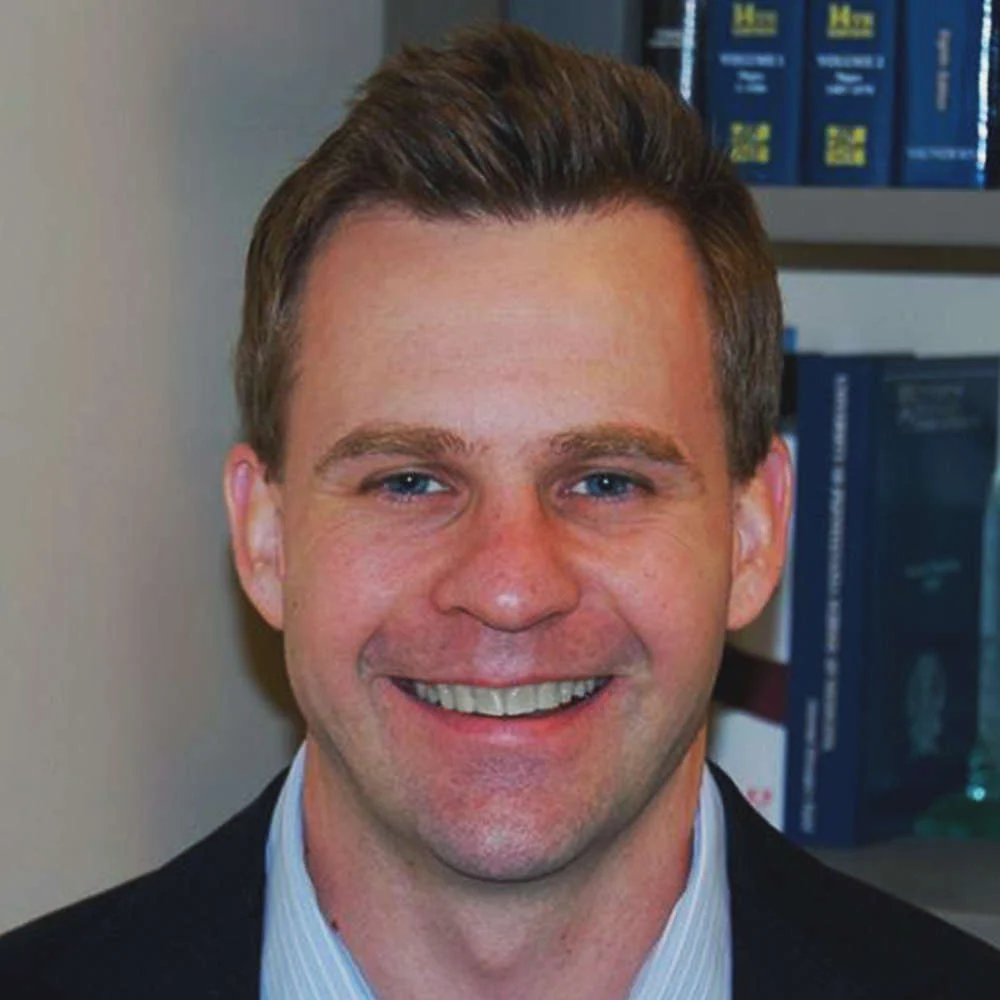
According to leading researchers like Dr. Brian P. Brennan—the Director of Medical Research at the Obsessive-Compulsive Disorder Institute—the most effective path forward is a multi-modal approach. Relying solely on medication is rarely sufficient to address the root causes of the disorder.
The Gold Standard: Cognitive Behavioral Therapy (CBT)
CBT remains the primary psychotherapeutic intervention. It works by mapping the connection between the patient’s thoughts, emotions, and subsequent behaviors. By challenging the catastrophic nature of the obsessive thoughts, therapists help patients decouple the thought from the ritualistic action.
A sub-methodology known as Exposure and Response Prevention (ERP) is widely considered the gold standard in behavioral therapy. In ERP, patients are intentionally exposed to the triggers of their anxiety while being guided to resist the urge to perform the associated compulsion. For instance, a patient obsessed with germ contamination may be asked to touch a "dirty" surface and wait through the subsequent anxiety without washing their hands. Over time, this process desensitizes the brain to the trigger, effectively "rewiring" the response.
Pharmacological Interventions
Medication is often used to lower the baseline of anxiety and intrusive thoughts, making the patient more receptive to therapy.
- Selective Serotonin Reuptake Inhibitors (SSRIs): These are the most commonly prescribed antidepressants for OCD. They work by increasing the levels of serotonin in the brain, which helps regulate mood and obsessive impulses.
- Risks and Benefits: It is imperative for patients to work closely with a psychiatrist to monitor side effects. Because different medications carry varying risk profiles, a "trial and error" approach is often necessary to find the optimal balance for each individual’s neurochemistry.
The Broader Implications for Mental Health
The existence of OCD highlights the necessity of destigmatizing mental health. Because the symptoms are often bizarre or socially isolating, many sufferers remain undiagnosed for years, suffering in silence.

The implications for society are profound. When left untreated, the productivity loss and the erosion of quality of life for the individual are immense. However, the prognosis for those who seek professional help is encouraging. With the integration of neuroimaging, refined pharmacological targets, and robust behavioral therapies, many individuals successfully manage their symptoms and lead fulfilling lives.
A Call to Action for the Suffering
If you or a loved one are experiencing symptoms that mirror those of OCD, the most important step is consultation with a medical professional. The barrier to entry for treatment—the shame and the fear of being "crazy"—is the greatest obstacle to recovery.
Modern medicine provides a clear roadmap for treatment:
- Professional Assessment: Confirming the diagnosis to rule out other anxiety or mood disorders.
- Holistic Integration: Combining medication with evidence-based therapies like CBT or mindfulness training.
- Ongoing Maintenance: Understanding that OCD is a chronic condition that requires consistent management, similar to managing hypertension or diabetes.
By moving beyond the myths and focusing on the biological and psychological realities of the disorder, we can foster an environment where patients feel empowered to seek the help they need. The cycle of obsessions and compulsions can be broken, and through patience, science, and the right support system, a path to peace is entirely possible.
Disclaimer: This article is for informational purposes only and does not constitute medical advice. If you suspect you have OCD, please consult with a qualified psychiatrist or licensed clinical psychologist to discuss the risks and benefits of potential treatment plans tailored to your specific needs.