









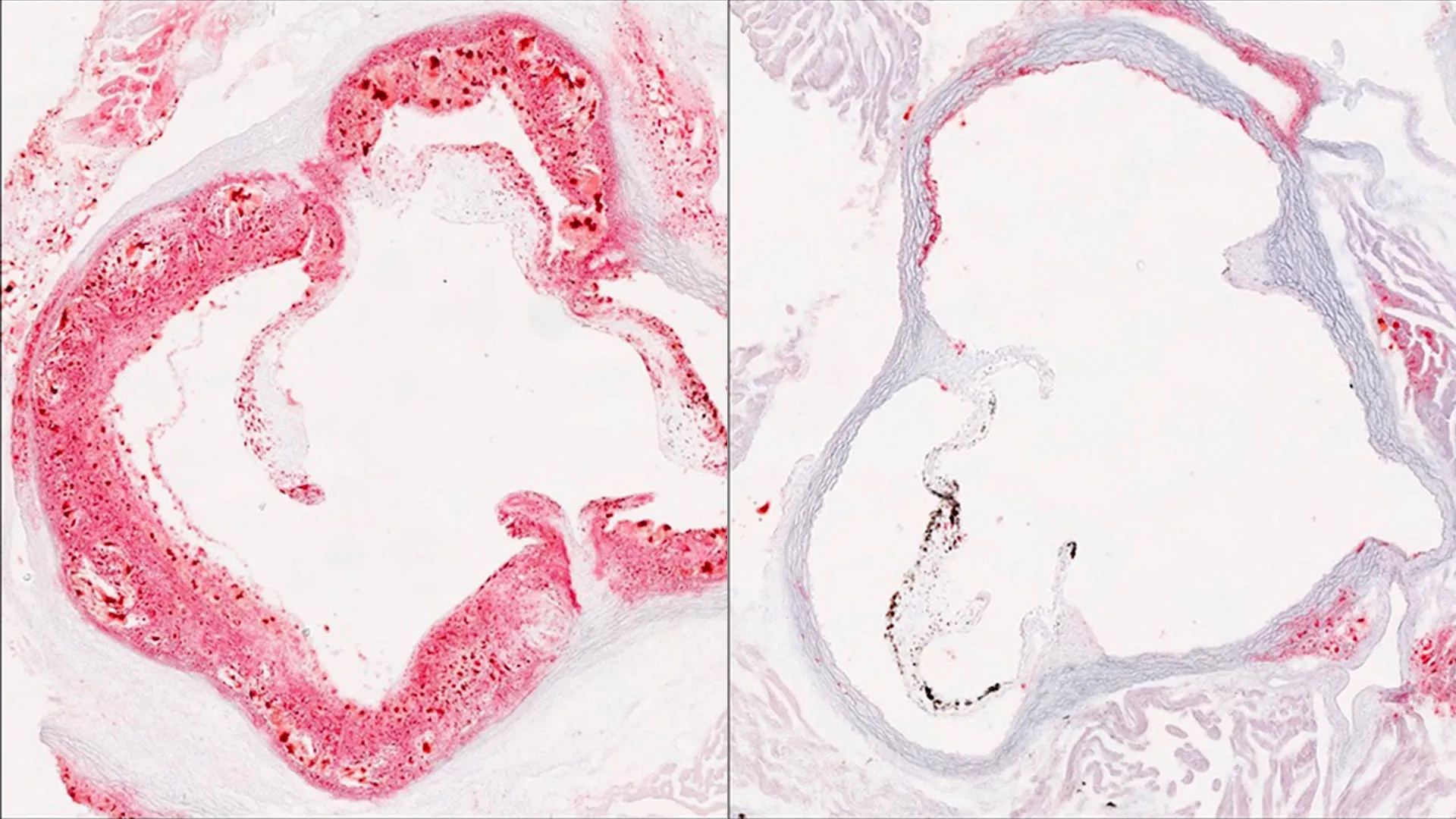
In a significant advancement for cardiovascular and metabolic science, researchers at UT Southwestern Medical Center have identified a critical protein that acts as a master regulator for cholesterol transport. The protein, known as HELZ2, governs the liver’s release of cholesterol-carrying particles into the bloodstream, a discovery that could fundamentally alter the landscape of how clinicians treat heart disease and non-alcoholic fatty liver disease (NAFLD).
The findings, published in the prestigious journal Circulation, describe a sophisticated molecular mechanism that controls the production of apolipoprotein B (apoB). By manipulating this process at the genetic instruction stage, scientists believe they have identified a new "molecular lever" that could provide an alternative or supplemental approach to current cholesterol-lowering therapies like statins.
Main Facts: A New Frontier in Lipid Metabolism
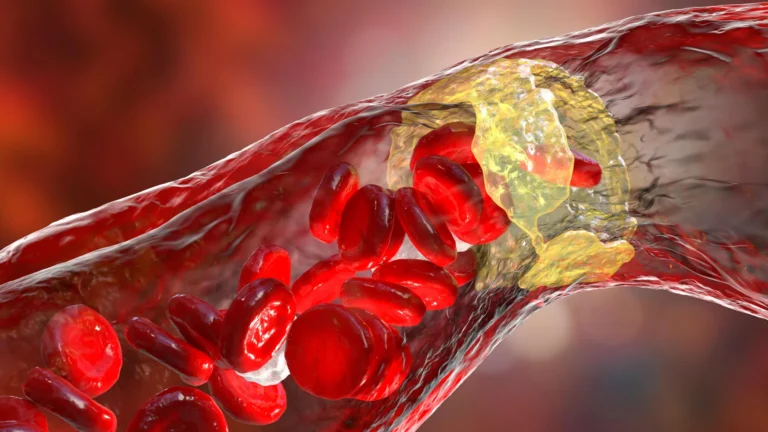
At the heart of the discovery is the protein HELZ2. To understand its importance, one must first understand the role of lipoproteins. Lipoproteins—the particles responsible for ferrying cholesterol and fats throughout the body—are formed from apoB proteins. These particles are the primary culprits behind atherosclerosis, the buildup of plaque in the arteries that leads to heart attacks and strokes.
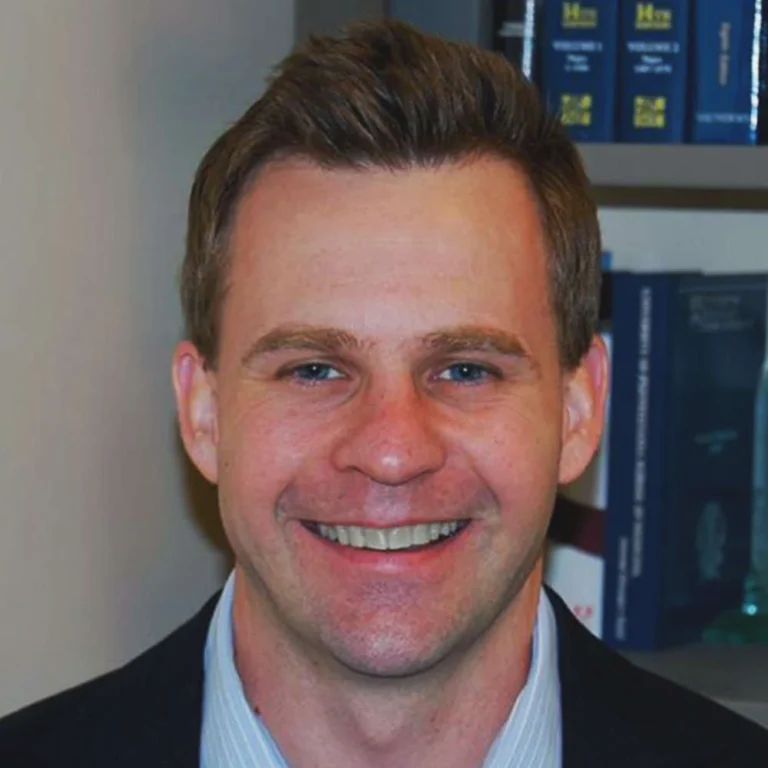
The research team, led by Dr. Zhao Zhang, discovered that HELZ2 acts as a gatekeeper. Rather than targeting the finished protein, HELZ2 operates upstream, influencing the messenger RNA (mRNA) that carries the genetic instructions for producing apoB. By destabilizing these instructions, HELZ2 effectively "short-circuits" the production line before the protein is even manufactured.
This discovery is particularly compelling because it shifts the focus of lipid regulation from downstream protein inhibition—which is how most current drugs function—to a proactive, genetic-instruction level of control.
Chronology: From Genetic Screening to Molecular Breakthrough
The journey to this discovery began with the application of high-throughput genetic screening, a hallmark of the research environment at UT Southwestern. The methodology was pioneered by Nobel laureate Dr. Bruce Beutler, whose Center for the Genetics of Host Defense has long been at the forefront of identifying the molecular foundations of human health and disease.
Phase 1: The Unexpected Mutation
The research team initially observed unusual fat accumulation in the livers of laboratory mice. Through large-scale genetic screening, they isolated a specific gain-of-function mutation. This mutation caused the mice to produce an overabundance of HELZ2. Upon closer inspection, the researchers noted that while the mice had significantly lower levels of LDL (low-density lipoprotein) cholesterol and triglycerides circulating in their blood, their livers were disproportionately fatty.
Phase 2: Decoding the Mechanism
Once the mutation was identified, the researchers set out to determine how HELZ2 was exerting such a profound effect on lipid levels. They discovered that HELZ2 binds to the APOB mRNA, causing it to degrade rapidly. In the absence of stable mRNA, the liver cell cannot produce the apoB protein. Consequently, the liver fails to package cholesterol and fats into lipoproteins, leaving them trapped within the liver rather than entering the bloodstream.
Phase 3: Validation and Peer Review
Following the initial findings in mice, the team conducted a series of molecular assays to confirm that this pathway exists and functions in human cellular models. The subsequent publication in Circulation solidified the findings, marking a pivotal moment in the understanding of liver-bloodstream lipid flux.
Supporting Data: The Biological Balancing Act
The data from the UT Southwestern study illustrates a classic physiological trade-off. The mice carrying the HELZ2 mutation served as a living laboratory for the "cholesterol dial."
- Blood Chemistry: Mutant mice showed a marked decrease in circulating LDL and triglycerides. This reduction provided clear protection against the development of atherosclerosis, offering a potential blueprint for preventing heart disease.
- Liver Morphology: Conversely, the same mice exhibited increased hepatic steatosis (fatty liver). This confirmed that HELZ2 does not simply eliminate fat or cholesterol; it redistributes it.
- The mRNA Half-life: Quantitatively, the researchers found that increased HELZ2 activity significantly shortened the half-life of APOB mRNA. This quantitative data proved that the protein’s regulatory power is derived from its ability to govern the duration of the genetic message.
These findings suggest that HELZ2 is not merely a biological curiosity but a fundamental rheostat for human lipid metabolism. By understanding this balance, researchers can now explore how to "tune" the dial to prevent heart disease without causing secondary complications in the liver.
Official Responses: Insights from the Research Team
The lead researchers emphasize that this study represents a paradigm shift in cardiovascular medicine.
"These particles are a major driver of plaque buildup in the arteries," said senior author Zhao Zhang, Ph.D., Assistant Professor in UT Southwestern’s Center for the Genetics of Host Defense and of Internal Medicine. "What we found is that HELZ2 acts as a powerful control point for how many cholesterol-carrying particles ultimately enter the bloodstream."
Dr. Zhang’s team was surprised by the specificity of the timing. "Most previous research focused on what happens to apoB after it’s already made," noted Yiao Jiang, Ph.D., a postdoctoral researcher and co-author. "What surprised us is that HELZ2 acts much earlier, by controlling how long the apoB ‘message’ survives before the protein is even produced."
The implications of this timing are significant for drug development. Targeting a protein at the mRNA level offers a level of precision that traditional pharmacology has struggled to achieve. Dr. Zhang added, "The idea that we can control apoB at the RNA level represents a major shift in how we think about cholesterol regulation. It gives us a new molecular lever—and potentially a new set of tools—for tackling these conditions."
Implications: The Future of Cholesterol Management
The clinical implications of the HELZ2 discovery are vast, particularly for patients who are resistant to or unable to tolerate current cholesterol-lowering medications.
A Potential Alternative to Statins
Statins, which work by inhibiting the enzyme HMG-CoA reductase, have been the gold standard for decades. However, many patients experience side effects, and some simply do not respond to statin therapy. HELZ2 offers a completely different mechanism of action. By targeting the production of apoB, scientists may be able to develop therapies that lower LDL cholesterol through an entirely independent pathway, potentially providing a "Plan B" for high-risk patients.
Treating Fatty Liver Disease
While the study highlights the risk of increased liver fat, it also opens doors for treating fatty liver disease. If scientists can determine how to modulate HELZ2—perhaps by turning it down in specific contexts—they may be able to facilitate the release of excess fat from the liver, effectively treating NAFLD. The challenge, and the future opportunity, lies in finding the "Goldilocks zone" where blood cholesterol is lowered without triggering excessive liver fat accumulation.
Precision Medicine
The use of genetic screening to identify these targets is indicative of the future of precision medicine. By identifying the exact genetic regulators of metabolism, researchers are moving toward a time when cholesterol management can be tailored to an individual’s specific genetic profile.
As the medical community looks toward the next generation of cardiovascular treatments, the discovery of HELZ2 provides a necessary and exciting new path. It reminds us that our bodies are managed by complex, elegant systems of checks and balances—and that by understanding these systems, we can gain control over some of the most persistent threats to human health.
Acknowledgments: Dr. Bruce Beutler, a Regental Professor, shared the 2011 Nobel Prize in Physiology or Medicine for his groundbreaking work on immune cell receptors. He holds the Raymond and Ellen Willie Distinguished Chair in Cancer Research and is a member of the Harold C. Simmons Comprehensive Cancer Center. This research was made possible through funding from the National Institute of Diabetes and Digestive and Kidney Diseases (NIDDK) of the National Institutes of Health (Grants R00DK115766 and R01DK130959).