







Melbourne, FL – July 20, 2026 – Kalogon, a recognized innovator in advanced seating solutions, today announced the official launch of Verro, a groundbreaking line of Medicare-coded custom wheelchair cushions. Designed specifically for individuals with the most complex postural support needs, Verro introduces a pioneering approach to personalized comfort and stability through its dual-model offering: the Verro variable-density lattice and the Verro dual-density foam. This strategic expansion aims to bridge a critical gap in the complex rehabilitation technology (CRT) market, providing truly individualized support for users often underserved by conventional seating options.
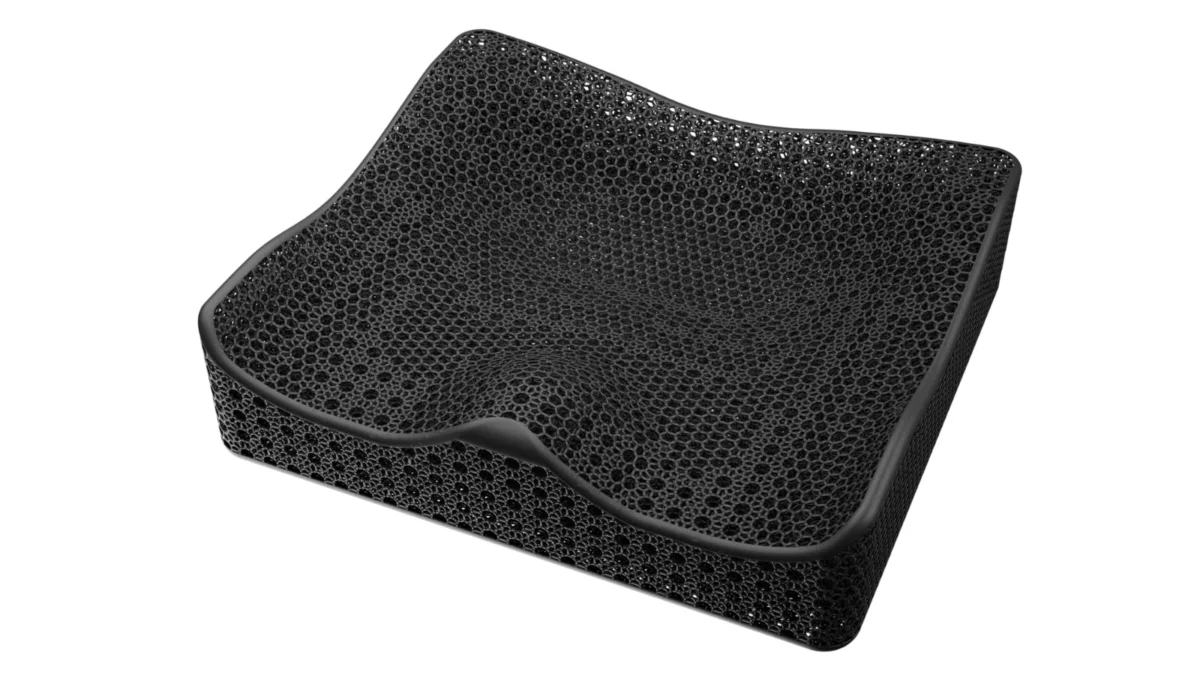
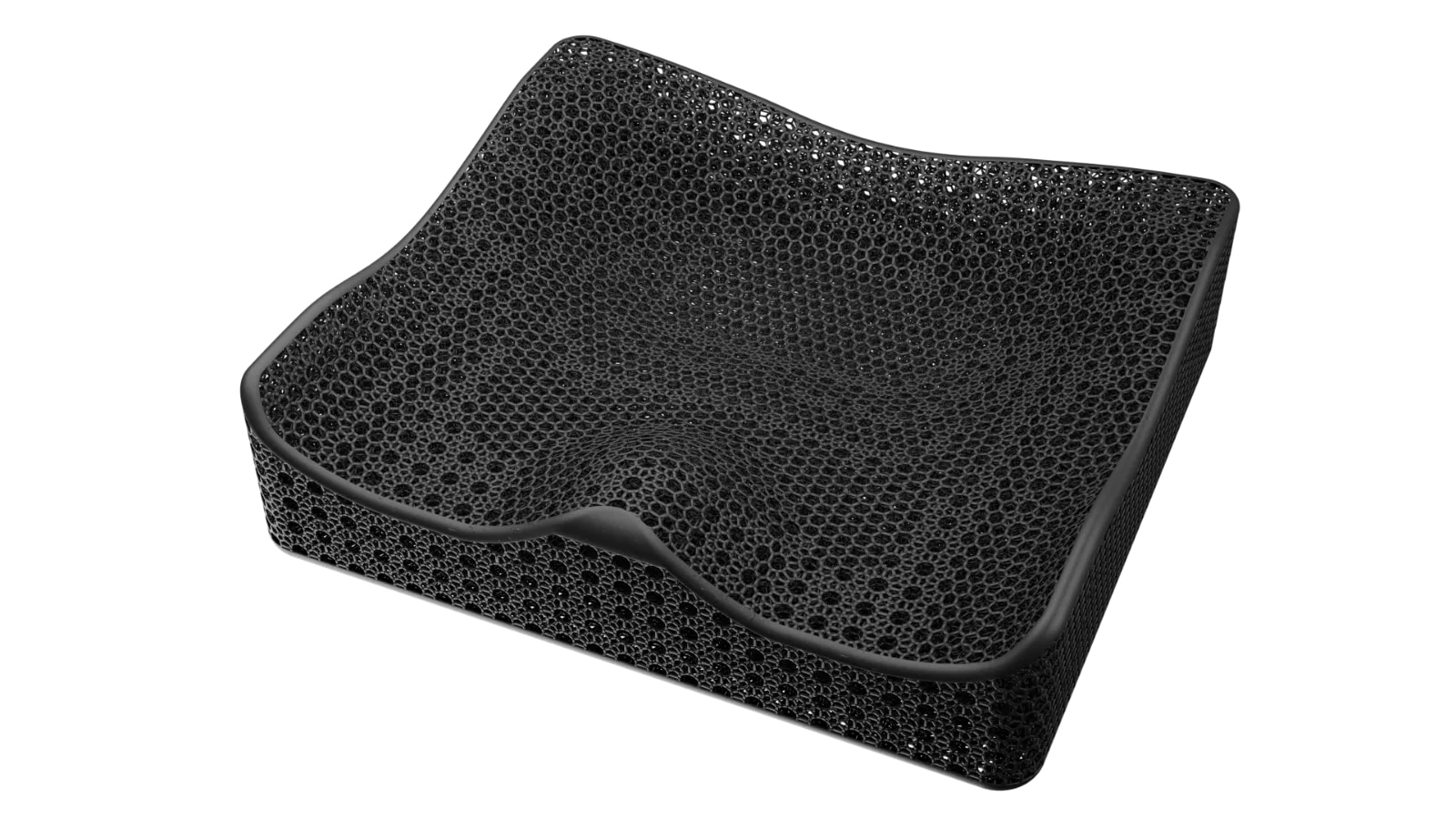
At the heart of the Verro line is Kalogon’s patent-pending variable-density lattice technology, an innovative 3D-printed elastomer construction that represents a significant leap forward in custom cushioning. This technology allows for unprecedented precision, enabling the cushion’s firmness to be meticulously varied across its surface – strategically firmer where the body requires robust support to maintain proper alignment, and softer where pressure diffusion is paramount to prevent discomfort and reduce the risk of pressure injuries. Complementing this advanced lattice model, the Verro dual-density foam option offers exceptional adaptability, featuring a dense foam base for foundational support crowned with a soft foam topper, catering to users who may benefit from in-field modifications or are transitioning to contoured seating.
The introduction of Verro signifies a pivotal moment for wheelchair users grappling with challenging conditions such as windswept posture, pelvic obliquity, or severe asymmetry. These complex presentations demand a body-conforming fit that standard, off-the-shelf cushions simply cannot provide. By leveraging cutting-edge manufacturing techniques and a deep understanding of biomechanical principles, Kalogon is setting a new benchmark for what is achievable in personalized postural support, ensuring that even the most complex cases receive the precise, tailored attention they require for optimal health and quality of life.
A New Era of Personalized Seating: The Genesis of Verro
Kalogon’s journey into the forefront of seating innovation has been marked by a steadfast commitment to addressing unmet needs within the rehabilitation community. With a history rooted in developing "smart seating solutions," the company has consistently pushed the boundaries of what assistive technology can achieve, focusing on intelligent design and user-centric functionality. The launch of Verro is not merely an addition to their product portfolio; it represents the culmination of extensive research, development, and a direct response to persistent challenges faced by clinicians and patients alike.
Kalogon’s Journey in Smart Seating
Since its inception, Kalogon has been synonymous with forward-thinking solutions in the realm of complex rehab technology. Their earlier endeavors, such as the Orbiter Med, demonstrated an early aptitude for integrating technology to enhance user experience and therapeutic outcomes. This foundational experience in dynamic pressure management and smart material application laid the groundwork for the ambitious undertaking of the Verro project. The company’s philosophy has always revolved around leveraging advanced engineering to create products that not only provide comfort but also actively contribute to the health and well-being of individuals reliant on mobility aids. This progressive outlook has positioned Kalogon as a credible and innovative player, continually seeking to redefine industry standards.
Identifying the Unmet Need
The impetus behind Verro emerged from a critical observation shared by numerous clinicians: a significant cohort of their most complex patients were, in essence, "falling through the cracks." Traditional custom cushions, while an improvement over standard options, often struggled to deliver the granular level of support and pressure relief required for severe postural deviations or significant asymmetries. Manufacturing limitations of conventional materials and techniques meant that achieving truly localized, variable support was either impossible or prohibitively expensive and time-consuming. Patients with conditions like windswept deformities, where the pelvis and lower extremities are rotated and deviated, or those with significant pelvic obliquity, leading to uneven weight distribution and high-pressure points, found their options severely limited. The lack of precision often resulted in compromises on comfort, stability, and, critically, an increased risk of complications such as pressure injuries and progressive postural deterioration. Kalogon recognized this systemic gap and committed its resources to developing a solution that could address these intricate challenges with unparalleled accuracy.
Innovation at the Core: The Development Process
The development of Verro was an intensive, multi-disciplinary undertaking, blending biomechanical engineering with advanced materials science and cutting-edge manufacturing. The core challenge was to move beyond the limitations of traditional foam carving or gel inserts, which offer limited control over localized firmness and shape. Kalogon’s engineers turned to additive manufacturing – specifically 3D printing – as the most viable pathway to achieve the required precision.
The journey involved experimenting with various elastomer compositions, refining print parameters, and developing proprietary software algorithms to translate complex body scans and clinical specifications into a tangible, multi-density lattice structure. This iterative process of design, simulation, printing, and testing allowed Kalogon to fine-tune the variable-density lattice technology. They focused on creating micro-structures within the lattice that could be dynamically adjusted in real-time during the printing process, allowing for infinite variations in support and pressure distribution across the cushion’s surface. This marked a departure from conventional manufacturing, where material properties are largely uniform or modified only through lamination or cutting. The result was a patent-pending technology capable of creating subtle yet profound variations in firmness, precisely conforming to the unique contours and needs of each individual’s body. The Verro Foam model also underwent rigorous development, ensuring that while it offered adaptability, it did not compromise on the foundational support necessary for complex cases, providing a versatile alternative for different clinical preferences.
Strategic Expansion
The launch of Verro represents a deliberate and significant strategic expansion for Kalogon. Previously known for its "smart" dynamic solutions, Verro broadens the company’s offering to encompass static, yet hyper-customized, seating. This move allows Kalogon to cater to a much wider spectrum of complex seating needs, acknowledging that while some clients benefit from dynamic adjustments, others require absolute, precise static support that can be meticulously tailored. By offering both the advanced lattice and adaptable foam constructions, Kalogon provides clinicians with a more comprehensive toolkit, enabling them to select the optimal solution based on a client’s specific pathology, lifestyle, and clinical goals. This strategic diversification not only strengthens Kalogon’s market position but also underscores its commitment to inclusive innovation, ensuring that more individuals with significant postural challenges can access state-of-the-art seating technology.
Under the Hood: Deconstructing Verro’s Advanced Technology
The Verro line of custom wheelchair cushions stands out in the complex rehab technology market due to its sophisticated engineering and user-centric design. Each component and feature has been meticulously developed to deliver unparalleled support, comfort, and clinical efficacy.
The Patent-Pending Variable-Density Lattice
The Verro Lattice cushion is a marvel of modern engineering, harnessing the power of 3D printing to create a truly bespoke support system. The patent-pending variable-density lattice technology is fabricated from an advanced elastomer, a flexible polymer known for its durability, resilience, and comfort-enhancing properties. What makes this technology revolutionary is its ability to precisely control the density and geometry of the lattice structure at a micro-level across the entire cushion surface.
This translates into a "firmer where the body needs to be held in position" approach. For instance, areas requiring robust support to correct or accommodate a pelvic obliquity will feature a denser lattice structure, providing unyielding stability. Conversely, "softer where pressure needs to be diffused" means that regions prone to pressure sores, such as the ischial tuberosities or sacrum, will have a more open, compliant lattice, allowing for superior pressure distribution and blood flow. This granular control is achieved by manipulating the thickness of the lattice walls, the size of the individual cells, and the overall pattern of the lattice during the 3D printing process.
Beyond its structural benefits, the elastomer lattice inherently offers superior breathability and temperature regulation compared to traditional solid foam or gel cushions. The open cellular structure allows air to circulate freely, mitigating heat and moisture buildup, which are common culprits in skin breakdown and discomfort for long-term wheelchair users. This combination of targeted support, pressure relief, and microclimatic control makes the Verro Lattice an exceptional choice for the most challenging seating cases.
The Adaptability of Dual-Density Foam
While the Verro Lattice pushes the boundaries of precision, the Verro Foam offers a compelling alternative focused on adaptability and established clinical practices. This model features a dual-density construction: a dense foam base provides foundational stability and shape retention, while a softer foam topper cradles the user, offering immediate comfort and conforming subtly to body contours.
The primary advantage of the Verro Foam lies in its inherent capacity for in-field modification. Seating specialists, who often require the ability to make minor adjustments post-fitting to fine-tune comfort or accommodate subtle changes in a user’s condition, will find this feature invaluable. The foam can be strategically carved or augmented to address evolving needs, offering a degree of flexibility that the fully 3D-printed lattice, by its nature, does not. This makes Verro Foam particularly well-suited for users who may be new to highly contoured seating and require a gradual adaptation, or for clinical scenarios where subtle adjustments during follow-up appointments are anticipated. It represents a versatile solution that combines advanced customization with practical clinical adaptability, ensuring a broader range of user needs and clinical preferences can be met effectively.
Precision Measurement and Customization
The foundation of Verro’s hyper-personalization lies in its sophisticated measurement and ordering process, which begins with a precise capture of the user’s body. Kalogon offers two distinct pathways for clinicians to order Verro cushions via its interactive, real-time configurator, Launch Pad:
-
3D Body Scan: This method involves utilizing advanced 3D scanning technology to create a highly accurate digital model of the user’s seated posture. This scan captures every nuance of the body’s contours, asymmetries, and pressure distribution points with unparalleled fidelity. The resulting data is then fed directly into Kalogon’s proprietary software, which uses these precise measurements to design the optimal variable-density lattice or dual-density foam structure. This method ensures the most exact, body-conforming fit possible, leaving no room for approximation.
-
Precise Measurements: For clinicians who prefer a more traditional, yet still highly accurate, approach, Verro can be ordered using a comprehensive set of precise manual measurements. This involves detailed measurements of the user’s pelvis, thighs, and other relevant anatomical landmarks, along with a thorough clinical assessment of postural needs and deviations. These data points are then input into the Launch Pad configurator, which intelligently translates them into the customized cushion design.
Regardless of the chosen method, Kalogon’s Launch Pad configurator streamlines the ordering process, allowing clinicians to visualize and refine the cushion design in real-time, ensuring that every specification aligns perfectly with the client’s clinical requirements. This digital precision ensures that the "hyper-personalized" promise is not just a marketing claim but a tangible reality in every Verro cushion manufactured.
Rapid Turnaround: A Game Changer
One of the most significant operational innovations accompanying the Verro launch is Kalogon’s commitment to a rapid 14-day shipping turnaround from the moment an order is received. This stands in stark contrast to the typical industry standard, which often sees lead times extending to several weeks or even months for complex custom seating solutions. The protracted waiting periods in the CRT sector can be particularly detrimental to patients, delaying essential support, exacerbating existing conditions, and creating logistical challenges for caregivers and clinicians.
Kalogon’s ability to achieve such an expedited timeline is a direct result of its vertically integrated manufacturing process. All Verro cushions, whether lattice or foam, are manufactured in-house at Kalogon’s state-of-the-art facility in Melbourne, Florida. This localized, controlled production environment, coupled with the efficiency of 3D printing and streamlined digital workflows, eliminates many of the supply chain bottlenecks and external dependencies that plague other manufacturers. For patients, this means faster access to critical equipment, potentially reducing the risk of secondary complications and improving their overall quality of life sooner. For clinicians, it means more efficient patient management and the ability to implement prescribed solutions without undue delay, ultimately enhancing the efficacy of rehabilitation interventions. This rapid turnaround is not just a logistical advantage; it’s a patient-centric innovation that significantly improves the experience of acquiring complex seating technology.
The Significance of Medicare Coding
The Verro line carries the E2609 Medicare code, a crucial detail that profoundly impacts its accessibility and affordability for a vast number of wheelchair users in the United States. The E2609 code specifically designates "Custom Fabricated Wheelchair Seat Cushion, Any Material, Any Size." This Medicare classification is vital because it signifies that Verro cushions are recognized as medically necessary durable medical equipment.
For eligible Medicare beneficiaries, this coding means that a significant portion, if not all, of the cost of a Verro cushion can be covered by their insurance. Without such coding, even the most advanced and clinically beneficial custom solutions would remain financially out of reach for many, creating an insurmountable barrier to essential care. The E2609 designation underscores the Verro line’s clinical legitimacy and its compliance with the rigorous standards required for reimbursement. This not only makes the technology more accessible to patients who desperately need it but also streamlines the prescription and procurement process for clinicians and equipment providers. By ensuring broad financial accessibility, Kalogon is helping to democratize access to cutting-edge seating technology, allowing more individuals to benefit from its advanced features and personalized support.
Voices from the Field: Official Responses and Expert Endorsements
The launch of Verro has been met with enthusiasm from Kalogon’s leadership and respected figures within the rehabilitation community, underscoring the product’s anticipated impact.
Leadership’s Vision: Tim Balz
Tim Balz, CEO and founder of Kalogon, articulated the company’s driving philosophy behind the Verro project. "We kept hearing from clinicians that their most complex patients were falling through the cracks, so we developed a technology that lets us 3D print the cushion with precise, localized control over where the body gets support and where it gets relief," Balz stated. His vision centers on leveraging advanced manufacturing to solve long-standing clinical challenges that traditional methods could not effectively address.
Balz emphasized the unique capabilities of the variable-density lattice. "With our variable-density lattice, we can create subtle variations across the surface and sides of the cushion that simply aren’t possible with traditional materials. The customization options are hyper-personalized to provide the best comfort, support and fit for every customer." This statement highlights not just a technological advancement, but a commitment to a new paradigm of patient-specific care, where no detail is too small to be optimized for individual well-being. Balz’s leadership reflects a dedication to pushing the boundaries of what’s possible in assistive technology, ensuring that Kalogon remains at the forefront of innovation in complex rehab seating.
Clinical Perspective: Kelly Waugh
The endorsement from Kelly Waugh, MA, PT, ATP, an esteemed advisor to Kalogon, provides a crucial clinical validation of Verro’s significance. As a highly experienced physical therapist and Assistive Technology Professional, Waugh understands the intricate demands of complex seating. "Every client is different, and seating specialists need options that reflect that. Verro gives us more ways to match the right solution to each unique person based on their postural support needs, personal preferences and desire for in-field modification," Waugh commented.
Her insights underscore the value of Verro’s dual-model approach. The ability to choose between the hyper-precise 3D-printed lattice and the adaptable dual-density foam empowers clinicians to make truly patient-centered decisions. Waugh’s perspective emphasizes that this flexibility is not merely a convenience but a necessity, enabling Kalogon to serve "a much wider population of people with complex seating needs than before." This broadens the scope of effective intervention for a demographic that often struggles to find adequate solutions, ultimately enhancing the quality of care and improving long-term outcomes for wheelchair users.
Anticipated Industry Reception
The introduction of Verro is expected to generate significant buzz and positive reception within the complex rehab technology industry. Clinicians, therapists, and equipment providers are constantly seeking more effective tools to address the multifaceted challenges of postural management and pressure injury prevention. Verro’s innovative 3D printing technology and its promise of hyper-personalization are likely to be seen as a game-changer. Competitors will undoubtedly take note, potentially spurring further innovation across the sector. Patients and advocacy groups will also likely welcome a solution that directly addresses the long-standing issue of inadequate custom seating for the most complex cases. The combination of advanced technology, clinical versatility, rapid turnaround, and Medicare coding positions Verro as a compelling and highly relevant offering that could reshape expectations for custom wheelchair cushions.
Wider Implications: Transforming Complex Rehab Technology
The launch of Kalogon’s Verro custom wheelchair cushion line carries profound implications, extending beyond mere product innovation to potentially transform patient care, rehabilitation practices, and the future landscape of assistive technology.
Impact on Patient Quality of Life
For wheelchair users with complex postural needs, the impact of a truly custom and supportive cushion cannot be overstated. Verro’s ability to provide precise, localized support and pressure diffusion directly translates into a significantly improved quality of life. Enhanced postural stability can lead to better trunk control, facilitating functional activities such such as reaching, eating, and communicating. Reduced pressure on vulnerable areas minimizes the risk of pressure injuries, a chronic and debilitating complication that can lead to infections, hospitalizations, and even mortality. Furthermore, improved breathability and temperature regulation contribute to overall comfort, allowing users to spend longer periods in their wheelchairs without discomfort or skin irritation. Ultimately, Verro aims to foster greater independence, participation in daily life, and a higher sense of well-being for individuals who rely on their wheelchairs for mobility and support.
Advancing Rehabilitation Practices
Verro empowers seating specialists and rehabilitation clinicians with unprecedented tools to address complex cases. The precision offered by the 3D scanning and manufacturing process allows for a level of customization that was previously unattainable, enabling clinicians to implement highly specific therapeutic interventions through seating. For instance, correcting or accommodating a severe pelvic obliquity with absolute accuracy can improve spinal alignment, respiratory function, and even digestive health. The choice between the lattice and foam constructions also allows clinicians to tailor their approach based on individual patient needs and the potential for future modifications. This flexibility not only streamlines the prescription process but also elevates the standard of care, pushing rehabilitation practices towards a more personalized, evidence-based approach. The rapid turnaround time also means that interventions can be implemented more swiftly, reducing the potential for deterioration during prolonged waiting periods.
The Future of Custom Seating
Kalogon’s Verro line positions itself as a benchmark for the future of custom seating solutions. By demonstrating the efficacy and practicality of 3D printing in this highly specialized medical field, Kalogon is paving the way for broader adoption of additive manufacturing in assistive technology. This could lead to a paradigm shift where traditional, labor-intensive fabrication methods are gradually replaced by digitally driven, precise, and efficient processes. The potential for further innovation is immense, from integrating sensors within the lattice for real-time pressure mapping to developing even more advanced material composites. Verro’s success could inspire further research and development into highly personalized medical devices across various domains, fostering an era where medical solutions are truly designed for the individual, not just to the individual.
Market Dynamics and Accessibility
The E2609 Medicare coding is not just a regulatory achievement; it’s a strategic move that significantly enhances Verro’s market accessibility. By ensuring reimbursement for eligible patients, Kalogon removes a major financial barrier, allowing its advanced technology to reach a broader segment of the population that needs it most. This could influence market dynamics, encouraging other manufacturers to invest in similar advanced technologies and pursue appropriate coding to remain competitive. The rapid turnaround time also sets a new expectation for service delivery in the CRT market, potentially pushing the entire industry towards greater efficiency and responsiveness to patient needs. Verro’s combination of innovation, accessibility, and efficiency positions it as a disruptive force poised to redefine standards in custom wheelchair seating.
Kalogon’s Strategic Position
With the launch of Verro, Kalogon solidifies its position as a leading innovator in complex rehabilitation technology. By successfully translating cutting-edge 3D printing capabilities into a clinically effective, Medicare-coded product, the company demonstrates its technical prowess and its deep understanding of patient and clinician needs. This launch expands Kalogon’s footprint beyond its established "smart seating" solutions, showcasing a versatile engineering capability that can address both dynamic and static seating challenges. The in-house manufacturing in Florida further strengthens its control over quality and production, reinforcing its commitment to delivering high-quality, reliable solutions. Verro is not just a new product; it is a testament to Kalogon’s strategic vision to continuously improve the lives of individuals with mobility challenges through intelligent, personalized technology.
Conclusion
Kalogon’s Verro custom wheelchair cushion line represents a significant leap forward in the field of complex rehabilitation technology. Through its innovative variable-density 3D-printed lattice and adaptable dual-density foam constructions, Verro offers an unprecedented level of personalized postural support and pressure management for individuals with the most intricate seating needs. Backed by precise measurement techniques, rapid manufacturing, and critical Medicare coding, Verro is poised to transform patient outcomes, empower clinicians, and set new standards for accessibility and efficiency in custom seating. This launch underscores Kalogon’s unwavering commitment to pushing the boundaries of innovation, ensuring that every wheelchair user can experience optimal comfort, support, and an enhanced quality of life.