









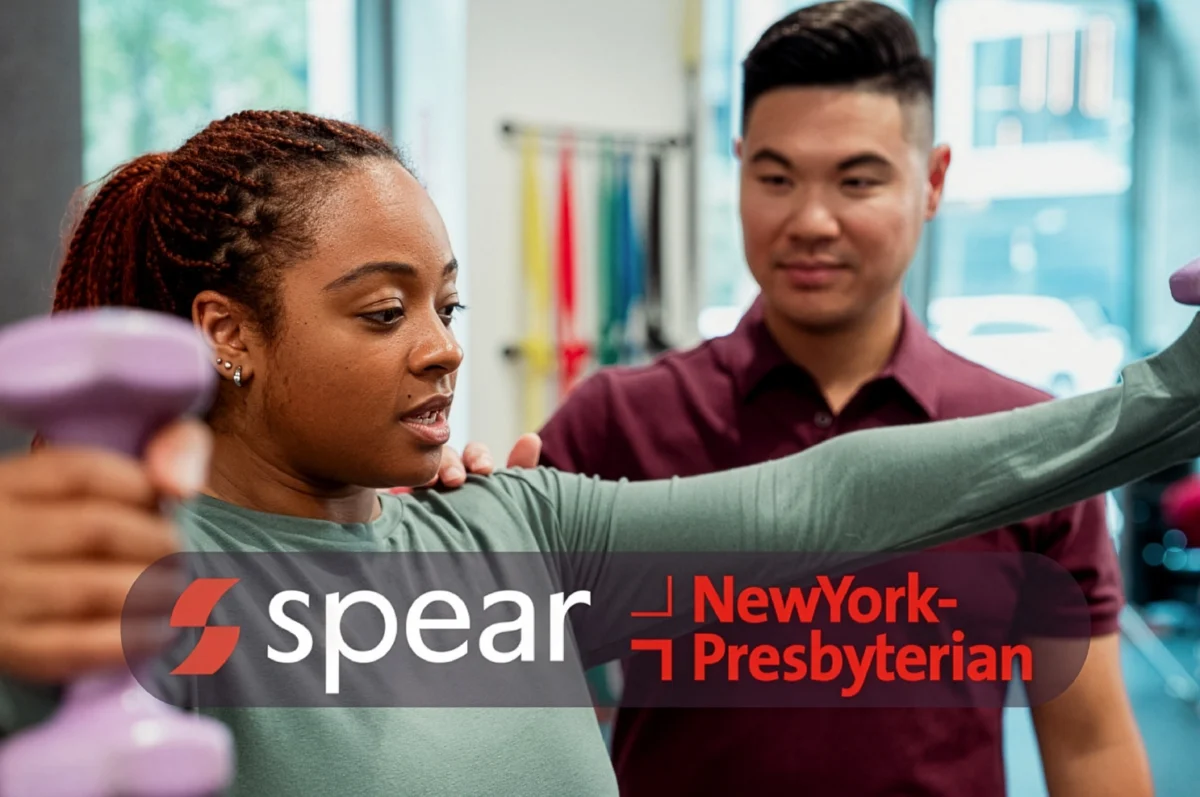
NEW YORK, NY – [Insert Date of Publication] – In a significant move poised to redefine access to vital rehabilitation services, NewYork-Presbyterian, one of the nation’s most comprehensive academic healthcare delivery systems, and Spear Physical and Occupational Therapy, a leading provider of outpatient rehabilitation, have announced a transformative collaboration. This strategic partnership aims to substantially expand access to outpatient physical and occupational rehabilitation across the New York metropolitan area, with the planned opening of nine new state-of-the-art facilities in New York City and Westchester by 2026.
The collaboration represents a concerted effort to enhance the continuum of care for patients, ensuring a more integrated and seamless experience throughout their recovery journey. By combining Spear’s renowned expertise in outpatient rehabilitation with the clinical guidance and extensive network of NewYork-Presbyterian, including its affiliations with two world-class medical schools, Columbia University Vagelos College of Physicians and Surgeons and Weill Cornell Medicine, the initiative promises a more coordinated and effective approach to musculoskeletal care. This expansion is set to bring high-quality physical therapy closer to where New Yorkers live and work, addressing a critical need for accessible and integrated care in a bustling urban and suburban landscape.
Main Facts: A New Era for Rehabilitation Access
The core of this landmark announcement centers on the establishment of nine new outpatient physical and occupational rehabilitation centers slated to open their doors in 2026. These facilities will be strategically distributed across key boroughs of New York City – Manhattan, Brooklyn, and Queens – as well as Westchester County, aiming to dramatically improve patient convenience and reduce geographical barriers to essential care.
This partnership is not merely about increasing the number of clinics; it is fundamentally about elevating the standard of rehabilitation by fostering a deeply integrated care model. Patients referred for physical or occupational therapy will benefit from a system designed to ensure continuity from initial diagnosis through advanced recovery, bridging the gap between acute care settings and long-term wellness. The integration of Spear’s award-winning outpatient methodologies with NewYork-Presbyterian’s leading clinical protocols, informed by cutting-edge research from Columbia University and Weill Cornell Medicine, is expected to set a new benchmark for musculoskeletal care delivery.
Beyond direct patient care, the collaboration is also poised to cultivate an environment of continuous learning and professional advancement. It will introduce new opportunities for clinical education and professional development initiatives, benefiting rehabilitation professionals across both organizations. This commitment to educational excellence will ensure that the care provided at these new centers, and across the broader networks, remains at the forefront of rehabilitation science and practice.
While specific addresses for these nine new locations are anticipated to be announced closer to their 2026 opening, their planned distribution across Queens, Manhattan, Brooklyn, and Westchester underscores a strategic commitment to comprehensive community coverage. This geographic spread is meticulously planned to meet the diverse needs of New York’s vast and dynamic population, ensuring that exceptional rehabilitation services are within reach for a greater number of individuals.
Chronology: From Vision to Implementation
The genesis of this collaboration lies in a shared understanding between NewYork-Presbyterian and Spear regarding the evolving needs of healthcare consumers and the imperative to enhance accessibility and coordination within the rehabilitation spectrum. While the announcement of the nine new locations is slated for 2026, the groundwork for this partnership has undoubtedly been laid over an extended period of strategic planning, mutual assessment, and alignment of organizational philosophies.
The decision to collaborate likely emerged from a recognition of several key factors:
- Growing Demand: The increasing prevalence of musculoskeletal conditions, sports injuries, post-surgical rehabilitation needs, and age-related mobility issues has led to a significant and sustained demand for high-quality physical and occupational therapy services.
- Fragmented Care: Historically, patients often experience discontinuities between their acute hospital care or specialist consultations and their subsequent outpatient rehabilitation. This partnership seeks to directly address this fragmentation.
- Geographic Gaps: Despite New York’s extensive healthcare infrastructure, convenient access to specialized outpatient rehabilitation can still be a challenge, particularly in rapidly growing or underserved communities.
- Shared Vision: Both NewYork-Presbyterian and Spear operate with a patient-centric philosophy, prioritizing outcomes, convenience, and clinical excellence. This philosophical alignment was crucial in forging the partnership.
The timeline leading to the 2026 openings involves several critical phases:
- Strategic Planning and Partnership Formalization: Initial discussions, due diligence, and the formalization of the collaborative agreement, including defining shared governance and operational models. This phase would have involved extensive planning on clinical pathways, technology integration, and patient experience design.
- Location Scouting and Development: Identifying optimal sites for the nine new facilities, considering factors such as patient demographics, existing healthcare infrastructure, transportation access, and community needs. This will be followed by design, permitting, and construction or renovation processes.
- Staffing and Training: Recruitment of a highly skilled workforce, including physical therapists, occupational therapists, and support staff, followed by comprehensive training programs to ensure adherence to integrated clinical protocols and shared service standards. The clinical education initiatives mentioned in the announcement would be a significant part of this phase.
- Technology and Systems Integration: Implementing shared electronic health record (EHR) systems or interoperable platforms to ensure seamless communication and data exchange between NewYork-Presbyterian’s network and the new Spear facilities. This is critical for achieving true continuity of care.
- Community Engagement and Outreach: Informing local communities, referring physicians, and potential patients about the upcoming services, their benefits, and how to access them.
The 2026 opening date suggests a methodical and comprehensive approach to ensure that the new facilities are not only physically ready but also fully integrated into the existing healthcare ecosystem, poised to deliver immediate and impactful patient benefits.
Supporting Data: The Imperative for Enhanced Rehabilitation Access
The collaboration between NewYork-Presbyterian and Spear addresses a compelling need underscored by various healthcare trends and demographic realities within the New York metropolitan area.
1. Growing Burden of Musculoskeletal Conditions:
Musculoskeletal conditions represent a significant public health challenge, impacting millions of Americans annually. These conditions, which include back pain, arthritis, fractures, sprains, and sports injuries, are a leading cause of chronic pain and disability. Data consistently shows that physical and occupational therapy are highly effective, often first-line treatments for these issues, reducing the need for invasive procedures, reliance on opioids, and long-term disability. In a dense urban environment like New York, the incidence of these conditions is exacerbated by factors such as sedentary lifestyles, occupational hazards, and the rigors of city living. The aging population in New York City and Westchester also contributes to a rising demand for rehabilitation services, as conditions like osteoarthritis and post-fall recovery become more prevalent.
2. The Economic and Social Value of Outpatient Rehabilitation:
Outpatient rehabilitation, when accessible and high-quality, offers substantial economic and social benefits. It allows patients to receive necessary care while maintaining their daily routines, returning to work or school faster, and remaining engaged in their communities. This contrasts with inpatient rehabilitation, which, while crucial for severe cases, is more costly and disruptive. By expanding outpatient options, the partnership promotes a more efficient and cost-effective healthcare delivery model. Furthermore, effective rehabilitation can prevent long-term disability, thereby reducing societal costs associated with chronic care and lost productivity. The emphasis on "value, efficiency, and outcomes" by Spear’s CEO, Dan Rootenberg, directly aligns with this broader economic perspective.
3. Importance of Continuity of Care:
The concept of "continuity of care" is paramount in modern healthcare and is a central tenet of this collaboration. Patients often navigate a complex journey from initial injury or diagnosis to full recovery, involving multiple specialists, diagnostic tests, and treatment modalities. A fragmented system can lead to delays in care, repeated tests, miscommunication, and suboptimal outcomes. By creating a "more connected experience across each stage of recovery," as highlighted in the announcement, NewYork-Presbyterian and Spear are building a pathway that minimizes these inefficiencies. This integrated approach ensures that patient information, treatment plans, and progress reports are seamlessly shared among providers, allowing for dynamic adjustments and truly personalized care. This is especially critical for complex cases where patients might transition from hospital-based acute care to specialized outpatient therapy.
4. The Strength of Academic Medical Centers:
The involvement of NewYork-Presbyterian, with its affiliations to Columbia University Vagelos College of Physicians and Surgeons and Weill Cornell Medicine, brings an unparalleled academic and research dimension to the collaboration. These institutions are at the forefront of medical innovation, clinical research, and education. Their input ensures that the rehabilitation protocols and clinical pathways implemented in the new centers are evidence-based, incorporate the latest advancements, and are continually refined through ongoing research. This academic rigor enhances the quality of care and positions the partnership as a leader in advancing rehabilitation science. It also creates a fertile ground for the "clinical education and professional development initiatives" mentioned, fostering a culture of excellence and lifelong learning among practitioners.
5. Strategic Geographic Expansion:
The selection of Queens, Manhattan, Brooklyn, and Westchester for the new locations is strategically sound. These areas encompass a vast and diverse patient population, ranging from densely populated urban centers to more suburban communities. Expanding access in these areas directly addresses geographical barriers and reduces travel burdens for patients, making adherence to therapy plans more feasible. For instance, in sprawling boroughs like Queens and Brooklyn, having facilities closer to residential and commercial hubs can significantly improve patient compliance and, consequently, outcomes.
Official Responses: A Shared Commitment to Accessible, Coordinated Care
The leadership of both NewYork-Presbyterian and Spear have articulated a clear and unified vision for this collaboration, emphasizing patient-centricity, accessibility, and clinical excellence. Their statements underscore the strategic alignment and shared commitment driving this ambitious expansion.
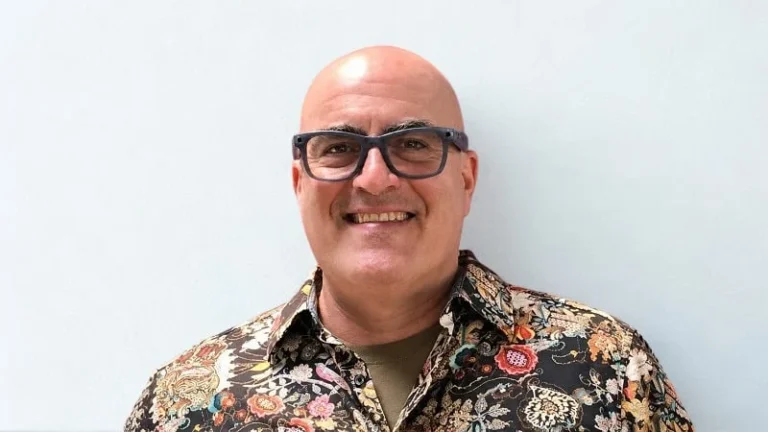
Dan Rootenberg, CEO and co-founder of Spear, eloquently framed the strategic rationale behind the partnership: “By combining Spear’s award-winning outpatient expertise with NewYork-Presbyterian’s leading experts and comprehensive care, we can better align clinical pathways, expand access to exceptional care, and help more New Yorkers get the right care at the right time.” Rootenberg’s emphasis on "aligning clinical pathways" speaks directly to the goal of seamless continuity of care, ensuring that patients receive consistent, high-quality treatment regardless of where they enter the system. His reference to "value, efficiency, and outcomes" reflects a modern healthcare philosophy that prioritizes not just treatment, but effective, cost-conscious, and results-oriented care. His personal connection as a "lifelong New Yorker raised in Brooklyn" adds a poignant layer, highlighting a deep understanding of the community’s needs and a genuine desire to serve them more effectively. This personal perspective reinforces the idea that the collaboration is driven by a mission to improve the health and well-being of the broader New York community.
Dr. Deepa Kumaraiah, executive vice president and chief operating officer at NewYork-Presbyterian, echoed this commitment, focusing on the tangible benefits for patients: “NewYork-Presbyterian and Spear share a commitment to delivering exceptional care that is accessible and convenient for patients. By expanding access to physical and occupational therapy across New York City and Westchester, we can help more patients receive coordinated rehabilitation services closer to home and support them throughout their recovery.” Dr. Kumaraiah’s statement reinforces the core promise of the collaboration: enhanced accessibility and convenience leading to better patient support throughout their recovery journey. Her emphasis on "coordinated rehabilitation services closer to home" directly addresses a key challenge faced by many patients – the logistical difficulties of attending regular therapy sessions when facilities are distant or difficult to reach. This convenience factor is often a critical determinant of patient adherence to treatment plans and, consequently, successful outcomes.
The collective message from both leaders is clear: this partnership is a strategic response to evolving healthcare needs, designed to deliver high-quality, integrated, and accessible rehabilitation services that truly benefit New Yorkers. The synergy between Spear’s specialized outpatient focus and NewYork-Presbyterian’s extensive, academically-driven healthcare network creates a formidable force in addressing the demand for comprehensive musculoskeletal care.
Implications: Reshaping the Landscape of Rehabilitation
The collaboration between NewYork-Presbyterian and Spear carries profound implications, not only for the two organizations involved but for the broader healthcare landscape of New York City and Westchester, and ultimately, for the well-being of its residents.
1. Enhanced Patient Experience and Outcomes:
The most direct beneficiaries will be patients. The nine new facilities, strategically located, will significantly reduce travel time and logistical burdens, making it easier for individuals to adhere to their prescribed therapy regimens. The integrated care model, connecting outpatient rehabilitation with NewYork-Presbyterian’s extensive network of specialty care and academic medical centers, promises a smoother transition between different stages of care. This seamless experience is expected to lead to improved patient satisfaction, better compliance with treatment plans, and ultimately, superior functional outcomes. Patients can expect a consistent standard of care, informed by the latest research and delivered by highly trained professionals, throughout their recovery journey.
2. A Model for Integrated Care Delivery:
This partnership could serve as a powerful model for integrated care delivery within the highly competitive and complex New York healthcare market, and potentially beyond. By demonstrating the effectiveness of combining a specialized outpatient provider with a large academic healthcare system, it could inspire similar collaborations aimed at optimizing patient pathways and resource utilization. The focus on aligning clinical pathways and fostering a connected experience represents a forward-thinking approach to healthcare that prioritizes coordination over fragmentation.
3. Strengthening the Healthcare Ecosystem:
The expansion will undoubtedly strengthen the overall healthcare ecosystem in New York City and Westchester. By increasing the availability of high-quality rehabilitation services, it helps to alleviate pressure on existing facilities and ensures that a wider population has access to necessary care. This is particularly important for underserved communities where access to specialized rehabilitation might be limited. The collaboration also reinforces the critical role of physical and occupational therapy as integral components of comprehensive healthcare, rather than ancillary services.
4. Opportunities for Clinical Innovation and Education:
The explicit mention of "clinical education and professional development initiatives" highlights a commitment to advancing the field of rehabilitation itself. By fostering opportunities for learning and collaboration between professionals from both organizations, the partnership will contribute to a higher standard of practice. This includes sharing best practices, conducting joint research, and developing innovative treatment protocols. The involvement of Columbia University and Weill Cornell Medicine further cements this potential for academic leadership and the translation of research into practice. This continuous learning environment will attract and retain top talent in the rehabilitation field, further enhancing the quality of care available to New Yorkers.
5. Economic and Workforce Impact:
The opening of nine new facilities will generate significant economic activity, including job creation for physical therapists, occupational therapists, rehabilitation aides, administrative staff, and facility management personnel. This investment in healthcare infrastructure also stimulates local economies through construction, supply chain needs, and increased foot traffic. Moreover, by helping patients recover and return to work more quickly, the collaboration contributes to overall workforce productivity and reduces the economic burden of long-term disability.
6. Long-term Vision for Community Health:
Ultimately, this collaboration is a testament to a long-term vision for improving community health. By making essential rehabilitation services more accessible, convenient, and coordinated, NewYork-Presbyterian and Spear are not just treating injuries; they are investing in the long-term well-being and functional independence of New Yorkers. This proactive approach to health can lead to a healthier, more active population, reducing the overall burden of disease and disability in the region.
In conclusion, the partnership between NewYork-Presbyterian and Spear is a monumental step forward for rehabilitation care in New York. It embodies a shared commitment to excellence, accessibility, and integrated care, promising a brighter future for patients navigating the complexities of recovery. As the 2026 opening date approaches, New Yorkers can anticipate a new standard of comprehensive, coordinated, and convenient physical and occupational therapy, bringing vital care closer to home and empowering them on their journey to optimal health.