









By Policy Desk
September 18, 2026
In a high-stakes move aimed at reshaping the landscape of American healthcare affordability, President Trump announced on Friday that all 50 states have signed on to a new federal program designed to implement "most favored nation" (MFN) pricing for select prescription drugs within the Medicaid system. The initiative, officially dubbed the "GENEROUS" (Global Equity in Negotiation, Evaluation, and Rational Utilization of State-subsidized) model, marks a significant escalation in the administration’s efforts to align U.S. pharmaceutical costs with those of other affluent nations.
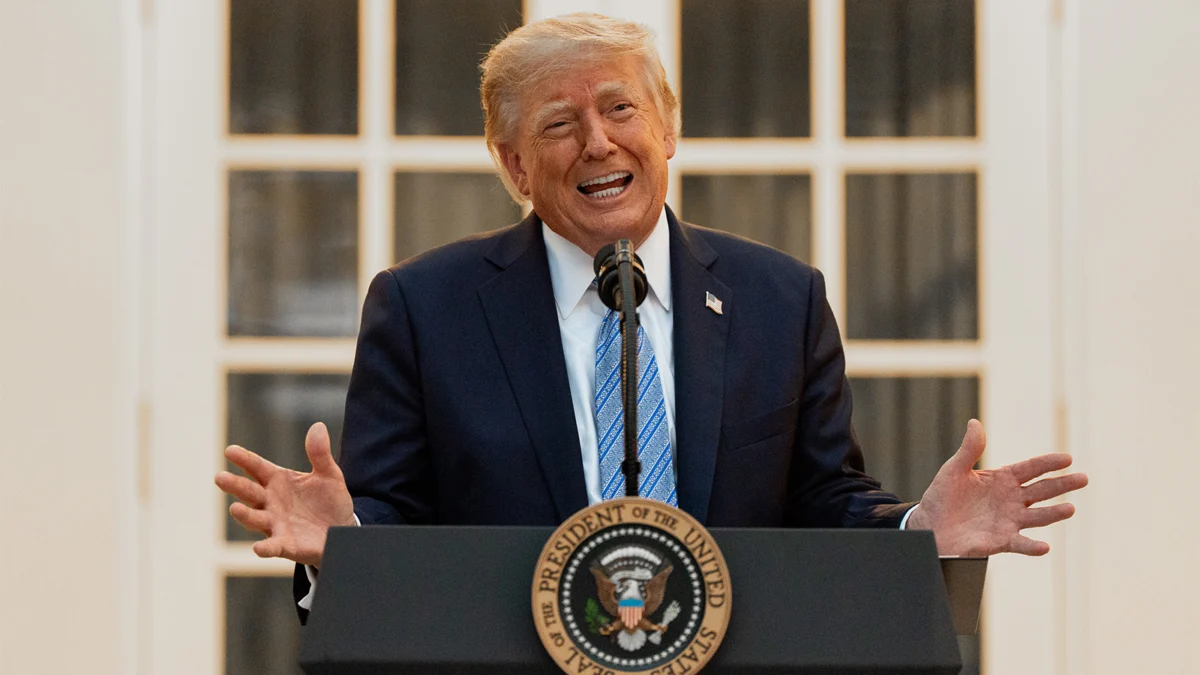
Flanked by Health and Human Services Secretary Robert F. Kennedy Jr. and CMS Administrator Dr. Mehmet Oz in the Oval Office, President Trump framed the policy as a transformative victory for the American taxpayer. "This one thing alone should win us the midterms," the President declared, signaling that the initiative is intended to serve as a cornerstone of his party’s platform heading into the November elections.
However, despite the administration’s ambitious rhetoric, the policy has been met with a mixture of political optimism and rigorous skepticism. While the White House projects billions in savings for state-level Medicaid budgets, policy experts are sounding the alarm over the lack of transparency surrounding the private negotiations that underpin the plan.
The GENEROUS Model: A Chronology of Policy Evolution
The path to the GENEROUS model began with a broader strategic pivot by the Trump administration toward international price indexing.
- 2025 – The Executive Mandate: The administration first signaled its intent to overhaul drug procurement by signing an executive order aimed at curbing the disparity between domestic and international drug prices. The directive established the "most favored nation" principle, which asserts that the United States should not pay more for a medication than the lowest price available in other developed nations.
- May 2026 – Preliminary Projections: Following months of closed-door negotiations with pharmaceutical manufacturers, the White House released an estimate suggesting that the new pricing framework could yield as much as $529 billion in savings over the next decade.
- September 2026 – The Nationwide Rollout: After extensive lobbying and the drafting of specific state-level agreements, the administration secured participation from all 50 states, culminating in the Friday announcement of the GENEROUS model.
The strategy marks a departure from traditional Medicaid drug rebate programs, moving toward a dynamic pricing model that automatically adjusts domestic costs based on a basket of international benchmarks.
Supporting Data and Financial Implications
The core promise of the GENEROUS model is the mitigation of state-level fiscal strain. Medicaid, a joint federal and state program, often consumes a significant portion of state budgets. By securing lower acquisition costs for high-expenditure drugs, the administration argues that states will be able to reallocate funds toward other critical healthcare infrastructure, such as rural hospital support or expanded preventative care.
The Math Behind the Curtain
According to the White House’s internal projections, the model targets "high-cost, high-utilization" medications. By tethering U.S. Medicaid prices to the lowest international market rates, the administration seeks to neutralize the "innovation premium" that has historically driven U.S. drug prices significantly higher than those in Europe or Canada.
However, the $529 billion figure cited by the administration relies on proprietary data and confidential deal structures. Because these agreements involve private pharmaceutical entities, the specific discount formulas—and the list of drugs included—remain shielded from public view. This lack of transparency has created a "verification gap," where independent analysts at the Congressional Budget Office (CBO) and non-partisan think tanks have been unable to replicate the administration’s long-term savings projections.
Official Responses and Political Friction
The announcement has triggered a wave of reactions across the political and healthcare spectrum, highlighting the tension between populist economic goals and the realities of pharmaceutical market mechanics.
Administration Perspectives
Secretary Robert F. Kennedy Jr. defended the initiative as a necessary correction to a "broken" market. He argued that for too long, American patients and taxpayers have effectively subsidized the R&D costs for the rest of the world. "The GENEROUS model ensures that the American public is no longer the primary financier of global pharmaceutical profits at the expense of our own state budgets," Kennedy stated.
Dr. Mehmet Oz emphasized the administrative ease of the program, noting that the CMS has developed a centralized portal to manage the price indexing, which he claims will reduce the administrative burden on states while ensuring compliance from manufacturers.
Independent Skepticism
The reaction from the policy community has been far more cautious. Kathy Hempstead, PhD, a senior policy adviser at the Robert Wood Johnson Foundation, expressed deep concern regarding the lack of granularity in the administration’s disclosures.
"He is saying Congress should codify all of his MFN arrangements," Hempstead noted in a recent interview. "But it’s kind of unreasonable because it’s not clear what Congress would actually do. No one knows what is in these deals. If you are asking for legislative permanence, you must provide the data to back up the fiscal claims."
Hempstead also raised the question of sustainability. With the current administration’s term approaching its conclusion, there are valid concerns about the longevity of these price agreements. Industry analysts wonder whether these discounts are contingent on the current administration’s pressure tactics and whether they will "snap back" to higher prices once the political landscape shifts.
Implications: The Road Ahead
The implementation of the GENEROUS model carries profound implications for the pharmaceutical industry, state governance, and the broader American patient population.
Pharmaceutical Industry Resistance
While the administration claims to have reached "deals" with companies, the pharmaceutical sector has historically fought international price indexing tooth and nail. Industry lobbyists have long argued that such policies could stifle innovation, arguing that the high cost of drugs in the U.S. is the primary driver of global clinical trials and new drug development. The industry is likely to monitor the legality of these individual state agreements closely, as some legal scholars argue that the administration may be overstepping its authority by unilaterally setting price caps through state-level negotiations.
The Patient Perspective
For the average Medicaid beneficiary, the immediate impact may be muted. Because Medicaid patients typically pay only a nominal co-payment for prescriptions, the direct financial savings are realized by the state, not the individual.
However, JD Hayworth, a former congressman and current spokesperson for the Pharmaceutical Reform Alliance, argues that the initiative, while progress, is inherently exclusionary. "This is meaningful progress, but it remains incomplete," Hayworth said. "Millions of Americans who rely on private insurance or the individual market are still facing astronomical out-of-pocket costs. If we are fixing the price for the government, why are we leaving the private citizen behind?"
The Legislative Hurdle
As the midterm elections approach, the GENEROUS model will likely become a primary battleground. President Trump is actively pressuring Congress to codify the MFN arrangements into permanent law. This would insulate the policy from future executive orders or regulatory reversals. Whether Congress will act in a polarized climate—without full disclosure of the underlying deal terms—remains the greatest uncertainty of all.
Conclusion
The GENEROUS model represents a bold, if opaque, attempt to lower drug costs through the sheer weight of federal negotiation. By leveraging the combined purchasing power of all 50 states, the Trump administration has signaled a permanent shift in how the U.S. interacts with the global pharmaceutical market. Yet, until the details of these agreements are made public, the true impact—and the long-term viability—of these savings will remain a matter of intense debate, serving as both a campaign rallying cry and a target for fiscal oversight in the months to come.