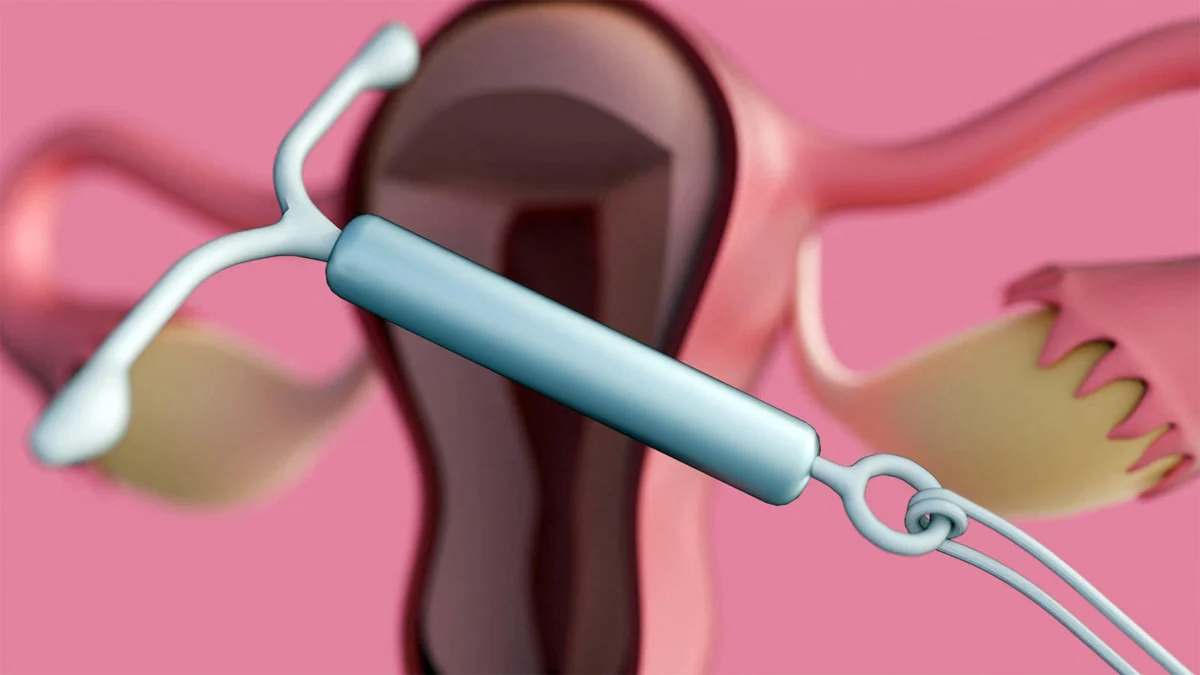
For decades, the insertion of an intrauterine device (IUD)—one of the most effective forms of long-acting, reversible contraception—has been accompanied by a consistent, often-downplayed clinical reality: significant procedural pain. While millions of people rely on IUDs for birth control, the clinical experience of insertion has frequently been characterized by discomfort that varies wildly between patients.
A new, rigorous randomized clinical trial conducted in Sweden and published in JAMA suggests that a simple, minimally invasive intervention could significantly shift the needle on patient comfort. By using intrauterine instillation of the anesthetic mepivacaine, researchers have demonstrated a measurable reduction in pain scores, offering a potential new standard of care for clinics worldwide.
The Core Findings: Quantifying Comfort
The study, led by Dr. Karin Elgemark and her colleagues at the Karolinska Institutet in Stockholm, sought to address the "pain gap" that has become a prominent topic of discussion in both clinical settings and online forums.
The trial involved 370 participants, aged 18 to 31, who were seeking their first IUD. Participants were randomized to receive either 10 mL of 2% mepivacaine or a placebo (saline) via a hydrosonography catheter two minutes prior to the procedure. The results were striking:
- Pain Reduction: The mean pain score for the mepivacaine group was 43.8 mm on a 100-mm visual analog scale (VAS), compared to 58.6 mm in the placebo group—a statistically significant difference (P<0.001).
- Tolerability: Perhaps more importantly, the subjective experience of the procedure improved. Nearly 98.3% of patients who received the anesthetic reported the pain was "tolerable," compared to 91.4% in the control group.
- Patient Satisfaction: When asked if they would recommend the pain relief method to others, 79% of those in the mepivacaine group answered in the affirmative, compared to 68.6% of the placebo group.
The study calculated the "number needed to treat" (NNT) at 15, meaning that for every 15 patients who receive the mepivacaine intervention, one additional patient is spared the experience of "intolerable" pain.
Chronology of a Clinical Investigation
The journey to this discovery began with a modest pilot study. Previously, the research team at Karolinska Institutet explored the use of 1% intrauterine mepivacaine. While the initial results were promising, they were limited in scale. Encouraged by those early observations, the team opted to double the concentration to 2% and expand the study parameters to create a more robust, multi-center trial.
A Timeline of the Research (May 2021–June 2024):
- Early 2021: Protocol development and ethical approval for a large-scale, double-blind, randomized trial across 11 outpatient clinics in Sweden.
- May 2021: Enrollment commences. The study focuses specifically on nulliparous patients (those who have not given birth) between the ages of 18 and 31, a population often associated with higher reports of insertion pain.
- 2022–2023: Data collection continues across various gynecology, maternal health, and youth clinics. The researchers standardize the use of a hydrosonography catheter to deliver the anesthetic.
- June 2024: Enrollment concludes. Final data analysis is conducted, confirming that the faster onset and lower toxicity of mepivacaine make it a superior candidate for this specific, localized application compared to traditional lidocaine alternatives.
- September 2024: Findings are published in JAMA, coinciding with a broader industry-wide conversation regarding the necessity of improved pain management in gynecological procedures.
Supporting Data and Clinical Context
The discussion surrounding IUD pain is not new, but it has gained significant momentum. In recent years, the "social media effect" has forced the medical community to reckon with patient reports of agonizing discomfort during insertion. This has led to formal guidance from organizations like the Centers for Disease Control and Prevention (CDC) and the American College of Obstetricians and Gynecologists (ACOG), both of which have emphasized the ethical imperative to discuss and offer pain management options.
Why Mepivacaine?
The choice of mepivacaine over the more commonly used lidocaine was a deliberate decision by the Swedish research team. Mepivacaine offers a faster onset of action and is associated with a lower risk of potential toxicity, making it an ideal candidate for a procedure that requires rapid, localized relief.
The Limitations of the Study
Despite the positive outcomes, the authors are careful to acknowledge the trial’s constraints. The study did not attempt to address:
- The Multi-Step Nature of Insertion: As Dr. Nikki Zite, an ob/gyn at the University of Tennessee, notes, much of the pain during an IUD insertion is caused by the speculum and the tenaculum (the instrument used to stabilize the cervix). The mepivacaine instillation, while effective for the intrauterine portion of the procedure, does not mitigate the discomfort caused by these external instruments.
- Clinician Factors: The study did not measure the "difficulty" of the insertion as assessed by the clinician, nor did it account for baseline patient anxiety, both of which are known variables in pain perception.
Official Responses and Professional Perspectives
The findings have sparked a healthy debate among gynecological practitioners. Dr. Nikki Zite, while commending the study for its methodological rigor, points to the broader clinical landscape.
"Patients benefit from knowing providers are concerned and trying to address their pain, even if they don’t receive actual pain medication," Zite remarked. She highlights the psychological component: when a patient feels that their pain is being acknowledged and managed, their overall experience—and willingness to undergo the procedure—improves.
However, Zite also raises a provocative point regarding research ethics in the United States. She notes that some institutional review boards (IRBs) might be hesitant to approve a study that involves a control group receiving no pain management, given that many US clinics now offer various forms of anesthetic or sedation as standard practice. This creates a challenging paradox for researchers: to prove that a new method works, they must compare it against a placebo, yet the gold standard of care is rapidly shifting away from the "no-treatment" model.
Indeed, a concurrent study published in the same issue of JAMA found that when patients were offered intravenous moderate sedation, one in five opted for it. This suggests that the baseline desire for pain control is significantly higher than the medical establishment previously recognized.
Implications for Future Practice
The implications of the Elgemark study are far-reaching. As the authors noted, "Considering the frequency of IUD placements worldwide, even modest reductions in the proportion of individuals experiencing intolerable pain may have important clinical implications."
1. Standardizing Minimalist Pain Relief
The method used in the Swedish study is relatively simple, utilizing equipment—the hydrosonography catheter—that is already ubiquitous in modern gynecology clinics. If this protocol were to be widely adopted, it could represent a "low-hanging fruit" solution: a safe, inexpensive, and quick way to increase patient comfort without the need for the complex, resource-heavy requirements of intravenous sedation or general anesthesia.
2. A Shift in Patient-Provider Communication
Beyond the chemical intervention, the trial underscores the importance of the discussion of pain. Clinicians are now under increasing pressure to move beyond the traditional "it might pinch" explanation. Incorporating a standardized pain management protocol—whether it involves mepivacaine, lidocaine gels, or counseling—is becoming a vital component of informed consent.
3. Future Research Directions
The next frontier in this research will likely involve combining multiple pain management strategies. If the instillation of mepivacaine handles the uterine discomfort, and a topical lidocaine gel handles the cervical discomfort, could a "cocktail" approach provide a near-painless experience? Further trials will be needed to assess whether these combinations provide additive benefits without increasing risk.
Conclusion
The Swedish trial is a significant step forward in the movement to humanize gynecological care. While it does not represent a "cure-all" for every discomfort associated with IUD insertion, it provides clear, data-driven evidence that pain during these procedures is not an inevitable fact of life. By adopting targeted, minimally invasive anesthetic techniques, the medical community can fulfill its primary obligation: to provide necessary care while prioritizing the comfort and autonomy of the patient. As clinics integrate these findings, the hope is that the "IUD pain gap" will continue to narrow, ensuring that one of the most effective forms of contraception remains as accessible and comfortable as possible.