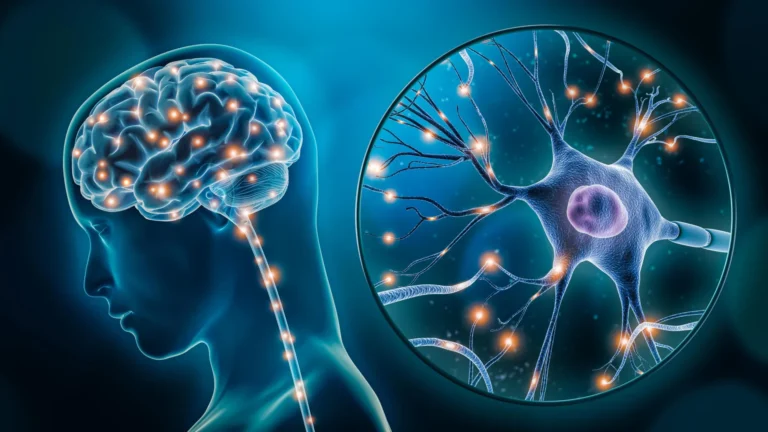









As we age, our bodies undergo a complex process of cellular accumulation. While many cells cycle through life, death, and replacement, some cells refuse to exit the stage. These "zombie cells"—scientifically known as senescent cells—persist in our tissues long after they should have been cleared away. They stop dividing but remain metabolically active, secreting inflammatory signals that disrupt the healthy function of neighboring cells.
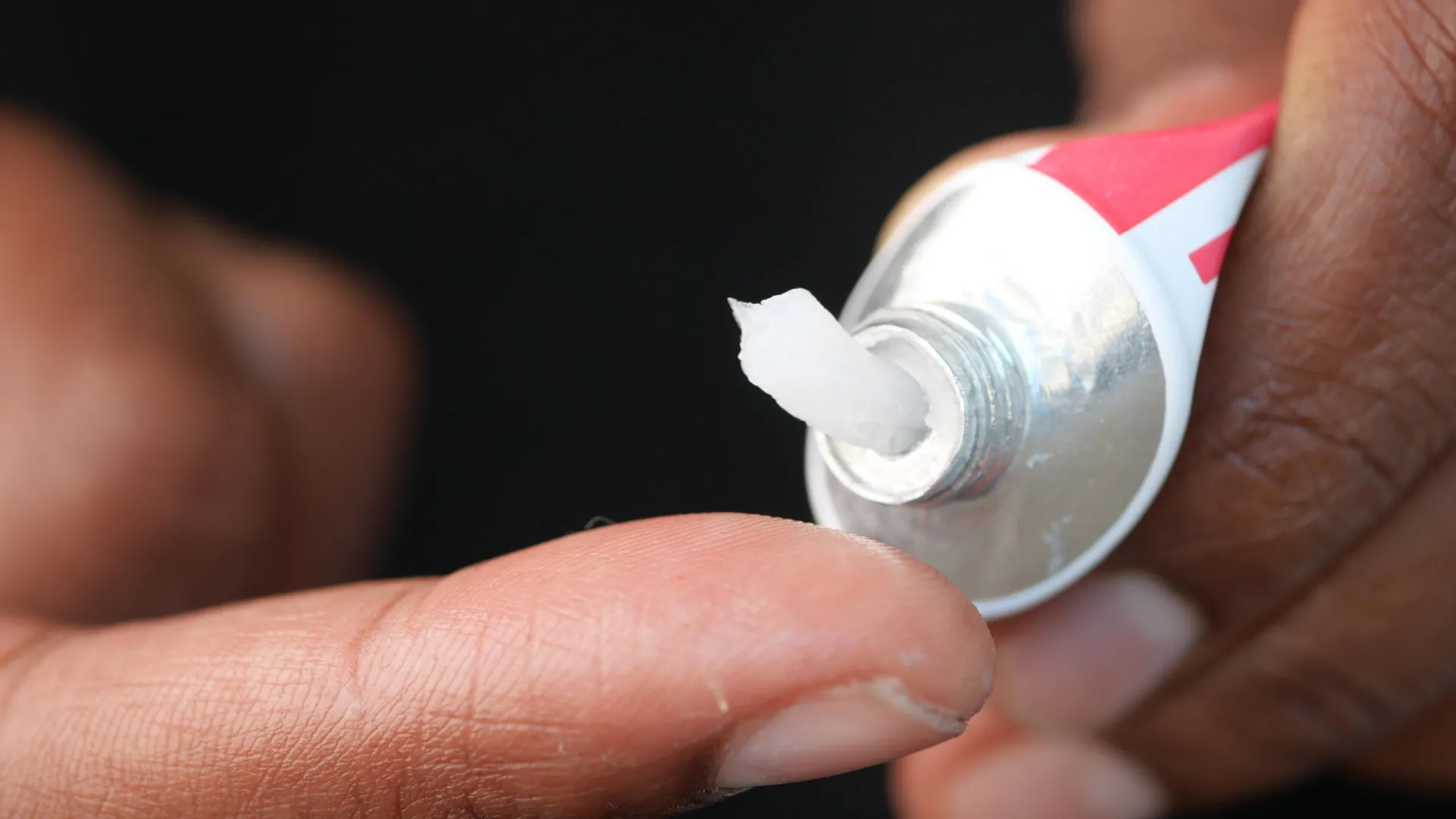
Recent groundbreaking research published in Aging (Aging-US) has unveiled a potential solution to this biological bottleneck. A team of researchers from the Boston University Aram V. Chobanian and Edward Avedisian School of Medicine has demonstrated that a topical treatment capable of eliminating these senescent cells can dramatically accelerate the healing of aging skin. This discovery offers a glimpse into a future where preoperative care could include "cellular spring cleaning," allowing older adults to recover from surgery or injury with the resilience of a much younger person.
The Mechanism of Aging: Understanding Senescence
To appreciate the significance of this research, one must understand the physiology of aging skin. Skin is not merely a static barrier; it is a dynamic organ that relies on constant renewal. However, as we age, the cellular landscape changes. Genetic damage and metabolic stress cause a subset of cells to enter a state of permanent growth arrest—senescence.
These senescent cells do not remain inert. Instead, they develop a "senescence-associated secretory phenotype" (SASP). This means they act as persistent factories for pro-inflammatory molecules, growth factors, and enzymes that degrade the extracellular matrix. By creating a chronic, low-grade inflammatory environment, these cells effectively "poison the well," hindering the regenerative capacity of nearby healthy cells.
In younger individuals, the immune system is typically efficient at identifying and clearing these damaged cells. In older adults, however, the immune system’s "clearance crew" becomes less effective, leading to the accumulation of senescent cells that actively impede tissue repair. This is why a simple laceration or a surgical incision that heals in days for a teenager can take weeks or even months to close in an older patient.
Chronology of the Research: From Laboratory to Discovery
The study, led by Maria Shvedova, Rex Jeya Rajkumar Samdavid Thanapaul, and their colleagues, sought to determine if the accumulation of these cells could be reversed via localized intervention.
The Experimental Approach
The research team focused on ABT-263, a well-known senolytic agent. Senolytics are a class of drugs specifically designed to induce apoptosis (programmed cell death) in senescent cells while leaving healthy, functional cells largely untouched.
- The Subjects: The study utilized aged mice, as their skin biology closely mimics the challenges faced by human geriatric skin.
- The Intervention: The researchers applied topical ABT-263 to the skin of these mice over a five-day period.
- The Assessment: Following the treatment, the researchers induced small, controlled wounds to observe the speed and quality of the healing process compared to a control group of untreated aged mice.
The Results: A Statistical Breakthrough
The findings were stark. By day 24, 80% of the mice treated with the topical ABT-263 had achieved full wound closure. In contrast, only 56% of the untreated mice reached the same level of recovery. This significant delta suggested that by pruning away the "zombie" cell population, the treated skin was able to re-engage its natural, youthful regenerative pathways.
Supporting Data and the "Healing Burst"
Perhaps the most counterintuitive finding of the study was the role of inflammation. In the world of clinical medicine, inflammation is generally viewed as a villain—a chronic state that leads to fibrosis, scarring, and poor health. However, the researchers discovered that the application of ABT-263 triggered a brief burst of inflammation.
Rather than being detrimental, this acute, short-lived inflammatory response appeared to act as a "jump-start" for the healing process. The drug essentially "woke up" dormant repair pathways. Gene expression analysis revealed a marked increase in activity within pathways responsible for:
- Collagen Synthesis: The structural protein required for skin integrity.
- Angiogenesis: The growth of new blood vessels, essential for delivering nutrients to the site of injury.
- Tissue Remodeling: The process of organizing cells into a coherent, strong barrier.
This suggests that the problem in aging skin is not necessarily a lack of "building materials," but rather a failure to initiate the construction process. By removing the senescent cells, the skin’s biological machinery was allowed to reset and function as if it were younger.
Official Responses and Scientific Context
The publication of this study has sent ripples through the dermatology and regenerative medicine communities. The research team emphasizes that this is a "targeted approach." Because ABT-263 can be toxic if administered systemically (via mouth or injection), applying it topically to a specific area—such as a surgical site—minimizes the risk of side effects while maximizing the concentration of the drug exactly where it is needed.
Broadening the Scope: 2025–2026 Advancements
The scientific momentum has only accelerated since the initial publication.
- 2025 Review in Ageing Research Reviews: This comprehensive analysis validated the hypothesis that senescent cells are a primary driver of skin disease, noting that "senolytic therapies are moving from the realm of science fiction to a tangible clinical objective."
- 2026 Study on Diabetic Wound Healing: A recent study took the concept of the Boston University team further by developing a specialized wound dressing infused with ABT-263. Tested on diabetic mice—who often suffer from chronic, non-healing ulcers—the dressing successfully reduced senescent cell burden and accelerated healing without evidence of systemic toxicity.
However, the field remains cautious. A 2024 review in Frontiers in Immunology provided a crucial caveat: senescence is not inherently evil. In the very early stages of a wound, senescent cells can actually play a role in signaling for repair. The challenge for future medicine lies in precision timing: clearing the cells that have become "stuck" without interfering with the cells that are performing a necessary, transient role in the initial stages of healing.
Clinical Implications: Preparing for the Future
The implications for geriatric medicine are profound. Currently, surgery for the elderly is often complicated by long recovery times and a high risk of surgical site infections or dehiscence (the reopening of a wound). If a topical senolytic could be applied to the skin in the days leading up to an elective surgery, it could potentially "prime" the tissue for rapid closure.
Key Considerations for Translation:
- Dosing and Timing: Scientists must determine the "Goldilocks zone"—enough drug to clear the senescent cells, but not so much that it causes excessive inflammation or tissue damage.
- Long-Term Safety: While topical delivery is safer than systemic, researchers must ensure there is no risk of the drug being absorbed into the bloodstream or affecting underlying healthy tissues over repeated applications.
- Human Trials: The leap from murine models to human clinical trials is the most significant hurdle. The complexity of human skin, with its thicker layers and unique immunological profile, will require rigorous, phase-controlled testing.
Conclusion: A New Paradigm for Aging
We are currently witnessing a shift in how we approach the aging process. Rather than simply managing the symptoms of aging—such as thin, fragile skin—modern science is beginning to target the root causes of biological decline.
The research conducted by the Boston University team, and supported by subsequent studies, represents a pivot toward "proactive biological maintenance." While we are still years away from seeing ABT-263 or similar compounds in a pharmacy, the evidence is compelling. By selectively clearing the "zombie cells" that hold our tissues back, we may one day be able to ensure that even as our chronological age increases, our biological capacity for repair remains robust, resilient, and ready to heal.
For the millions of older adults who face the prospect of surgery or the reality of chronic skin conditions, this technology promises a future where the skin is no longer a barrier to recovery, but an active partner in it. As the field matures, the focus will remain on the precision of these therapies—ensuring that we can clear away the old to make way for the new, safely and effectively.