





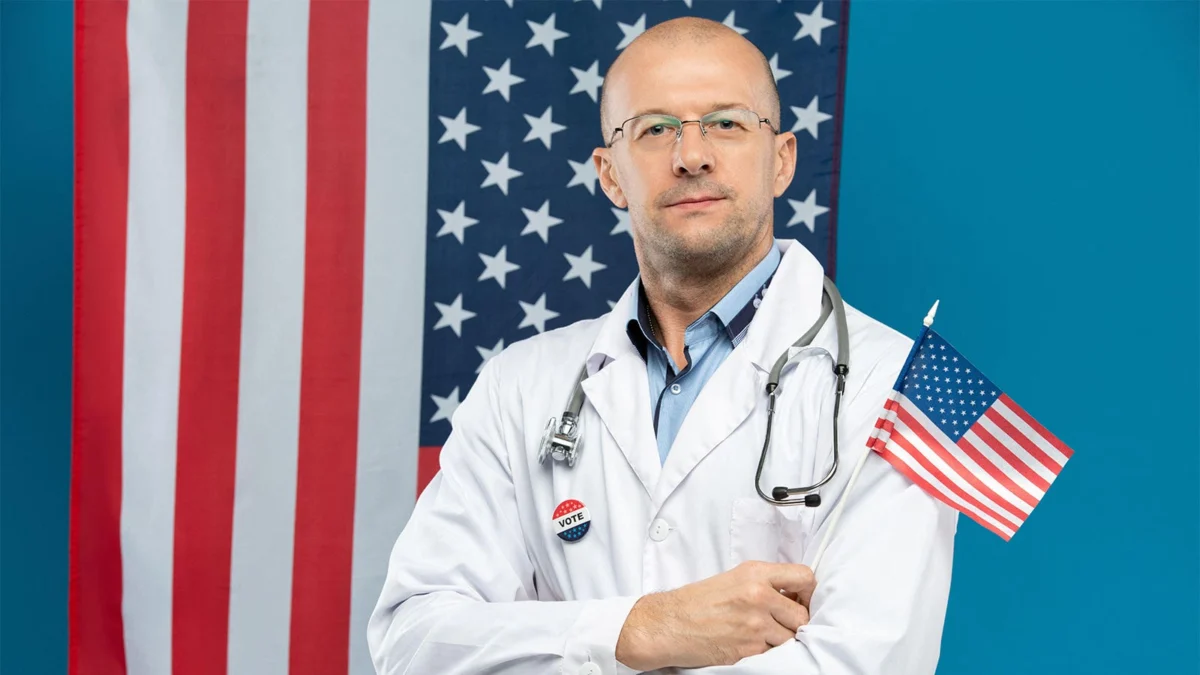
In the quiet sanctity of the exam room, the relationship between physician and patient has long been viewed as a sacred, apolitical sanctuary. It is a space defined by the Hippocratic Oath, where the only hierarchy is the patient’s wellbeing. However, in recent years, this traditional boundary has been increasingly breached. From the halls of prestigious medical conferences to the patient-facing clinical environment, a surge in physician-led activism has sparked a profound existential crisis within the profession.
As doctors increasingly leverage their professional status to champion social and geopolitical causes, a fundamental question emerges: Has the medical profession lost its way, and in doing so, has it begun to repeat the historical errors that once saw medicine tethered to state ideology?
The Erosion of Professional Boundaries: A Chronology of Conflict
The rise of physician activism, accelerated by the exigencies of the COVID-19 pandemic, has shifted from behind-the-scenes advocacy to overt, public-facing political participation. This trend is not merely anecdotal; it is structural.
The ADA Incident: A Catalyst for Controversy
The most recent flashpoint occurred at this year’s American Diabetes Association (ADA) meeting. A group of attendees, intent on distributing an editorial criticizing federal research budget cuts, was met with an extreme response: they were forcibly removed, banned from the venue, and threatened with police intervention.
The aftermath was immediate and chaotic. The incident triggered widespread outrage, a flurry of resignations, and a public apology video from ADA CEO Charles Henderson. Yet, the discourse surrounding the event served as a stark indictment of the current climate: the medical community spent more time debating the ethics of protest and administrative overreach than it did on the core mission of the ADA—diabetes research, care, and the search for a cure.
Geopolitical Tensions in Global Medical Bodies
The politicization is not limited to domestic research funding. International medical organizations are currently grappling with deep, ideological divisions. The World Medical Association (WMA) has faced intense pressure to exclude the Israeli Medical Association from its ranks. Simultaneously, the British Medical Association (BMA) has sought to rescind a widely adopted definition of antisemitism, framing the move as a matter of policy but triggering significant internal friction regarding the organization’s role in political advocacy.
Supporting Data and the Conflict of Perspectives
The debate over whether a physician should be politically neutral is far from settled. Advocates for "engaged medicine" argue that the social determinants of health—poverty, systemic racism, and war—are inherently political.
The Argument for Advocacy
Surgeon Alan Rogers, MBChB, MMed, MSc, has pointed to the historical legacy of physicians like Neil Aggett and Paul Farmer. Proponents of this view argue that doctors operating in conflict zones do not merely treat wounds; they bear witness to humanitarian atrocities. In this framework, advocating for healthcare access is an inseparable component of the physician’s duty.
In a 2025 editorial, family physician Brinda Sarathy echoed this sentiment, arguing that physicians must "embrace the complex responsibilities that extend beyond the exam room." For these practitioners, the "neutral" physician is a myth that ignores the structural barriers preventing patients from achieving health.
The Case for Neutrality
Conversely, many practitioners argue that such advocacy inevitably compromises the "sacred trust" required for clinical care. When a patient enters an exam room, they must be able to trust that their doctor sees them solely as a patient, not as a representative of a political ideology or a demographic group.
Evidence suggests that when physicians introduce their personal politics into the clinical space—whether through overt symbols, social media commentary, or discriminatory treatment practices—the trust dynamic is irrevocably damaged. If a patient feels that their physician’s clinical judgment is filtered through a political lens, the efficacy of the patient-provider relationship is compromised, often leading to a breakdown in communication and care.
Lessons from History: The Danger of the "State Physician"
To understand the stakes of this shift, one must look back to the early-to-mid 20th century. History provides a sobering warning: when medicine becomes a tool for political or social agendas, the individual patient is the first to be sacrificed.
In the mid-20th century, eugenics was not a fringe concept; it was taught in elite American, British, and German medical schools. As noted in a 2012 study in the International Journal of Law and Psychiatry, physicians joined the National Socialist Party in disproportionate numbers, often becoming the architects of state-sanctioned atrocities.
The shift began with the rebranding of the physician’s role. In Germany and Austria, the mandatory textbook by Rudolf Ramm reframed the doctor’s duty as service to the "Volk" (the people) rather than the individual. By placing the collective political good above the individual patient, the medical profession lost its moral compass, leading directly to the horrors of the Holocaust and the subsequent Nuremberg Doctors’ Trial. The resulting Nuremberg Code, which remains the cornerstone of modern research ethics, was a direct response to the catastrophic failure of doctors who forgot that their primary allegiance must always be to the patient.
Implications for Modern Medical Practice
The current trend toward the politicization of medicine has several dangerous implications for the future of the field:
- Diminished Professionalism: As bioethicist Thomas Huddle has argued, medicine is not politics. When the two are blended, the "distinctiveness" of the physician—as a healer who treats all, regardless of creed, color, or political stance—is eroded.
- Public Distrust: Medicine relies on the universal perception of impartiality. If the public begins to view the medical establishment as just another partisan interest group, the credibility of public health directives will suffer, potentially leading to lower compliance with vital health recommendations.
- Fragmented Care: When social media becomes a venue for political posturing, physicians risk alienating large swaths of the patient population. The clinical setting is no place for the performance of ideology; it is a place for the objective application of science and empathy.
The Path Forward: Reclaiming the Oath
So, how does the profession navigate this crossroads? The solution may lie in returning to the foundational tenets of medical education.
The late Max Gutensohn, DO, a legendary figure in osteopathic medicine, famously distilled the entirety of medical ethics into three rules:
- The patient comes first.
- If you forget rule one, reread it.
- There are no other rules.
These rules are not merely sentimental; they are protective. They act as a firewall against the distractions of the outside world. When a physician is in the room with a patient, the only "politics" that should exist are the politics of care—the struggle to secure the best possible outcome for the person on the exam table.
The allure of political activism is strong, particularly in an era of hyper-connected digital discourse. However, physicians must recognize that their power lies in their ability to serve as a neutral, reliable, and expert source of care for everyone. By stepping into the political arena, doctors risk trading their unique status as healers for the fleeting influence of political actors.
As we look toward the future, the medical profession faces a choice. It can continue to drift into the turbulent waters of activism, potentially further polarizing the public and compromising the clinical bond, or it can take a step back. Reclaiming the honor of the profession requires the courage to be boringly, steadfastly focused on the patient. It requires the discipline to "leave politics at the door."
In an increasingly divided world, the most radical thing a physician can do may be to remain, above all else, a healer. When the stethoscope is used to listen to the patient rather than to amplify a political agenda, the profession is at its best. If we lose sight of that, we risk repeating the mistakes of the past, at a cost that our patients—and our society—cannot afford.