










By Cindy Steinberg
Meaningful advancements in pain care do not occur in a vacuum. They are not forged solely within the sterile confines of examination rooms, high-tech treatment centers, or clinical research laboratories. While these spaces are vital, the foundational architecture of how we treat, understand, and value the lives of those suffering from chronic pain is constructed in legislative chambers.
At both the state and federal levels, legislation serves as the bedrock upon which greater understanding, scientific innovation, and improved patient outcomes are built. Today, the chronic pain community stands at a crossroads. With more than 60 million Americans—nearly one in four adults—living with the daily, often debilitating reality of chronic pain, the status quo is no longer sufficient. This is why the push for robust, evidence-based policies, such as the Advancing Research for Chronic Pain Act (ARCPA), has become a moral and public health imperative.
The State of the Crisis: Main Facts and Data
To understand why legislative intervention is necessary, we must first confront the sheer scale of the crisis. Chronic pain is not merely a symptom; it is a complex, systemic condition that infiltrates every facet of human existence—from the ability to earn a living and care for children to the simple capacity to participate in one’s own life.
The current economic burden of pain is staggering. Conservative estimates from over a decade ago placed the annual cost to the United States between $560 billion and $635 billion in combined medical expenses and lost productivity. Today, these numbers are likely antiquated, failing to account for the ballooning costs of fragmented care and the indirect toll on the workforce. Despite these figures, our national policy remains reactive rather than proactive. We are currently operating in a system that struggles to identify who is affected, how they are affected, and where the most significant gaps in care reside.
Chronology of a Movement: From Task Force to ARCPA
The journey toward a more comprehensive national pain policy has been a gradual, deliberate climb.
- 2016: Congress mandated the creation of the Pain Management Best Practices Inter-Agency Task Force. This was a landmark moment, as it brought together various federal agencies and, crucially, the U.S. Pain Foundation as the sole patient voice to draft a cohesive, multidisciplinary framework for care.
- 2019: The Task Force released its final report, which underscored that the "gold standard" of pain management must be individualized, multimodal, and multidisciplinary. This shifted the conversation from purely pharmacological approaches to a more holistic view including restorative therapies, behavioral health, and integrative medicine.
- 2023: CDC data confirmed that chronic pain disproportionately impacts vulnerable populations, including American Indians, Alaska Natives, and those living in poverty. This solidified the argument that pain is an issue of equity as much as medicine.
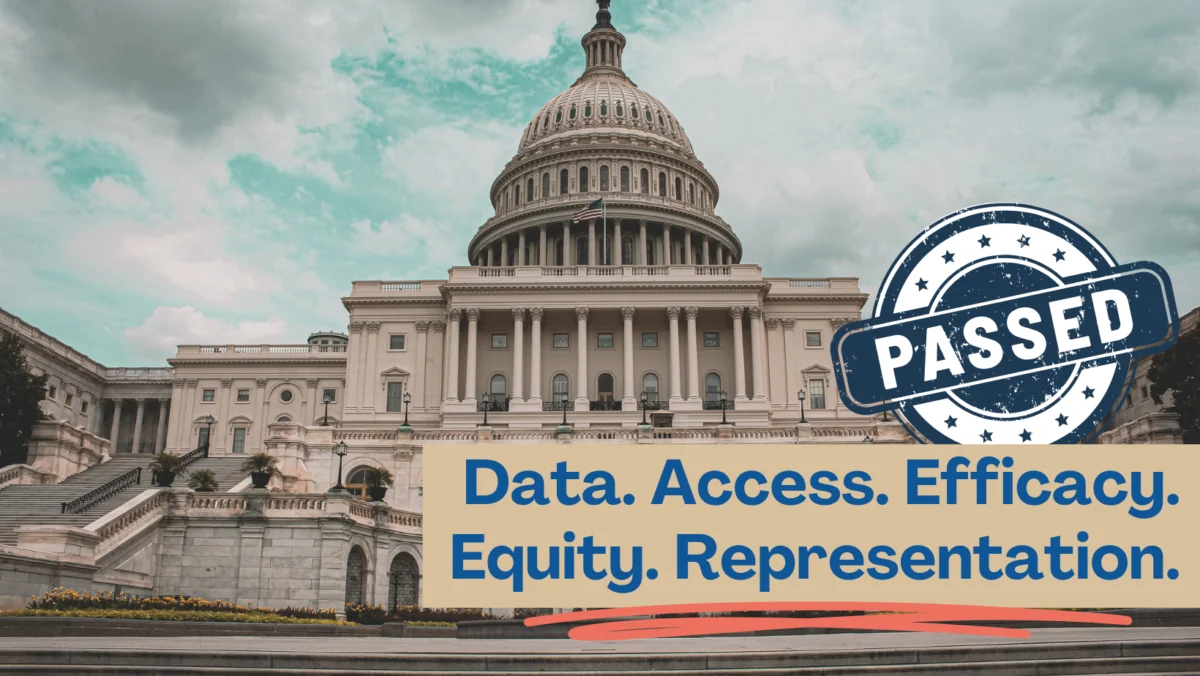
- 2026: The introduction of the Advancing Research for Chronic Pain Act (ARCPA) marked the current peak of advocacy. This legislation seeks to codify the necessity of high-quality, real-time population data, ensuring that the federal government moves beyond sporadic reporting to consistent, actionable surveillance of chronic pain conditions.
Supporting Data: Why "Counting" Chronic Pain Matters
The first pillar of effective policy is visibility. If we cannot count it, we cannot address it. ARCPA would mandate that the CDC analyze and publish extensive data on chronic pain, covering demographics, socioeconomic status, geographic disparities, and comorbidities.
Why is this data so critical? Without it, research remains blind. We currently lack a comprehensive map of the "pain landscape" in America. Are certain regions suffering from higher rates of specific, undiagnosed conditions? Are women or minorities being systematically underserviced in specific therapeutic categories? By requiring the government to capture this data, we transition from anecdotal evidence to a data-driven strategy that can allocate research dollars to the areas of greatest need.
Eight Pillars of Policy-Driven Reform
1. Standardizing Population Data
By formalizing the collection of pain metrics, we hold institutions accountable. This allows for a granular understanding of how age, race, and environment influence the pain experience, transforming abstract statistics into targeted healthcare interventions.
2. Economic Accountability
The current inefficient system of "trial and error" care is a financial black hole. By tracking the costs of misdiagnosis and ineffective treatments, we can prove to insurers and policymakers that investing in multidisciplinary, evidence-based pain centers is actually a cost-saving measure in the long term.
3. Strengthening Research Innovation
Federal funding is the engine of medical discovery. Policy that requires the inclusion of patients in the research-prioritization process ensures that scientific ingenuity is balanced with practical, patient-centered goals.
4. Precision Pain Medicine
"One-size-fits-all" is the enemy of pain management. We need legislative support for research that focuses on phenotypes and individual responses to treatment, moving us away from throwing darts at a wall and toward a model of precision medicine.
5. Breaking Down Access Barriers
Geographic and logistical hurdles, coupled with restrictive insurance utilization management (such as "fail-first" protocols), prevent millions from accessing the care they need. Protecting telehealth access and reforming payer practices are essential legislative tasks that can instantly widen the bottleneck of patient access.
6. Ensuring Equity
Disparities in care are a stain on the medical profession. By mandating the collection of demographic data, we can finally pinpoint the exact locations and groups where systemic bias exists, forcing a shift in resource allocation to ensure equitable treatment for all, regardless of race, gender, or income.
7. Centering the Patient Voice
Policy-making has historically excluded those with the most at stake. Including people with lived experience in the design of clinical trials and the drafting of medical guidelines ensures that "success" is defined not just by a number on a pain scale, but by the restoration of function and quality of life.
8. Turning Evidence into Practice
The 2019 Task Force recommendations remain the North Star of pain care, but they must be widely disseminated and adopted. Policy must facilitate the translation of these best practices into the daily operations of primary care physicians, who are often the first line of defense for patients.
Official Responses and Political Momentum
The introduction of ARCPA has been met with broad, bipartisan support. Legislators involved in the bill have highlighted that the chronic pain crisis is a matter of national economic and social health. By unifying a coalition of over 70 patient and provider groups, the U.S. Pain Foundation has demonstrated that the community is no longer a collection of disparate voices, but a singular, powerful force for change.
The political consensus is clear: the current systemic failure to manage chronic pain is unsustainable. The support for ARCPA reflects a growing awareness that the cost of inaction—measured in lives lost to despair and billions in lost economic productivity—far outweighs the cost of implementing these systemic changes.
Implications for the Future
The implications of these legislative efforts are profound. If successful, we move toward a future where chronic pain is treated with the same scientific rigor and institutional priority as cancer or cardiovascular disease. We shift the needle from a reactive, pharmaceutical-heavy model to a proactive, multidisciplinary system that respects the complexity of the human experience.
Policy can feel detached from the daily agony of chronic pain, but it is the ultimate lever for change. When we advocate for the passage of bills like ARCPA, we are not just asking for a change in statute; we are asking for a change in the philosophy of care.
For the 60 million Americans living with pain, this is a call to action. To see progress, we must continue to register for advocacy alerts, engage with our representatives, and ensure that our stories are heard in the halls of power. As we move forward, we do so under the banner of #OneVoiceForPain—a collective commitment to transforming the policy landscape so that one day, no person with pain is left behind in the search for relief.