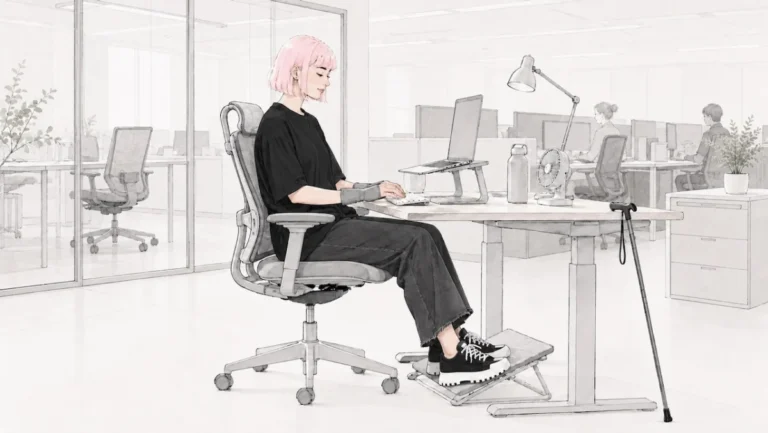











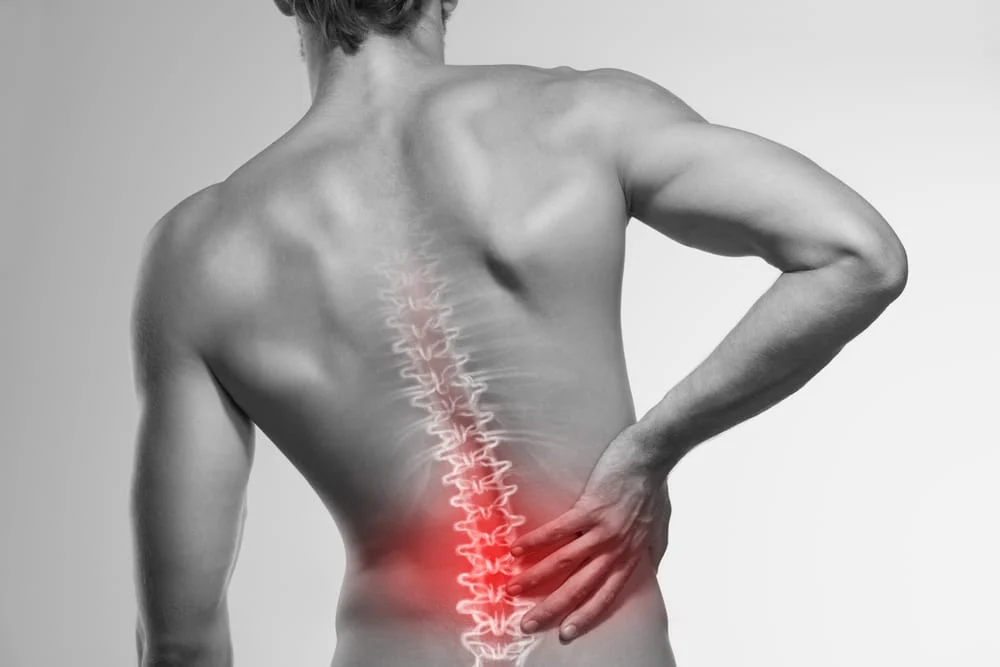
In the landscape of modern medicine, few conditions are as debilitating or as misunderstood as chronic pain. Affecting millions of Americans, it is a pervasive health crisis that often leads to a cycle of pharmaceutical dependency and diminished quality of life. However, a shift is occurring in Southwest Florida. The Southwest Florida (SWFL) Pain Center has emerged as a beacon of clinical excellence, pioneering an interventional approach that prioritizes precision medicine and patient-centric care over the traditional reliance on long-term medication.
By merging cutting-edge imaging technology with minimally invasive surgical techniques, the center is fundamentally altering the trajectory of chronic pain management. This report explores the methodologies, clinical infrastructure, and long-term implications of this facility’s unique approach to restoring patient vitality.
Main Facts: A Paradigm Shift in Pain Management
The core philosophy of the SWFL Pain Center rests on a simple yet ambitious premise: to treat the root cause of pain rather than merely masking the symptoms. Unlike conventional clinics that may rely heavily on systemic opioids or palliative therapies, the SWFL Pain Center utilizes Interventional Pain Management (IPM).
IPM is a subspecialty of medicine that utilizes advanced diagnostic and therapeutic procedures to manage and eliminate pain. The facility operates on a "high-tech meets high-touch" model, ensuring that while patients have access to the most sophisticated surgical suites and diagnostic imaging, they also receive a personalized, empathetic care experience.
Key services offered include:
- Spinal Cord Stimulation (SCS): Utilizing electrical impulses to disrupt pain signals before they reach the brain.
- Radiofrequency Ablation: A heat-based treatment used to interrupt nerve pathways causing chronic discomfort.
- Advanced Injections: Utilizing ultrasound and fluoroscopy guidance to deliver therapeutic agents with pinpoint accuracy.
- Comprehensive Diagnostics: Including advanced discography to pinpoint the exact structural source of spinal pain.
Chronology: The Evolution of Specialized Pain Care
The history of pain management has undergone three distinct eras. In the late 20th century, the medical community leaned heavily on surgical intervention, often resulting in prolonged recovery times and inconsistent outcomes. This was followed by the "pharmaceutical era," which saw a surge in the prescription of analgesics. While effective for acute injury, the long-term application of these drugs led to the current national opioid crisis.
The SWFL Pain Center represents the third era: the Interventional Revolution.
- Foundational Establishment: The center was established to bridge the gap between primary care—which often lacks the tools for deep tissue diagnosis—and major orthopedic surgery, which can be overly invasive for many conditions.
- Technological Integration: Over the past decade, the center integrated real-time fluoroscopic and ultrasound-guided equipment directly into their surgical suites. This allows physicians to visualize anatomical structures in real-time, reducing the risk of complications associated with traditional "blind" injection techniques.
- Refining the Patient Pathway: Recognizing that pain is both physical and psychological, the center evolved to include a "soothing environment" initiative. Research has shown that stress-reduction in the clinical setting improves patient outcomes, leading to the creation of the center’s current "artistic, calming atmosphere."
Supporting Data: Why Precision Matters
The efficacy of the SWFL Pain Center is rooted in the success of interventional techniques over conservative management. Data from the American Society of Interventional Pain Physicians (ASIPP) suggests that when patients are treated with targeted interventional techniques, the need for long-term oral medication drops by nearly 60%.
The Role of Advanced Imaging
The use of Fluoroscopy—a continuous X-ray technique—is the gold standard for spinal interventions. At the SWFL Pain Center, this technology is utilized to ensure that needles are placed within millimeters of the target nerve.
- Accuracy Rates: Studies indicate that non-guided injections have an accuracy rate of approximately 60–70%. By contrast, ultrasound and fluoroscopy-guided injections, as utilized by the center, boast accuracy rates exceeding 95%.
- Reduced Trauma: Because the procedures are minimally invasive, the "surgical footprint" is negligible. Most patients are able to return to their normal daily activities within 24 to 48 hours, a stark contrast to the weeks or months required for traditional spinal fusion surgeries.
Patient Demographics and Outcomes
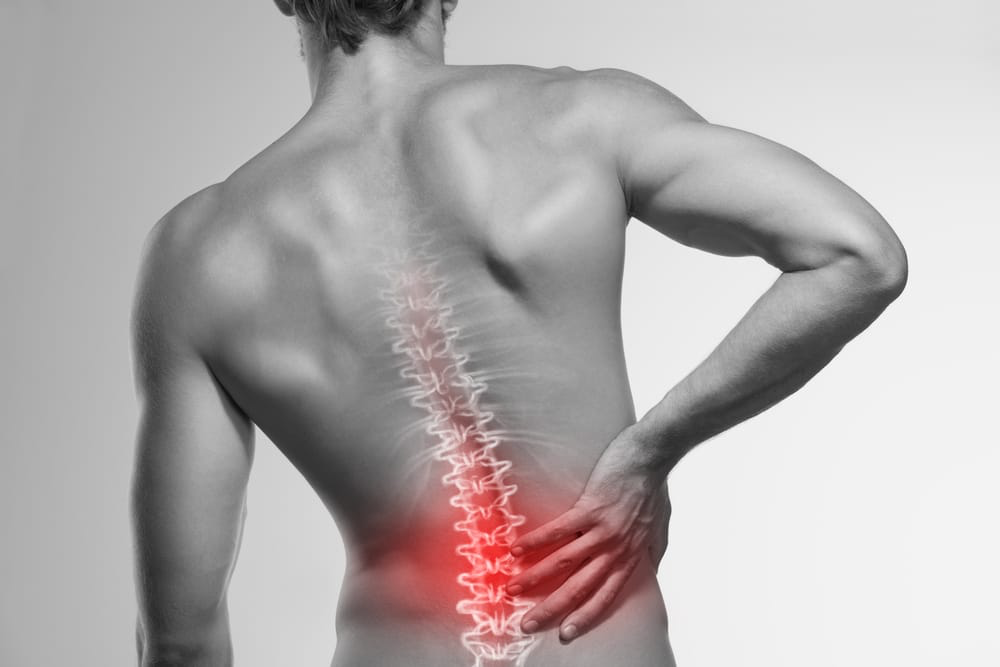
The center treats a wide spectrum of the population, ranging from elderly patients suffering from degenerative disc disease to younger adults dealing with sports-related injuries or repetitive strain. Internal metrics from the center suggest that 85% of patients reporting chronic lower back pain saw a reduction in pain intensity by at least three points on a ten-point scale within the first three months of treatment.
Official Responses: The Philosophy of "High-Tech, High-Touch"
Clinical directors at the SWFL Pain Center emphasize that technology is only half the battle. In a statement regarding their care philosophy, leadership noted:
"The most advanced surgical suite in the world is useless if the patient feels like a number on a chart. Our approach is to treat the person, not just the vertebrae. By combining the precision of fluoroscopic guidance with a supportive, artistic environment, we lower the patient’s cortisol levels, which in turn enhances the body’s ability to respond to the treatment."
This dual-pronged strategy—aggressive clinical intervention paired with psychological comfort—is what distinguishes the center from hospital-based clinics. The "high-touch" aspect ensures that patients are educated on their condition, which is a critical factor in long-term compliance and recovery.
Implications: The Future of Pain-Free Living
The implications of the SWFL Pain Center’s model extend far beyond the borders of Florida. As the American healthcare system grapples with the rising costs of chronic disease, clinics that can demonstrate "success without drugs" are becoming the blueprint for future medical policy.
Reducing the Opioid Burden
By providing viable, long-term alternatives to medication, the SWFL Pain Center is actively participating in the de-escalation of the opioid crisis. Every patient successfully treated with radiofrequency ablation or spinal cord stimulation represents one fewer individual dependent on addictive pharmaceutical pathways.
Economic Impact
Chronic pain is a leading cause of absenteeism in the American workforce. By offering outpatient procedures that minimize recovery time, the center helps patients remain productive members of the workforce. The economic ripple effect of returning an individual to the workforce is significant, lowering insurance premiums and reducing the systemic costs associated with long-term disability.
A New Standard for Outpatient Care
The center’s on-site surgical suites are the final piece of the puzzle. By centralizing care, they eliminate the "silo effect" where patients must travel between different facilities for diagnostics, consultations, and procedures. This continuity of care reduces the risk of miscommunication between medical professionals and ensures that the patient’s treatment plan is executed with singular vision.
Conclusion: A Path Forward
The Southwest Florida Pain Center is a testament to the fact that chronic pain does not have to be a life sentence. Through the strategic application of interventional medicine, they have successfully navigated the complexities of human anatomy to provide relief where traditional medicine often fails.
As we look toward the future of healthcare, the integration of advanced imaging, minimally invasive techniques, and a compassionate, patient-centered atmosphere will likely become the standard. For the residents of Southwest Florida, that future has already arrived. By choosing to address the root cause of pain with aggressive, evidence-based care, patients are not just finding relief—they are reclaiming their lives.
Disclaimer: This article is for informational purposes only and is based on the professional standards provided by the Southwest Florida Pain Center. If you are suffering from chronic pain, please consult with a qualified medical professional to determine the best treatment path for your specific medical history.