






BARCELONA, Spain – In a breakthrough that marries clinical rigor with the unconventional, researchers have unveiled findings suggesting that laughter—often cited as the best medicine—may indeed serve as a legitimate, non-pharmacological intervention for patients suffering from Chronic Obstructive Pulmonary Disease (COPD).
Presented on Monday, September 7, 2026, at the European Respiratory Society (ERS) Congress in Barcelona, the study demonstrates that "laughter therapy" is not merely a mood booster. When practiced as a structured exercise, it rivals traditional pulmonary rehabilitation techniques in reducing breathlessness and improving the quality of life for those living with this debilitating, often life-limiting, respiratory condition.
The Clinical Challenge: A Heavy Breath
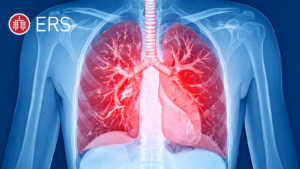
Chronic Obstructive Pulmonary Disease is a progressive, irreversible lung condition characterized by inflammation and the narrowing of airways. For the millions of people diagnosed worldwide, the disease is a constant, exhausting struggle. It is a leading cause of global disability and premature mortality, stripping individuals of their independence as simple daily tasks—walking to the mailbox, climbing a flight of stairs, or even getting dressed—become monumental feats of physical endurance.
Standard care for COPD typically involves a combination of bronchodilator inhalers, pulmonary rehabilitation, exercise programs, and vaccinations to prevent exacerbations. However, these treatments often fall short of addressing the holistic burden of the disease. As patients face the psychological toll of chronic illness—anxiety, social withdrawal, and feelings of helplessness—the need for low-cost, accessible, and effective complementary therapies has never been more urgent.
Chronology of the Study: From Theory to Practice
The research, conducted at the Ankara Bilkent City Hospital in Türkiye, was led by Dr. Goncagul Aldan, a lecturer and nurse graduate from Hacettepe University. The study design was meticulously structured to compare the efficacy of laughter therapy against established medical protocols.
The Methodology
The trial enrolled 63 patients, all of whom were diagnosed with COPD. Participants were randomly divided into three distinct cohorts:
- The Laughter Therapy Group: Tasked with performing specific, rhythmic laughter-based exercises.
- The Pursed-Lip Breathing Group: Tasked with the "gold standard" conventional technique where patients inhale through the nose and exhale slowly through pursed lips.
- The Control Group: Who received no formal breathing or laughter interventions.
The Intervention Protocol
For eight weeks, patients in the two treatment groups engaged in a structured 30-minute practice session three times per week. To ensure consistency and safety, participants were initially trained face-to-face. Throughout the eight-week period, researchers maintained contact via video calls and text messaging to support adherence and troubleshoot challenges.
The laughter therapy protocol was surprisingly diverse, focusing on the mechanical act of laughter rather than spontaneous amusement. Exercises included:
- Rhythmic Clapping: Combined with specific vocalizations to engage the diaphragm.
- Playful Mimicry: Exercises designed to mimic sounds like a motorcycle engine starting or the roar of a lion, which forced the participants to regulate their breath.
- Laughter Meditation: A period of spontaneous, unforced laughter.
- Relaxation Cycles: Concluding each session with calm breathing and smiling to ground the patient.
Supporting Data: The Results
The findings, which were assessed before, during, and after the eight-week trial, painted a clear picture of efficacy.
Reductions in Dyspnea
The most significant outcome was the reported reduction in "dyspnea"—the clinical term for shortness of breath. Both the laughter therapy group and the pursed-lip breathing group reported marked improvements compared to the control group. Crucially, the researchers noted that these benefits were not fleeting; the positive effects were sustained for at least one month after the formal intervention concluded.
Physical and Emotional Synergy
While both groups saw improvement, the data suggests that laughter therapy provides a unique mechanism for relief. In COPD, the collapse of small airways during exhalation traps "stale" air in the lungs, leaving little room for fresh oxygen. Pursed-lip breathing works by creating a gentle back pressure that keeps airways open longer.
Dr. Aldan suggests that laughter functions similarly by exercising the respiratory muscles and promoting a more complete, forced exhalation. Furthermore, the act of laughter triggers the release of endorphins—the body’s natural "feel-good" chemicals—which provides a dual benefit: physical relief through better airflow and emotional relief through the reduction of stress-induced tension.
Official Perspectives: A Path Forward
The medical community has responded with cautious optimism, viewing the Ankara study as a pivotal stepping stone toward more personalized, accessible pulmonary care.
The Investigator’s Vision
Dr. Goncagul Aldan emphasizes that the objective of the study was not to replace medicine, but to empower patients. "Managing COPD requires more than medication alone," Dr. Aldan stated during the presentation. "Patients need a holistic approach to help them cope with the physical burden and the psychological impact. Laughter therapy is accessible, enjoyable, and costs nothing. It provides a way for patients to feel in control of their breath, even from the comfort of their own homes."
Expert Validation
Dr. Marc Miravitlles, Vice President of the European Respiratory Society and a consultant at Vall d’Hebron University Hospital, noted the significance of the trial’s simplicity.
"COPD is a serious, long-term condition for which we have no cure," Dr. Miravitlles remarked. "While this is a small study, it is exceptionally well-run. What makes these results exciting is the low-cost nature of the intervention. In many parts of the world, specialized rehabilitation equipment is not available or affordable. If we can teach patients to use their own breath—whether through pursed-lip exercises or laughter—to manage their symptoms, we are providing them with a tool that transcends socioeconomic barriers."
Implications: The Future of Pulmonary Care
The success of this pilot study has opened the door for broader research. The Ankara team is currently planning to scale up the study, hoping to recruit larger, more diverse cohorts and collaborate with international researchers to see if laughter therapy yields similar results across different cultures and clinical environments.
The "Democratization" of Treatment
The implications for healthcare systems are profound. If validated on a larger scale, laughter therapy could be integrated into community-based care programs. It offers:
- Zero Equipment Costs: No inhalers, oxygen tanks, or machines required.
- Patient Autonomy: Once learned, the therapy belongs to the patient, increasing self-efficacy.
- Mental Health Benefits: Addressing the depression and isolation that often accompany chronic respiratory failure.
Addressing the Unknowns
Despite the excitement, the medical establishment remains committed to rigorous verification. Dr. Aldan acknowledged that the exact physiological mechanisms—specifically how laughter impacts the microscopic changes in damaged lung tissue—remain poorly understood. The upcoming research will likely employ advanced imaging and spirometry testing to map exactly how these laughter-based muscular contractions impact lung function over time.
As the ERS Congress in Barcelona concludes, the consensus is clear: while medical science continues the hunt for a cure, the "medicine" of the future may well include a prescription for laughter. For the millions of COPD patients who struggle for every breath, the ability to find relief in a roar, a giggle, or a rhythmic vocalization represents a significant step toward reclaiming their daily lives.
As Dr. Miravitlles concluded, "We are always looking for ways to help patients live normal lives despite their condition. This study reminds us that sometimes, the most effective tools are the ones we already possess."