








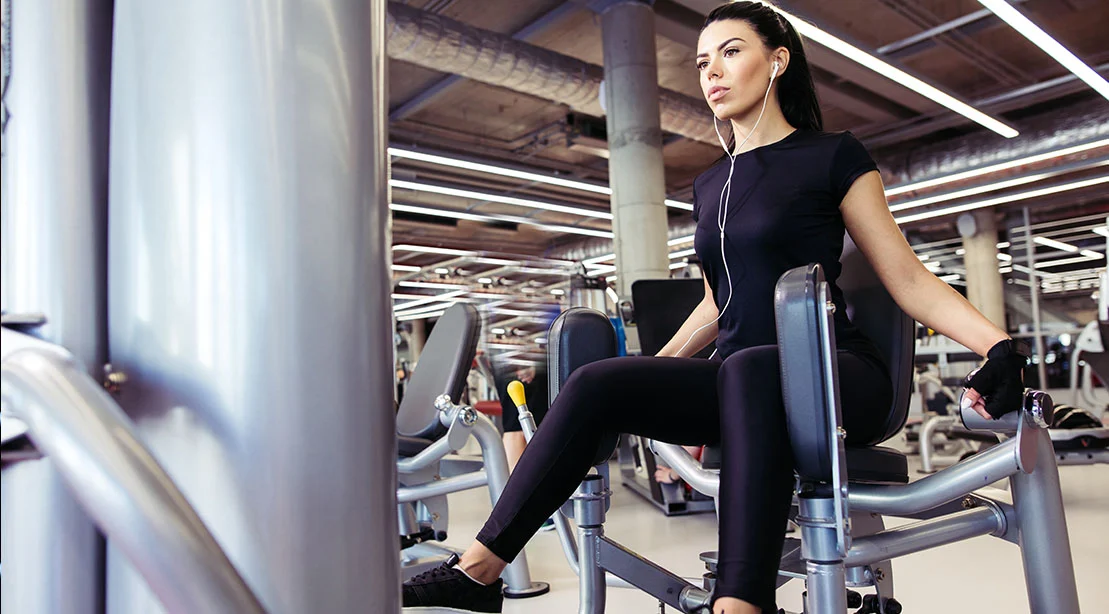
The hip adduction machine—colloquially known as the "yes/no" machine—occupies a strange, often ridiculed space in the modern fitness landscape. For the average gym-goer, the act of sitting down, splaying one’s legs, and squeezing them back together against resistance feels less like a serious athletic endeavor and more like an exercise in awkwardness.
It carries a heavy stigma: it is a fixed-path machine, it is perceived as a "fluff" tool for spot-toning, and it is frequently subjected to the "three strikes" rule of gym culture—if it’s a machine, if it looks like rehab, and if you have to avert your gaze to avoid making eye contact while using it, it must be useless.
But look past the reputation, and you find a misunderstood powerhouse. The adductor complex—a group of muscles running along the inner thigh—is far more than a "toning" target. It is a critical component of human movement, hip stability, and lower-body power. As the fitness industry pivots toward more evidence-based programming, it is time to reassess whether this maligned machine has earned its place in a serious training regimen.
The Anatomy of the Adductors: More Than Just "Inner Thighs"
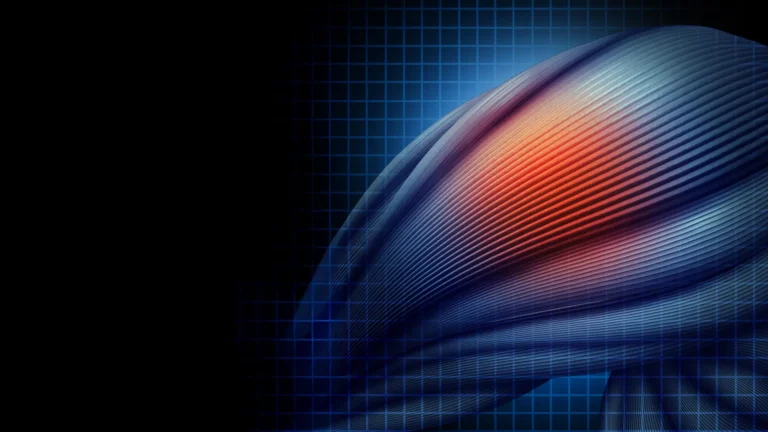
To understand why the hip adduction machine warrants a spot in your routine, you must first understand the anatomy involved. The adductor group consists of the adductor longus, adductor brevis, and the powerful adductor magnus.
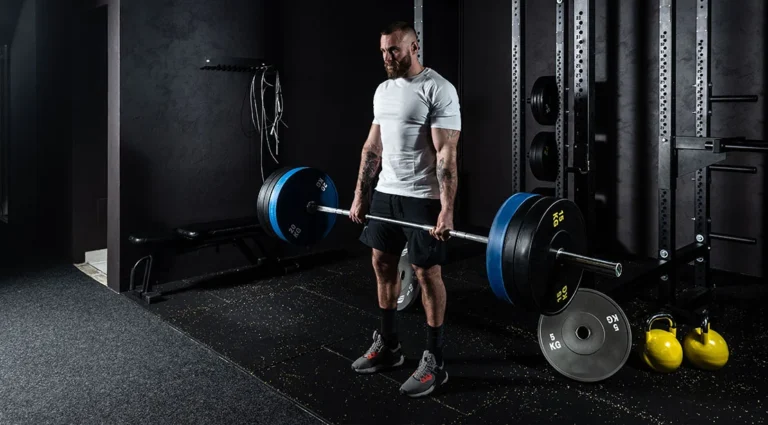
While gym culture focuses on the "mirror muscles" like the quadriceps and glutes, the adductor magnus is a massive muscle that acts as a significant hip extensor. When you drive through the floor in a heavy deadlift or rise from the bottom of a deep squat, your adductors are working in concert with your glutes and hamstrings.
"The hip adductors are a huge muscle mass," explains physical therapist Dan Swinscoe. "So, training them is objectively good for you." By dismissing them as merely "inner thigh muscles," lifters overlook the fact that these muscles are vital for pelvic stability and force production. If your adductors are weak, your body will often compensate, leading to decreased performance in compound lifts or, worse, chronic groin discomfort.
The Evolution of the "Yes/No" Machine: A Chronology
The history of the adduction machine is inextricably linked to the bodybuilding boom of the 1970s. During this era, the focus was on isolation: sculpting the physique by targeting individual muscle groups with surgical precision. The machine was designed to provide a high-tension, stable environment where the adductors could be fatigued without the systemic exhaustion associated with heavy barbell work.
However, as the "functional training" movement gained momentum in the early 2000s, the reputation of fixed-path machines began to crater. Coaches began championing movements that required balance, coordination, and athletic transfer—exercises like the Bulgarian split squat, the Cossack squat, and the Copenhagen plank.
The adduction machine, by contrast, remained static. It became the symbol of everything "non-functional." It was easy to use, required zero core stability, and didn’t mimic the athletic patterns of sprinting or jumping. Consequently, it was pushed to the corners of the gym, relegated to the "rehab" section or ignored by those chasing the "hardcore" aesthetic of the squat rack.
Supporting Data: Why Function Isn’t Everything
The argument against the machine often rests on the idea that compound lifts—squats and deadlifts—already provide enough stimulus for the adductors. While it is true that these movements engage the adductors, there is a nuance in the research that advocates for direct isolation.
A significant 2025 study highlighted the biomechanical importance of the adductor magnus, finding that its torque-producing capacity for hip extension is more than twice that for adduction. This reveals that the adductor magnus is a primary driver of lower-body power.
Furthermore, clinical research on injury prevention offers a compelling defense. In a landmark study of male soccer players, an adductor-strengthening program—which utilized exercises like the Copenhagen side plank—reduced the risk of groin injuries by 41% over a single season. While this doesn’t explicitly confirm that the machine is the only way to achieve this, it proves that targeted, isolated adductor strength is a non-negotiable component of injury resilience.
Think of it this way: a bodybuilder performs bicep curls even though chin-ups train the biceps. They do so to increase volume and ensure the muscle is pushed to failure without the nervous system being fried by the compound movement. The adduction machine serves the exact same purpose for the lower body.
Expert Perspectives: Does It Belong in Your Routine?
We spoke with several strength coaches to gauge the current professional consensus. The consensus is surprisingly balanced.
"It is hard to sell the average gym-goer on the value of hip adduction strength," says strength coach Gareth Sapstead. "For these people, the machine has genuine value because it’s easy to set up, has a low learning curve, and has very few moving parts that can go wrong. It’s an efficient way to accumulate volume."
However, experts like physical therapist Justin Farnsworth caution against over-reliance. "Stronger muscle isolation is still a stronger muscle," Farnsworth notes. "But the adductors do more to stabilize the hip than to squeeze your knees together. The machine isolates a single function—adduction—in a stable seat. It doesn’t teach the hip how to stabilize the pelvis during dynamic, multi-planar movement."
The takeaway from the experts is clear: The machine is an accessory tool, not a foundational movement. It should exist in the shadow of your squats, not as a replacement for them.
Implications: The Risk-Reward Calculus
When deciding whether to incorporate the machine, consider the risk-to-reward ratio.
The Risks:
- Over-loading: Because the movement is restricted to a fixed path, it is easy to stack the weight plate to the top. This can put undue stress on the hip joint and the tendons of the inner thigh.
- Range of Motion: Aggressive, jerky movements into the maximum stretch position can lead to strains.
- False Security: The machine provides stability, which can mask weaknesses in the supporting muscles of the pelvic floor and lower back.
The Rewards:
- Volume without Fatigue: You can train your adductors to failure without the systemic fatigue that comes from high-rep lunges or squats.
- Hypertrophy: For those looking to fill out the inner-thigh region, there is no more efficient way to target that specific fiber orientation.
- Progressive Overload: The machine makes it incredibly easy to track strength gains over time, which is essential for consistent muscle growth.
Practical Programming: How to Integrate the Machine
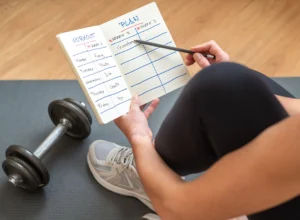
If you are convinced that your program is missing this "missing link," here is how to integrate it without sacrificing your more athletic goals.
The Accessory Protocol
- Placement: Always perform this exercise after your main compound lifts (squats, deadlifts, lunges). Your nervous system should be taxed by the big moves first.
- Volume: Aim for 2 to 4 sets.
- Rep Range: Focus on higher repetitions, between 12 and 25. This ensures you are stimulating the muscle fibers without putting extreme stress on the joint.
- Rest Intervals: Keep rest short—about 90 seconds.
- Progression: Increase the weight in small, incremental steps only after you have mastered the current weight for the full rep range.
Who Should Skip It?
If you are currently struggling with acute groin pain, or if you are a high-level athlete whose time in the gym is limited, you are likely better served by movements that integrate the adductors into dynamic patterns, such as Cossack squats or lateral lunges. These movements provide the same strengthening benefits while simultaneously improving balance and mobility.
The Final Squeeze: A Verdict on the "Yes/No" Machine
The hip adduction machine is a classic case of "gym bullying." It has been labeled "un-athletic" and "non-functional" by a culture that prizes intensity over intelligence. However, if you strip away the social stigma and the misconceptions about its "toning" abilities, you are left with a simple, safe, and highly effective tool for increasing lower-body volume.
The machine isn’t a substitute for a well-rounded leg day. It cannot replace the neurological benefits of a heavy deadlift or the balance requirements of a split squat. But for the lifter who wants to build a more resilient, stronger, and more muscular lower body, it is a piece of equipment that—if used with purpose—earns its keep.
So, the next time you walk past the "yes/no" machine, ignore the whispers of the gym bros and the lingering stigma of the 1970s. Grab a seat, load the weight, and focus on the contraction. Just remember: when you’re in the middle of a set, keep your eyes on the horizon. There’s no need to make it more awkward than it already is.