A landmark population-based cohort study involving nearly 3.7 million children has provided some of the strongest evidence to date linking specific prenatal infections to an increased risk of autism spectrum disorder (ASD) and intellectual disabilities. The research, published in JAMA Pediatrics, shifts the conversation surrounding environmental risk factors for neurodevelopmental conditions, moving away from generalized maternal illness and toward the specific, direct impact of pathogens that can cross the placental barrier.
Main Facts: The TORCH Connection
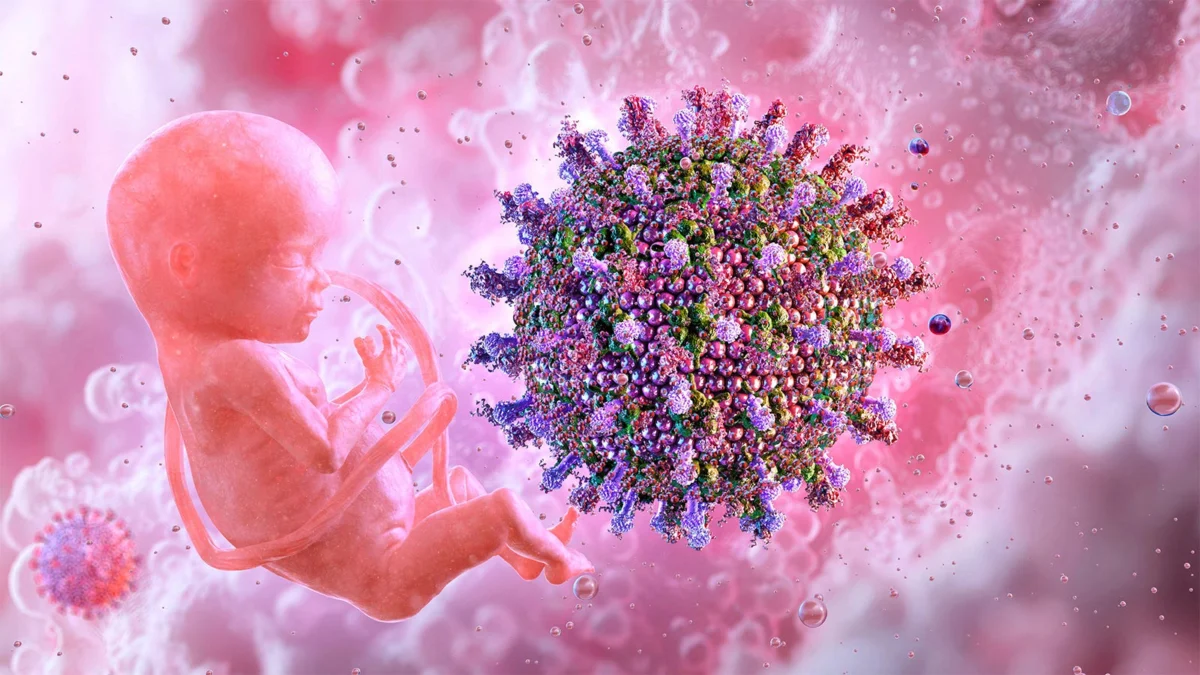
The study focuses on a group of pathogens collectively known as "TORCH" infections: Toxoplasmosis, Other agents (including syphilis), Rubella, Cytomegalovirus (CMV), and Herpes simplex. While these infections are rare, their impact on fetal brain development is profound.
Researchers led by Renee Gardner, PhD, of the Karolinska Institutet in Stockholm, analyzed health records for 3,666,002 children born in Sweden between 1987 and 2021. Among this massive cohort, only 975 children were diagnosed with a congenital TORCH infection within their first year of life—a rate of approximately 2.5 per 10,000 births.
The findings were stark: compared to uninfected children, those exposed to a TORCH infection in utero were three times more likely to develop autism (adjusted HR 3.10) and seven times more likely to be diagnosed with an intellectual disability (adjusted HR 7.22). While TORCH infections account for only a tiny fraction (0.034%) of total autism cases in the general population, the individual risk is significant. Data suggests that roughly one in five infants exposed to a TORCH infection will eventually receive an autism diagnosis.
Chronology of Research and Methodology
The study utilized the Swedish national health registers, which allow for long-term tracking of individuals from birth through adolescence and into adulthood. By spanning over three decades of data, the research team was able to capture the neurodevelopmental trajectories of millions of children, providing a depth of analysis rarely seen in smaller clinical studies.
- Data Collection (1987–2021): Researchers tracked the medical history of over 3.6 million births.
- Diagnostic Identification: Identification of infants diagnosed with TORCH pathogens in their first year of life.
- Comparative Analysis: The team compared these children against the unexposed population, adjusting for variables to account for potential confounding factors.
- Sibling-Based Modeling: To isolate the effect of the infection itself from shared familial or genetic factors, the team performed a sibling-based analysis. This is a critical methodological step, as it accounts for the home environment and genetic predisposition that often complicate studies of neurodevelopmental disorders.
- Adolescent Follow-up: The researchers also assessed the long-term academic performance of 420 children who did not develop autism or intellectual disability but were still exposed to TORCH infections, finding a consistent decline in school performance.
Supporting Data: Dissecting the Pathogens
The study’s data highlights a significant nuance: not all maternal infections are created equal. For years, researchers have noted that common infections (such as the flu or fever-inducing illnesses during pregnancy) are sometimes associated with autism in simple comparisons. However, these associations often disappear when researchers compare siblings, suggesting that the risk may be tied to maternal health habits, genetics, or environmental factors rather than the infection itself.
TORCH infections are different. When Gardner’s team compared siblings, the association with autism and intellectual disability remained robust. This suggests that the pathogen itself is the causative agent, directly damaging the developing fetal brain.
Key Data Points:
- CMV Dominance: Cytomegalovirus accounted for nearly half (49.9%) of all identified TORCH infections. Congenital CMV alone was linked to a 4.57 hazard ratio for autism.
- Neurodevelopmental Specificity: The study revealed that TORCH infections do not cause a "blanket" increase in all neuropsychiatric conditions. For instance, the association with ADHD disappeared in the sibling analysis, and there was no link to obsessive-compulsive disorder or non-affective psychosis (like schizophrenia).
- Cognitive Deficits: Even in cases where a formal diagnosis of autism or intellectual disability was not made, there was a measurable "cognitive tax." Adolescents exposed to TORCH infections showed a drop of 1.50 points in school grades compared to their peers.
Official Responses and Expert Perspective
The scientific community has received the findings with a mixture of concern and a call for urgent public health policy shifts. Dr. Mark Schleiss, an infectious disease expert at the University of Minnesota, provided an editorial accompanying the study, emphasizing that the "disturbingly low" public awareness of CMV is a major public health failure.
"CMV should receive higher public health emphasis as a preventable cause of intellectual disability and ASDs," Dr. Schleiss noted. He specifically advocated for the legislative backing of the Stop CMV Act of 2025, which aims to increase funding for research, screening, and, most importantly, vaccine development.
Dr. Gardner, in her discussion of the findings with MedPage Today, highlighted the biological mechanism: "These pathogens have the unusual ability to cross the placenta and directly infect the developing fetus, including the brain." This direct neurotropism distinguishes TORCH pathogens from other maternal illnesses and explains why the neurodevelopmental outcomes are so specific and severe.
Clinical and Public Health Implications
The implications of this study are far-reaching, particularly for prenatal care and vaccine development. If a significant subset of autism and intellectual disability cases is indeed tied to preventable viral or parasitic infections, the potential for primary prevention is massive.
The Case for Vaccination
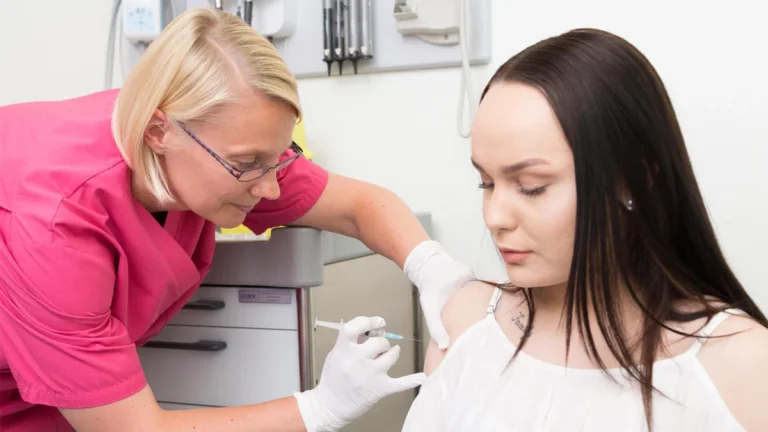
The development of a vaccine for CMV is often framed as a way to prevent hearing loss and developmental delay. However, this study adds a new dimension to that argument: a CMV vaccine could, in effect, act as a prophylactic against certain forms of autism. By preventing the virus from crossing the placenta, clinicians could potentially spare the fetal brain from the inflammatory or direct cytopathic effects that lead to long-term neurodevelopmental divergence.
Limitations and Future Research
Despite the robustness of the Swedish data, the study authors acknowledged several limitations:
- Asymptomatic Cases: Because newborn screening for TORCH is not universal, the study likely captured only the most severe or symptomatic cases. The true prevalence of congenital infection—and its impact on neurodevelopment—might be even higher than reported.
- Timing Uncertainty: While the infections occurred in utero, the exact gestational timing of these infections remains difficult to pin down. Determining whether infection in the first trimester versus the third trimester yields different outcomes remains a primary goal for future longitudinal studies.
Moving Forward: A New Strategy
The study suggests that we need a more targeted approach to maternal health. Instead of viewing all maternal infections as potential risks, clinicians and public health officials should focus resources on the pathogens with proven neurodevelopmental impact.
As the Stop CMV Act gains traction in legislative circles, this study provides the scientific weight necessary to transform prenatal care. If the medical community can shift the narrative from "managing neurodevelopmental outcomes" to "preventing the infectious triggers of neurodevelopmental damage," it may represent one of the most significant breakthroughs in pediatric health in the 21st century.
For families and clinicians, the message is clear: while the genetic architecture of autism remains complex and largely immutable, the environmental component—specifically concerning congenital infections—is a domain where medical intervention, education, and vaccination could alter the life trajectory of thousands of children.