





By Editorial Staff
For more than 15 years, Jana Wu, LCSW, LADC, has stood on the front lines of mental health and substance use treatment. As she approaches her 50th birthday, her clinical observations have evolved into a profound inquiry that challenges the modern medical establishment: Why is the healthcare system so reflexively quick to suppress women’s distress before fully understanding its roots?
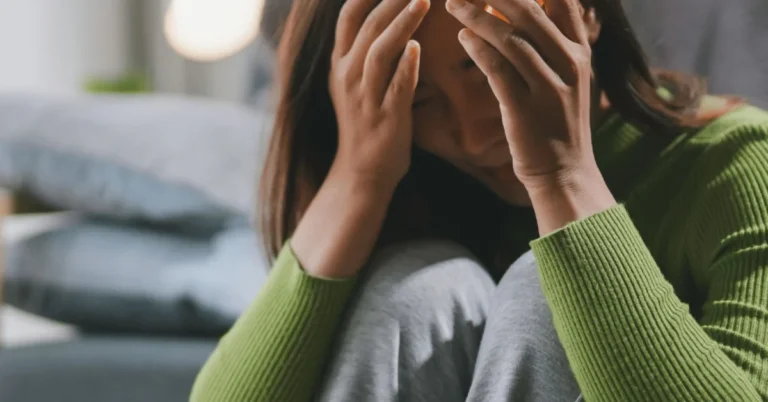
This question has gained urgency as Wu and other clinicians witness a growing trend: women in their late 30s through their 60s turning to kratom—a tropical tree leaf from Southeast Asia—as a self-directed remedy for the crushing weight of anxiety, chronic pain, and fatigue. In an era defined by hyper-productivity, these women are not looking to “get high”; they are looking to keep functioning. They describe kratom as the fuel that allows them to juggle the "sandwich generation" demands of raising children, caring for aging parents, and maintaining professional careers.
However, beneath the surface of this trend lies a historical pattern of medical intervention that prioritizes the silencing of symptoms over the investigation of their causes.
The Historical Continuum: From "Hysteria" to "Mother’s Little Helper"
To understand the current rise of kratom use among women, one must view it through the lens of a long, troubled history regarding the medicalization of female distress.
The 19th Century: The Age of Nervous Disorders
In the 1800s, medicine lacked the nuanced understanding of hormonal shifts and systemic stress. Women who presented with irritability, insomnia, or unexplained pain were often diagnosed with "hysteria" or "neurasthenia." These labels were catch-alls for a society that struggled to accommodate the mental and physical realities of women.
The Mid-20th Century: The Pharmaceutical Boom
By the mid-1900s, the approach shifted from vague diagnostic labels to chemical containment. The introduction of sedatives, followed by tranquilizers like Miltown, signaled a new paradigm: if a woman is distressed by the demands of her life, medicate the distress.
The 1963 debut of Valium accelerated this trend. It became the quintessential prescription for the suburban woman, so ubiquitous that it permeated pop culture. When the Rolling Stones released "Mother’s Little Helper" in 1966, they weren’t just writing a hit song; they were documenting a sociological phenomenon. The lyrics depicted a woman navigating the stifling pressures of domestic life, relying on benzodiazepines to remain “functional.”
Sixty years later, the prescription bottles have changed, but the fundamental issue remains: What happens when the underlying cause of the distress is never addressed?
The Midlife Crucible: Why Women Seek Relief
The modern woman in her 40s and 50s is often navigating a "perfect storm" of biological and situational stressors. Perimenopause introduces physiological volatility, including sleep disruption, mood swings, and spikes in anxiety. Simultaneously, this demographic often carries the heaviest load of emotional and logistical labor in their families.
The Limitations of Conventional Treatment
While benzodiazepines have a legitimate role in acute psychiatric care, they are frequently prescribed for long-term management where they carry significant risks, including physical dependence, cognitive impairment, and severe withdrawal.
The clinical reality is that our current healthcare system is often better equipped to "quiet" a symptom than to investigate the environment that fostered it. When a woman reports that she no longer feels at home in her own body or is gripped by sudden panic, the medical standard is often to prescribe a sedative. This cycle of quick-fix relief rarely addresses the complex interplay of hormonal, psychological, and situational factors that trigger these symptoms.
The Rise of Kratom: A Natural Solution or a New Risk?
Kratom has emerged in this vacuum of support. For many, it represents a search for agency. Users often view kratom as "natural" and "traditional," perceiving it as a safer alternative to the pharmaceutical industrial complex that they feel has failed them.
The Illusion of "Natural" Safety
However, there is a dangerous distinction between "natural" and "risk-free."
- Lack of Regulation: Unlike FDA-approved pharmaceuticals, kratom is largely unregulated in the United States. Potency and purity vary wildly between vendors and batches, making it nearly impossible for a consumer to know the dose they are ingesting.
- The Danger of Interaction: A critical, yet under-discussed, risk is the polydrug use associated with kratom. Many individuals who use kratom to manage daily stressors are simultaneously consuming alcohol, prescribed benzodiazepines, or opioids. Combining these substances—especially those with sedating or opioid-like effects—creates a high risk for respiratory depression and fatal interactions.
Implications for Clinical Practice: Whose Discomfort Are We Treating?
The central, uncomfortable question for clinicians today is: Whose discomfort are we actually treating?
When a physician prescribes a medication to "quiet" a woman, are they treating the patient’s suffering, or are they treating the discomfort of a society that demands women remain consistently functional, regardless of their mental or physical state?
A Shift Toward Holistic Investigation
Clinicians must pivot toward a more patient-centered model that prioritizes curiosity over immediate suppression. This includes:
- Comprehensive Screening: Providers must ask about the use of supplements and unregulated substances like kratom during routine check-ups, without judgment.
- Addressing the Root Cause: Investigating hormonal changes, environmental stressors, and trauma rather than reaching for a prescription pad as the first line of defense.
- Recognizing the "Relief Trap": Understanding that for many women, the transition to substances like kratom often begins with a legitimate clinical interaction years earlier—a moment where they sought help for anxiety, and the solution offered was a pill that merely masked the pain.
Conclusion: The Path Forward
The narrative of women’s health is at a crossroads. We must offer more than a binary choice between enduring severe, debilitating anxiety and relying on a cycle of substance use—whether that substance is a prescribed benzodiazepine or an unregulated botanical.
As researchers and clinicians continue to study kratom and the patterns of use surrounding it, the most important work will be listening. We must recognize that the search for relief is a symptom of a larger, systemic failure to support women through the life-altering transitions of their middle years.
By de-stigmatizing the conversation around why women turn to substances, we can move toward a healthcare model that validates their distress rather than attempting to silence it. True healing does not come from making a woman disappear into her daily responsibilities; it comes from ensuring she has the support, understanding, and resources to thrive while navigating the complexities of her own life.
About the Expert
Jana Wu, LCSW, LADC, ICAADC, CASAC
Jana Wu is a prominent clinician at Mountainside Treatment Center, specializing in the intersection of PTSD, anxiety, and co-occurring substance use disorders. Recognized as a national expert on kratom, Wu founded the first clinician-led support group for kratom use disorder. Her research and commentary have been featured in The Wall Street Journal, Rolling Stone, and on NBC News. She remains a vocal advocate for systemic change in addiction medicine and is a former founder of the Addictions Committee of the Connecticut chapter of the National Association of Social Workers.