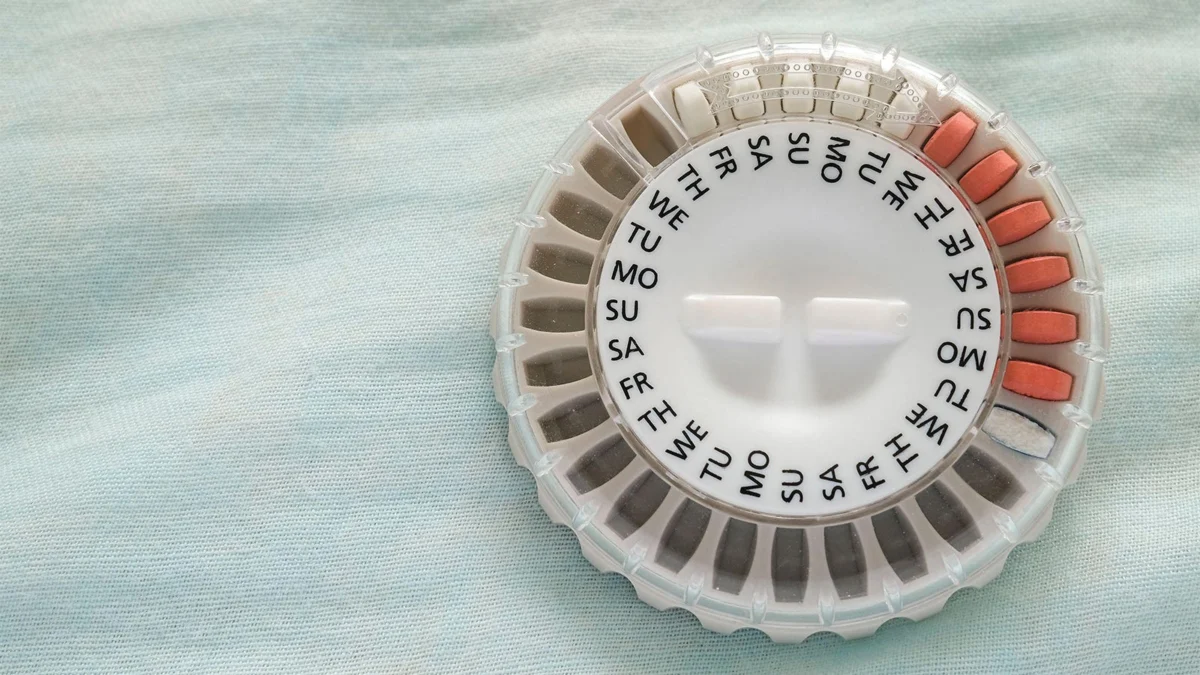
For decades, the medical community has grappled with the complex risk-benefit profile of menopausal hormone therapy (MHT). As millions of women navigate the physical and emotional challenges of menopause, the decision to initiate hormonal treatment remains a significant clinical crossroads. A landmark nationwide study conducted in Denmark and recently published in The BMJ has provided the most granular look to date at how specific variables—method of administration, dosage, and duration—influence the risk of life-threatening thrombotic events.
The study, led by Dr. Julie Berggreen of Nordsjællands Hospital, challenges the notion that hormone therapy can be classified as a binary "safe or unsafe" treatment. Instead, the researchers argue for a highly personalized, nuanced approach to prescribing that accounts for the distinct physiological impact of different delivery systems and hormonal concentrations.
Main Facts: The Intersection of Hormones and Clotting
The study focused on three major cardiovascular endpoints: venous thromboembolism (VTE), ischemic stroke, and myocardial infarction (MI). By analyzing extensive Danish health registry data, the researchers identified clear trends that distinguish oral estrogen therapies from transdermal alternatives.
The primary finding is that oral estrogen, regardless of whether it is combined with progestin, carries an inherent, elevated risk of venous thromboembolism. Specifically, current users of oral estrogen face a hazard ratio (HR) of 1.6 compared to non-users. In absolute terms, this translates to a risk increase of approximately 0.09% per year, or a "number needed to harm" of 1,055 for every year of treatment.
Crucially, the study delineated a "dose-response" relationship regarding arterial health. High-dose oral estradiol (exceeding 1 mg per day) administered for more than one year was significantly associated with a higher risk of stroke (HR 1.5) and myocardial infarction (HR 1.4). Conversely, low-dose oral estradiol appeared to have a neutral effect, showing no statistically significant increase in the risk of these major cardiovascular events.
A Chronological Perspective on MHT Research
The discourse surrounding hormone therapy has undergone a tumultuous evolution over the last twenty-five years.
- The 1990s and Early 2000s: MHT was widely prescribed as a panacea for menopausal symptoms and long-term health, with many believing it protected against cardiovascular disease.
- 2002: The Women’s Health Initiative (WHI) Shock: The publication of results from the WHI study signaled a major turning point, reporting an increased risk of stroke, blood clots, and breast cancer, leading to a precipitous drop in MHT prescriptions worldwide.
- 2010s: Re-evaluation: Subsequent re-analyses suggested that the timing of initiation and the "window of opportunity" (starting therapy early in the menopausal transition) might mitigate risks.
- 2024: FDA Policy Shift: Earlier this year, the FDA removed boxed warnings regarding cardiovascular disease, breast cancer, and dementia from MHT labels, reflecting a more sophisticated understanding of the data.
- 2025: The Danish Study: The findings published in The BMJ represent the current state-of-the-art in observational research, moving beyond the "all hormones are bad" rhetoric to examine the specific mechanics of administration and dosage.
Supporting Data: Dissecting the Methodology
The study was robust in its scale, encompassing Danish health records for women aged 50–69 between 2003 and 2021. The researchers meticulously matched 9,807 women diagnosed with VTE, 18,460 with ischemic stroke, and 11,974 with myocardial infarction against 49,035, 92,300, and 59,870 control subjects, respectively.
To ensure the validity of the data, the analysis was adjusted for a wide array of confounding factors, including:
- Comorbidities: Hypertension, atrial fibrillation, diabetes, kidney disease, and chronic obstructive pulmonary disease (COPD).
- Medication history: The use of statins, bisphosphonates, anticoagulants, antidepressants, and antipsychotics.
- Socioeconomic indicators: Income and education levels were accounted for to normalize the data against lifestyle-related health disparities.
Despite these adjustments, the study authors acknowledged inherent limitations. As an observational study, it cannot definitively prove cause and effect. Furthermore, the dataset lacked specific information on body mass index (BMI), smoking habits, and the age at which participants reached menopause—all of which are critical modifiers of cardiovascular risk. Additionally, the relative lack of ethnic diversity in the Danish population means these findings may not translate perfectly to more diverse demographic groups in other parts of the world.
The Transdermal Advantage: Why Delivery Matters
A pivotal takeaway from the study is the comparative safety of transdermal (patch or gel) therapy. Dr. Robert Storey of the University of Sheffield, who was not involved in the research, explains the biological mechanism at play:
"Taking oral estrogen replacement leads to a spike in the level that stimulates the liver to increase production of factors that stimulate blood clot formation," Storey noted. "Estrogen replacement patches do not carry the same risk since they do not stimulate the liver in the same way, as the hormone bypasses the initial digestive metabolism."
The study confirmed this biological hypothesis, showing that transdermal therapy resulted in a significantly lower risk profile. While there was a slight elevation in the risk of myocardial infarction with combined cyclic transdermal therapy (HR 2.1), the researchers highlighted that this delivery method generally offers a safer alternative for patients concerned about thrombotic events.
Official Responses and Clinical Implications
The accompanying opinion piece by co-author Dr. Amani Meaidi of Copenhagen University Hospital emphasizes that the goal of this research is not to induce alarm, but to foster clinical clarity.
"These findings do not support describing menopausal hormone therapy as simply safe or unsafe," Meaidi wrote. "The results instead suggest that there is no single risk profile for hormone therapy. Risk may depend on the therapy prescribed, the method of use, the dosage, and duration of treatment."
Dr. Meaidi warns against two extremes: returning to an era of unnecessary fear that denies women effective treatment, or conversely, allowing "enthusiasm for menopause care" to ignore the inherent uncertainties and potential dangers. She argues that clinicians must engage in honest, evidence-based conversations with their patients, detailing what is known—such as the clear risks associated with high-dose oral estrogen—and what remains unknown.
Implications for Practice:
- Prioritize Transdermal Options: Given the evidence regarding liver metabolism, clinicians should consider transdermal routes as the first line of defense for women with higher baseline risk factors.
- Dose Optimization: For women requiring oral therapy, the "lowest effective dose" is not just a catchphrase; it is a clinical imperative. High-dose oral therapy should be scrutinized, particularly for those requiring treatment for longer than one year.
- Individualized Assessment: Before prescribing MHT, physicians must conduct a thorough risk assessment. Patients with a history of clotting or high baseline cardiovascular risk require a different therapeutic pathway than low-risk individuals.
- Ongoing Surveillance: Because the risk profile changes with duration of use, regular reassessment of the patient’s need for MHT is essential.
Conclusion: A New Era of Informed Consent
The Danish study serves as a vital tool for both patients and healthcare providers. It reinforces the necessity of moving away from generalized recommendations and toward a personalized model of care. While the FDA’s removal of restrictive boxed warnings is a positive step toward reducing the stigma surrounding hormone therapy, it places a heavier burden of responsibility on clinicians to effectively communicate the complexities of risk.
The future of menopause care lies in this transparency. By acknowledging that safety is a relative term dependent on the method, dose, and individual biology, the medical community can empower women to make choices that align with their quality-of-life goals while minimizing their long-term health risks. The message from the latest data is clear: the conversation around menopause is no longer about whether to treat, but rather how to treat with the greatest precision and the lowest possible risk.