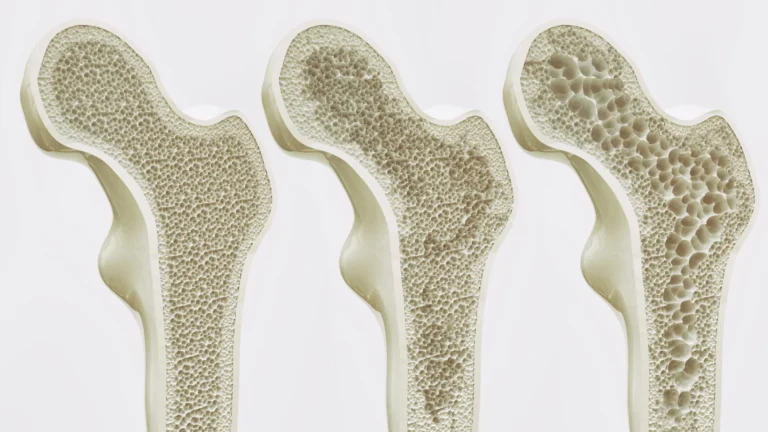








For decades, the standard medical advice for aging populations has been consistent and seemingly simple: to protect your bones, take your calcium and vitamin D. From clinical waiting rooms to the aisles of local pharmacies, these supplements have been marketed as the frontline defense against the fractures and falls that threaten the independence of older adults. However, a sweeping new meta-analysis published in The BMJ has cast a long shadow over this conventional wisdom, suggesting that for the vast majority of older individuals, these supplements offer little to no meaningful protection against bone fractures or falls.
The findings represent a significant departure from established healthcare norms and invite a rigorous re-evaluation of how we approach geriatric health. As the global population ages, the search for effective, evidence-based interventions has never been more urgent.
Main Facts: A Paradigm Shift in Bone Health
The study, conducted by a team of researchers in Canada, synthesized data from 69 randomized controlled trials, representing a massive cohort of 153,902 participants. The objective was to determine whether the routine use of calcium, vitamin D, or a combination of both could effectively reduce the incidence of fractures and falls—two events that frequently act as a catalyst for a decline in health and quality of life for the elderly.
The researchers discovered that for most older people, these supplements are essentially inert when it comes to preventing fractures. Whether taken individually or in combination, calcium and vitamin D failed to meet the threshold for clinical significance. This conclusion holds true for common types of breaks, including the feared hip fracture, and for the frequency of falls themselves.
The study does not claim that calcium and vitamin D are irrelevant to human biology. Calcium remains a foundational structural component of the skeletal system, and vitamin D is essential for the metabolic processes that allow the body to utilize calcium. However, the study draws a crucial distinction: biological necessity does not automatically equate to therapeutic efficacy in supplement form for healthy aging populations.
Chronology of Clinical Guidelines
The rise of calcium and vitamin D supplementation is a relatively modern phenomenon that reflects a shift toward preventative medicine.
- 1980s–1990s: Growing awareness of osteoporosis as a "silent epidemic" led to increased research into bone density. Early observational studies suggested correlations between low calcium/vitamin D levels and bone fragility.
- Early 2000s: Based on these correlations, health agencies and medical associations began formalizing guidelines. Vitamin D, in particular, was championed as a "miracle nutrient" for everything from immunity to bone density.
- 2010–2020: As supplement prescriptions soared, so did the number of randomized controlled trials (RCTs). During this decade, meta-analyses began to show inconsistent results, fueling internal debates among endocrinologists and geriatricians.
- 2024: The current study in The BMJ serves as a culmination of this era, providing the most robust evidence to date that suggests a decoupling of the link between supplement intake and actual fracture prevention in the general aging population.
Supporting Data: Assessing the Evidence
To ensure the highest standard of scientific rigor, the Canadian research team focused exclusively on randomized controlled trials—the "gold standard" of medical evidence. By comparing treatment groups (those receiving supplements) against control groups (those receiving a placebo or no treatment), the team successfully isolated the effect of the supplements from other lifestyle variables.
The breakdown of the evidence is as follows:
- Calcium Supplements: Based on 11 trials involving 9,067 participants, the evidence for a lack of effect was rated as moderate certainty.
- Vitamin D Supplements: With 36 trials covering 92,045 participants, the team found high-certainty evidence that vitamin D alone does not provide a meaningful reduction in fracture risk.
- Combined Therapy: In 15 trials involving 51,126 participants, the combination of calcium and vitamin D—often recommended as the gold standard—also failed to show any significant protective effect.
These findings remained consistent even after researchers adjusted for confounding factors such as age, sex, historical data on previous falls, and the participants’ baseline dietary calcium intake. The breadth of this data makes it increasingly difficult to argue that supplementation is the panacea it was once thought to be.
Important Exceptions and Nuances
While the study is robust, the authors are careful to avoid an "all-or-nothing" narrative. Scientific progress often relies on identifying the exceptions to the rule.
The researchers explicitly state that their findings may not apply to individuals with specific, pre-existing bone disorders. For example, patients already diagnosed with osteoporosis, those undergoing specialized medical treatment for bone density loss, or individuals with severe clinical deficiencies may still require supplementation as part of a therapeutic regimen.
Furthermore, the study does not suggest that people should stop taking supplements if their doctor has prescribed them for a specific medical condition. "Consultation with a healthcare provider is paramount," the researchers note. If an individual has been diagnosed with a malabsorption syndrome or a specific vitamin D deficiency, the physiological need for supplementation remains separate from the broad public health recommendation for the general population.
Official Responses and Clinical Implications
The implications of this study are profound for clinicians and regulatory bodies. The authors of the study have issued a direct call to action, suggesting that guideline panels and regulatory agencies must re-evaluate their recommendations. The current practice of prescribing these supplements to healthy older adults as a "blanket" preventative measure is increasingly viewed as an inefficient use of resources and, in some cases, a potential source of unnecessary side effects.
A Shift in Medical Strategy
The editorial linked to the study, written by external experts, suggests that the focus of geriatric medicine needs to pivot. If pills are not the answer to preventing falls, then what is? The editorial authors emphasize that funding and public health initiatives should be directed toward interventions with proven efficacy:
- Resistance Exercise: Building muscle mass is essential for skeletal support. Strength training programs have been shown to improve bone density and physical stability.
- Balance Training: Falls often occur due to a loss of equilibrium. Targeted exercises, such as Tai Chi or specific physical therapy regimens, have shown a higher success rate in preventing falls than any pharmacological intervention.
- Environmental Hazard Assessment: A significant number of falls occur in the home. Simple, practical steps—such as installing grab bars, improving lighting, and removing tripping hazards—are often more effective than biochemical interventions.
- Individualized Risk Assessment: Rather than a "one-size-fits-all" supplement protocol, clinicians should focus on identifying high-risk patients through screenings and tailoring interventions to their specific physiological and environmental needs.
Conclusion: Rethinking Healthy Aging
The narrative that "more is better" when it comes to vitamins and minerals has dominated the health supplement industry for decades. However, this meta-analysis serves as a sobering reminder that the human body is not a machine that can be easily "topped off" with pills to ensure longevity and structural integrity.
Preventing falls and fractures in the elderly is a complex challenge that requires a holistic view of the aging process. It involves everything from nutrition and physical activity to home safety and medical monitoring. While calcium and vitamin D remain important nutrients for overall health, they are not a substitute for the structural and functional benefits of physical activity and healthy lifestyle choices.
As we move forward, the medical community must embrace the nuance of these findings. By shifting away from routine, evidence-thin supplementation and toward active, movement-based interventions, we can provide older adults with more effective tools to maintain their mobility, independence, and quality of life in their later years. The era of the "magic pill" for bone health is fading, replaced by the necessity of a more integrated, evidence-based approach to the aging body.