






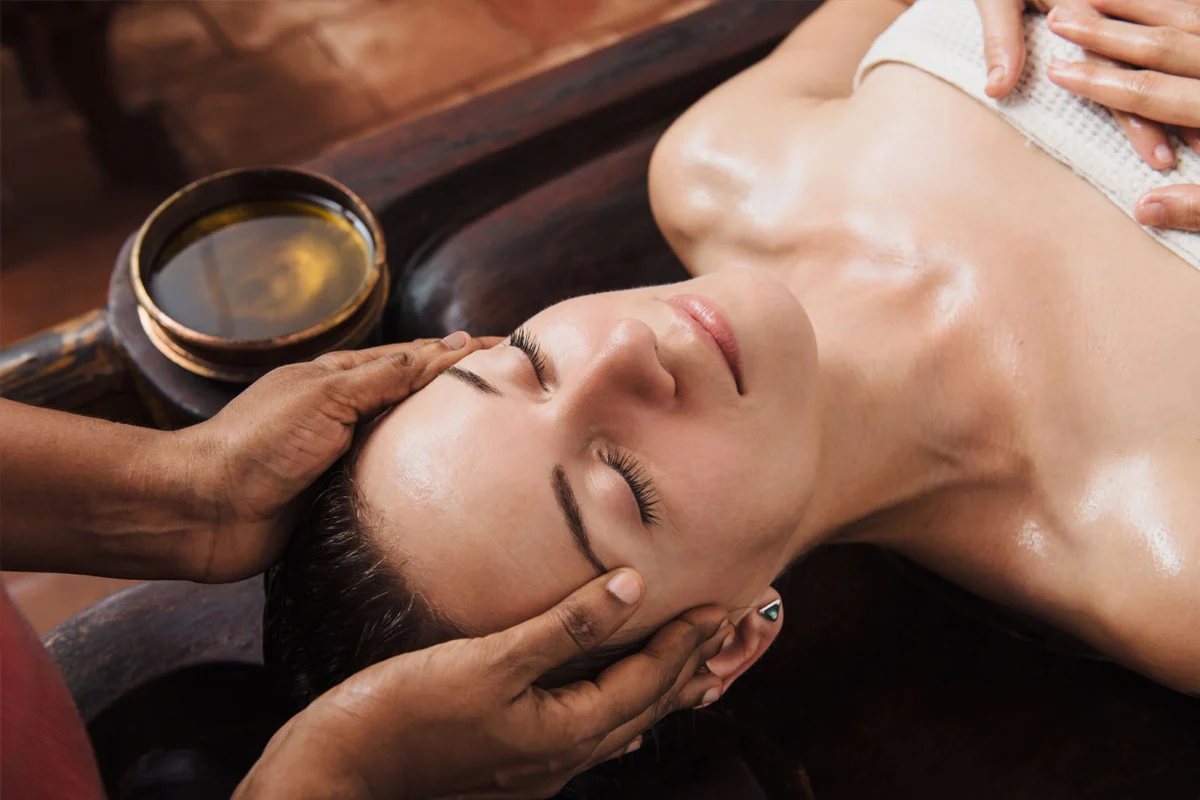
In the landscape of modern healthcare, medicine is frequently reduced to a set of standardized protocols. If a patient presents with a specific symptom, they are often funneled into a predictable, algorithmic treatment path. However, the ancient wisdom of Ayurveda offers a radical departure from this model. In Ayurveda, no two bodies, no two beings, and consequently, no two illnesses are ever identical.
This philosophy of radical individualization is the hallmark of Ayurveda’s success. It recognizes that health is not merely the absence of disease, but a dynamic state of balance unique to every human being. By moving beyond the "band-aid" approach of symptom management, Ayurveda seeks to identify the root cause of an imbalance—a concept known as samprapti.
The Core Philosophy: Moving Beyond Symptoms
The fundamental difference between Ayurveda and conventional allopathic medicine lies in its granularity. Take, for example, the concept of pain. In Western medicine, pain might be treated with a standardized analgesic. In Ayurveda, a practitioner must first identify the "dosha" involved: is the pain Vata-type (sharp, erratic, or dry), Pitta-type (burning or inflammatory), or Kapha-type (dull, heavy, or congestive)?
The complexity deepens when examining chronic conditions. While allopathic medicine generally classifies diabetes into two primary types, Ayurveda recognizes 20 distinct classifications. This is not merely academic; it means the path to healing must be as nuanced as the human fingerprint. The practitioner’s role is that of a specialized guide, deciphering which specific qualities—be it heat, cold, dryness, or heaviness—have veered out of equilibrium.
The Chronology of Transformation: The Panchakarma Process
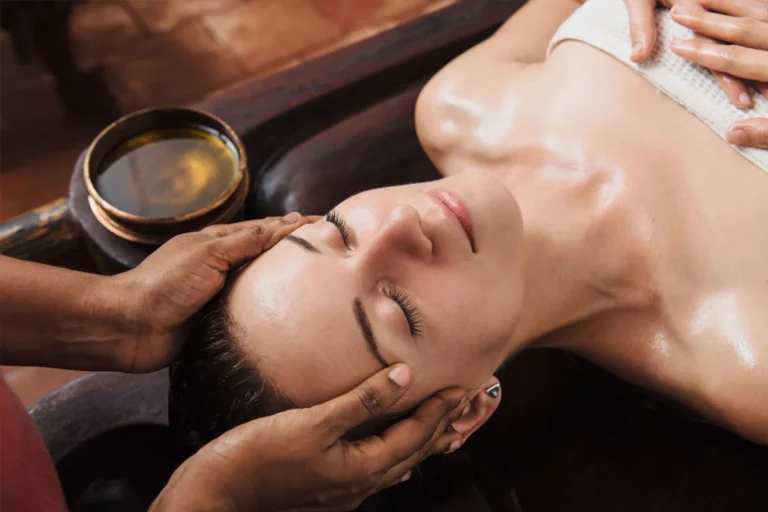
At the heart of Ayurvedic healing lies Panchakarma, a profound, multi-staged detoxification process. Often misunderstood as a simple cleanse, Panchakarma is a highly sophisticated medical intervention that requires meticulous planning. It is not a standardized "spa treatment" but a clinical protocol that must be calibrated to the client’s Prakruti (constitutional state of balance) and Vikruti (current state of imbalance).
The process is structured into three distinct stages: Purvakarma, Pradhanakarma, and Paschyatkarma.
Stage 1: Purvakarma (The Preparatory Phase)
Before any detoxification can occur, the body must be prepared. This phase, Purvakarma, is the "kindling" stage. A practitioner must stimulate the Agni (digestive fire) while initiating internal oleation.
Internal oleation involves the ingestion of medicated ghees or oils designed to soften and dislodge toxins—known as ama—from deep within the tissues. The selection of these substances is highly specific; while one patient may require ginger-infused preparations to stoke their digestive fire, another may require simple hot water. Without this preparatory softening, toxins cannot move effectively into the digestive tract for elimination, rendering the subsequent "main" treatment ineffective.
Stage 2: Pradhanakarma (The Five Actions)
This is the core of the Panchakarma experience, translating literally to "Five Actions." These are the primary therapeutic modalities used to purge the body of accumulated toxins:
- Virechana: Targeting the small intestine, liver, and gallbladder, this purgative therapy is designed to flush excess pitta from the body. It is highly effective for inflammatory conditions.
- Basti: Often referred to as the "king of treatments," this involves the administration of herbalized teas or oils via enema. It primarily targets the large intestine, the seat of Vata dosha. Beyond mere cleansing, Basti is used to nourish the colon wall and restore systemic balance.
- Vamana: A highly specific therapeutic emesis used to pull excess Kapha (phlegm/mucus) from the stomach. This process is strictly indicated for particular imbalances and is not suitable for everyone, underscoring the necessity of practitioner oversight.
- Nasya: The application of medicated oils into the nasal passages. This is the primary route for addressing imbalances in the "head space," including sinus congestion, mental fog, and cognitive clarity.
- Raktamoksha: The traditional method of blood purification. While historical practices involved leeches, modern practitioners in the United States utilize specialized, non-invasive methods to ensure the blood—the source of jivanam (life-force)—is clear of toxins and carrying healthy prana to the tissues.
Stage 3: Paschyatkarma (The Rejuvenation Phase)
The final stage is perhaps the most overlooked. After a deep detoxification, the body is left in a sensitive, "open" state. Paschyatkarma focuses on rebuilding. The practitioner designs a post-detox diet and lifestyle regimen that slowly reintroduces nourishment, ensuring the body’s Agni remains strong as it transitions back to homeostasis. This stage is vital for long-term vitality, as it prevents the re-accumulation of toxins.
Supporting Data: Why Customization Matters
The efficacy of these treatments is entirely dependent on the accuracy of the practitioner’s assessment. Data regarding Agni (strength of digestion) and Ama (toxin accumulation) must be tracked daily throughout the program.
For instance, if a patient with high Vata imbalance is treated with a standard, aggressive Virechana protocol intended for a Pitta imbalance, the results could be physically taxing or even harmful. The "standardization" trap is what many modern wellness centers fall into. Authentic Ayurveda rejects this. Every gram of herb, every milliliter of oil, and every dietary restriction is a data-driven decision based on the patient’s immediate response to the preceding day’s treatment.
Official Perspectives: The Practitioner’s Responsibility
The professional consensus among Ayurvedic experts is that the practitioner is the most critical variable in the success of any treatment. Because the body is a constantly shifting environment, the practitioner must possess the clinical intuition to pivot the treatment plan.
"Without the guidance of an experienced practitioner, the potential for doshic aggravation is significant," notes experts in the field. As Ayurveda gains popularity, the market is becoming flooded with "Ayurvedic-style" centers that lack the depth of clinical training required to navigate these complex physiological shifts.
The industry is currently pushing for higher standards in practitioner education. Schools, such as those associated with the Ayurvedic Institute, are emphasizing that the practitioner’s role is not just to provide a service, but to educate the client on the "why" behind their specific protocol.
Implications for the Future of Wellness
The rise of personalized medicine in the West is, in many ways, an echo of what Ayurveda has practiced for thousands of years. As the limitations of standardized pharmaceutical intervention become clearer, more individuals are seeking holistic pathways that honor their unique biological and energetic composition.
The implication is a shift in the power dynamic of the patient-practitioner relationship. Instead of a passive patient receiving a standardized "cure," the client becomes an active participant in their own wellness journey. By aligning personal values with the clinical precision of a well-vetted Ayurvedic center, individuals can move toward a sustainable, vibrant state of health.
As the industry continues to evolve, the challenge lies in maintaining the integrity of these ancient protocols while adapting them to a modern, fast-paced society. Whether through educational programs or dedicated healing resorts like the SoHum Mountain Healing Resort, the goal remains the same: restoring the individual to their original, balanced state.
For those looking to deepen their understanding of this path, exploring accredited studies programs is the first step in ensuring that the wisdom of Ayurveda is preserved, practiced, and passed on with the necessary expertise and heart.
To learn more about authentic Ayurvedic practices and professional training, visit the Ayurvedic Studies Program or explore the therapeutic environment at SoHum Mountain Healing Resort.