











Published: September 24, 2026
In the modern yoga studio, the sequence is almost liturgical: the teacher instructs you to settle into the breath, observing its pace and texture before gradually deepening the rhythm. Following this, you are inevitably prompted to "tune into your body." For the seasoned practitioner, this is a familiar mantra, but for the novice, it can feel abstract. How, exactly, does one "tune in"?
The answer may lie in the deliberate, circular movements that often serve as the prelude to a session. Those seemingly simple wrist rotations, hip circles, and neck rolls are more than just a way to kill time before the first Downward Dog; they are essential rituals of joint maintenance. However, as physical therapists are increasingly discovering, these movements can be transformed from passive warm-ups into high-performance "body literacy" tools known as Controlled Articular Rotations, or CARs.
Understanding the Mechanics: What are CARs?
Controlled Articular Rotations are not merely stretches; they are a systematic approach to joint health. According to the principles of the Functional Range Systems (FRS), a CAR involves moving a specific joint through its maximum, pain-free range of motion while maintaining absolute stability in the surrounding musculature.
Unlike a standard yoga stretch, which might involve gravity or momentum to pull a muscle into a new position, a CAR is active. It requires the practitioner to "create" the circle using their own neurological control. By isolating a joint—such as the hip or shoulder—and moving it slowly, the practitioner forces the body to engage the muscles responsible for that specific rotation, rather than relying on momentum or compensation from the spine.
"CARs are a really low-hanging fruit for a lot of people because they’re highly accessible," explains Jen Hosler, a physical therapist and mobility specialist who utilizes the FRS framework. "I like to use them as a body literacy tool. We hear the advice to ‘just listen to your body’ constantly, but that advice is incomplete. Nobody actually teaches you how to interpret the feedback your joints are giving you. CARs provide the vocabulary for that conversation."

The Science of Joint Hygiene
To understand why CARs matter, one must understand the physiology of the joint. Joints are the critical junctions where bones meet, held together by ligaments and lubricated by synovial fluid. As we age, these tissues naturally stiffen. Without consistent movement that challenges the full perimeter of the joint capsule, the range of motion begins to shrink—a process often mistaken for the inevitable decline of aging.
The Role of Synovial Fluid
Synovial fluid acts as the "oil" for our biological machinery. It provides essential nutrients to the articular cartilage, which lacks a direct blood supply. When you move a joint through its full range, you facilitate the "pumping" of this fluid, ensuring that the joint remains nourished and lubricated. CARs are designed specifically to maximize this exchange, effectively "flushing" the joint and maintaining its resilience.
Establishing a Biological Baseline
One of the most significant implications of a daily CAR practice is the establishment of a "baseline." When you know exactly what your shoulder or hip feels like on a healthy day, you become intimately aware of subtle shifts. If a joint feels "off," restricted, or unstable, a practitioner who performs daily CARs will notice the change long before a major injury occurs. This proactive approach to self-assessment is the cornerstone of injury prevention.
The Three Levels of Engagement
Not all joint movements are created equal. According to the FRS framework, there are three distinct levels of intensity for CARs, allowing practitioners to scale their practice based on their specific needs and goals.
- Level One: The Unchallenged CAR. This is the foundational level, involving simple, free-air rotations. Think of rolling your wrists in the air. This serves as a daily staple for maintenance and "greasing the gears" of your joints.
- Level Two: The Blocked CAR. This level introduces "blocking"—the use of a yoga block, a foam roller, or the ground to immobilize neighboring segments. By blocking the spine or the torso, you ensure that the movement is isolated entirely to the target joint. This is an advanced training tool for those looking to increase their range of motion without the risk of cheating the movement.
- Level Three: The Resisted CAR. Here, external resistance is added, such as a light dumbbell or a resistance band. This is particularly beneficial for hyper-mobile individuals who possess high flexibility but lack the muscular control to stabilize those ranges safely.
Integrating CARs into the Yoga Sequence
Yoga is already a movement-based practice, making it the perfect laboratory for CARs. The transition between asanas offers natural opportunities to insert these intentional movements.
1. Shoulder Circles in Child’s Pose
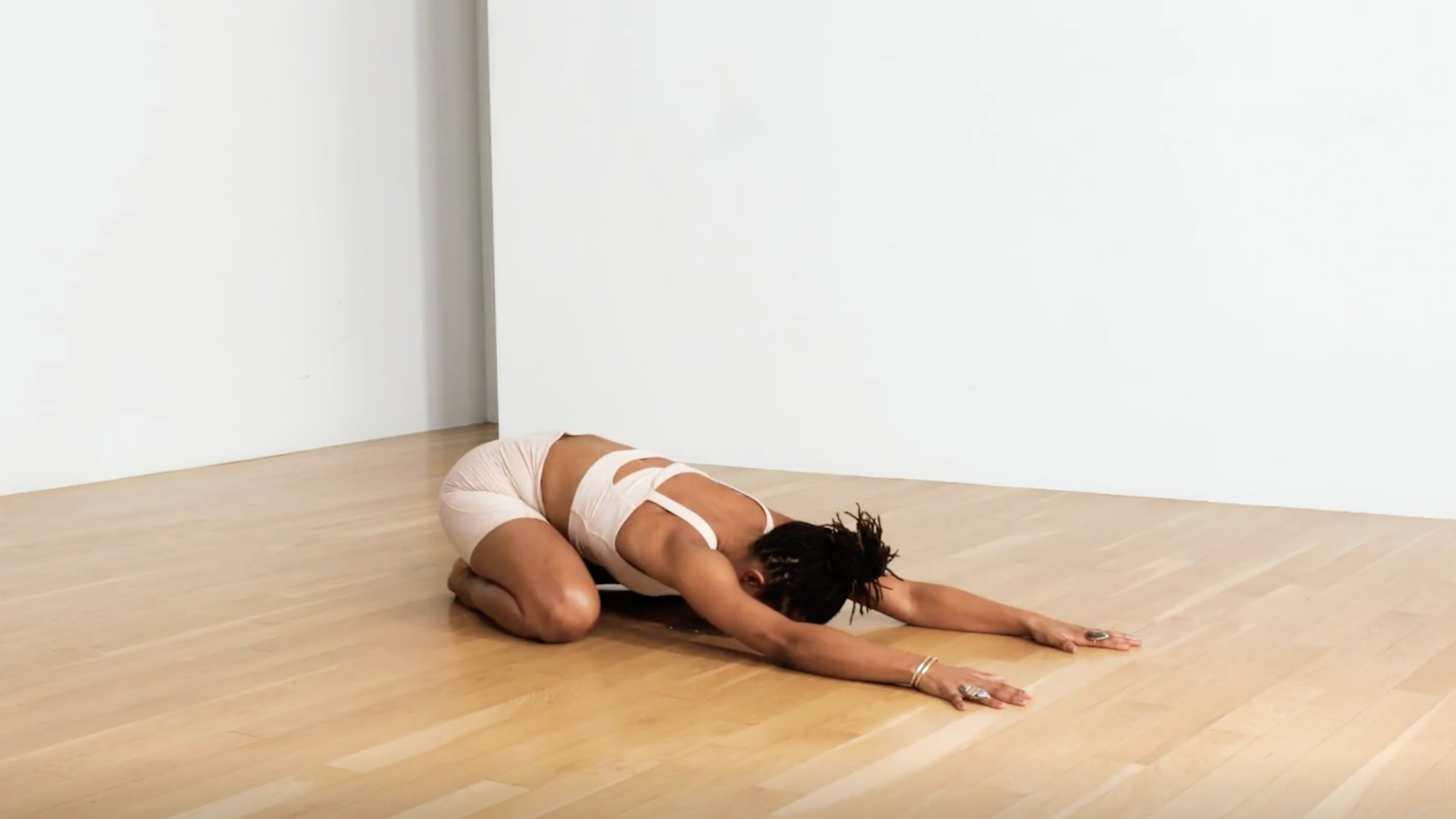
Child’s Pose (Balasana) is often treated as a resting position, but it is an ideal environment for shoulder isolation. By keeping the forehead on the mat, you eliminate the possibility of the thoracic spine assisting the arm, forcing the shoulder joint to do the work. By slowly sweeping the arm in a controlled circle, you engage the rotator cuff in a way that static holding rarely achieves.
2. Hip Circles in Tabletop
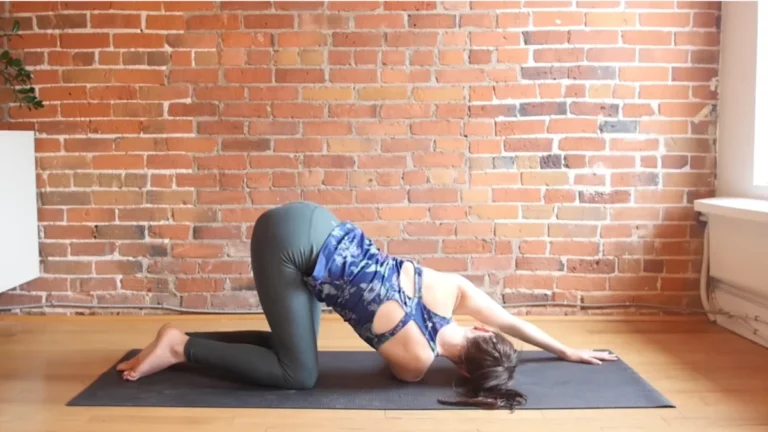
While Cat and Cow poses focus on the spine, the Tabletop position is arguably the best place to map the hip socket. By keeping the torso rigid and the belly button fixed toward the floor, you isolate the femur’s rotation within the acetabulum (the hip socket). This "stamping the ceiling" movement helps clear out tension in the gluteal and hip-flexor regions.
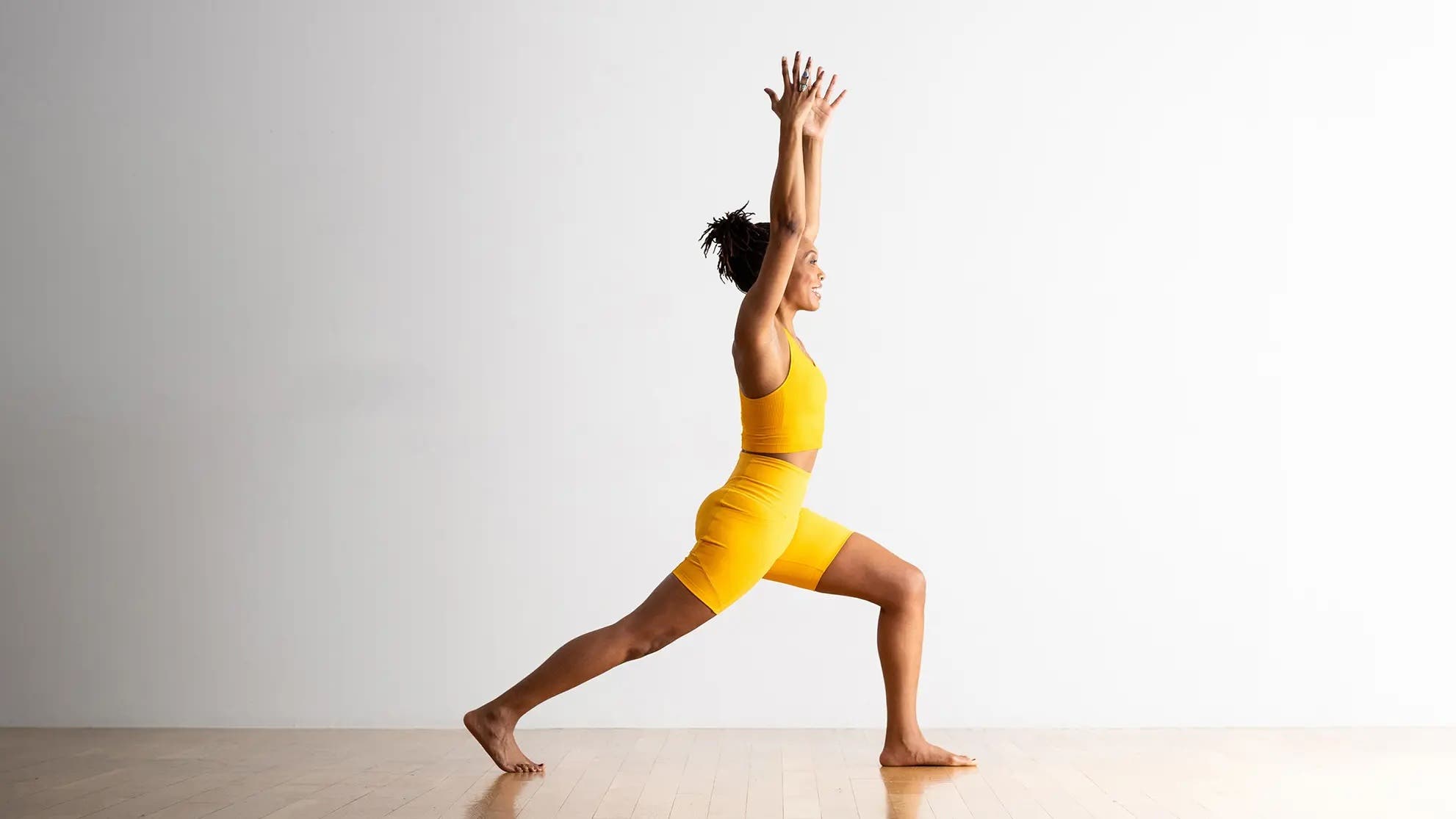
3. Wrist Circles in High Lunge
For the dedicated yogi, the wrists are the most overworked joints. Incorporating wrist CARs into a High Lunge serves a dual purpose: it builds resilience for arm balances and provides a mental distraction during challenging static holds. By holding the forearm steady with the opposite hand, the practitioner ensures the movement is localized to the wrist joint, preventing the compensatory movements that lead to "yogi wrist" pain.
4. Ankle Circles in Half Split
Half Split (Ardha Hanumanasana) provides the stability needed to focus on the ankle. By keeping the heel grounded, the practitioner can explore the full range of dorsiflexion and plantarflexion. This is vital for balance-heavy standing poses where ankle stability is the foundation for the entire kinetic chain.
5. Knee CARs in Heron Pose
Knee health is often ignored until injury strikes. In a modified Heron Pose, the practitioner can explore tibial rotation—the subtle twisting of the shin bone against the femur. By stabilizing the thigh, one can learn to control the rotation of the knee, providing a protective mechanism for the ligaments of the knee joint.
Implications for Longevity
The ultimate goal of incorporating CARs into a yoga practice is not to achieve "perfection" or to force the body into extreme shapes. It is about autonomy.
In the current landscape of wellness, we are often told to trust our intuition. However, intuition is only as good as the information the body provides. By practicing CARs, we sharpen our proprioception—our body’s internal GPS. We move from a place of guessing to a place of knowing.
Furthermore, the data suggests that maintaining joint mobility is one of the most effective predictors of long-term independence. As research in physical medicine continues to evolve, the distinction between "working out" and "training for health" becomes clearer. CARs occupy the latter category. They are not about burning calories or achieving a specific aesthetic; they are about ensuring that the machinery of the body remains fluid, resilient, and capable of navigating the world with grace well into the later stages of life.
A Note on Safety
As with any new movement, some clicking or popping is common, provided it is painless. These sounds are often the result of tendons sliding over bone or small shifts in the joint capsule. However, if a movement results in sharp, pinching pain, it is a signal to reduce the range of motion. If instability persists, professional consultation with a physical therapist is recommended.
In conclusion, CARs represent a sophisticated evolution of the yoga practice. By blending the mindfulness of ancient tradition with the anatomical precision of modern physical therapy, practitioners can build a body that is not just flexible, but truly capable. You are already tuning into your breath; it is time to start tuning into your joints.