










As the global healthcare community grapples with rising rates of pediatric obesity, type 2 diabetes, and prediabetes, the rise of GLP-1 receptor agonists (glucagon-like peptide-1) has been heralded as a medical breakthrough. Drugs like semaglutide and liraglutide are transforming the landscape of pediatric endocrinology. However, a groundbreaking study recently published in the journal Childhood Obesity has sounded a cautionary alarm: the very medications helping children manage their weight may be inadvertently stripping their bodies of essential nutrients during their most critical years of development.
Main Facts: The Nutritional Gap in Pediatric GLP-1 Use
The study, led by researchers at the Ann & Robert H. Lurie Children’s Hospital of Chicago and Northwestern University Feinberg School of Medicine, provides a sobering look at the intersection of weight management and nutritional health. According to the data, nearly one in six pediatric patients (16.8%) who began a GLP-1 medication regimen developed a diagnosed nutritional deficiency within the first year of treatment.
The most prevalent issue identified was Vitamin D deficiency, which impacted 12.4% of the study cohort within the first 12 months. This finding is particularly concerning given the essential role Vitamin D plays in immune function, hormonal balance, and, perhaps most importantly, skeletal development.
The researchers emphasize that these findings represent more than just a statistical anomaly; they highlight a systemic failure in current pediatric clinical pathways. While GLP-1 medications are highly effective at suppressing appetite and regulating blood glucose, they can significantly alter a child’s relationship with food, leading to reduced caloric intake and, consequently, a reduced intake of essential micronutrients.
Chronology: A Multi-Year Analysis of 2,000+ Patients
To arrive at these conclusions, the research team, led by senior author Dr. Justin Ryder, conducted a comprehensive retrospective analysis. The scope of the study was vast, utilizing national administrative claims data spanning from 2017 to 2022. By mining a massive database covering more than 100 million patients, the researchers were able to filter for a specific population: children aged 10 to 17 who were prescribed GLP-1s and had no prior history of nutritional deficiencies.
Study Timeline and Methodology
- 2017–2022: The study period focused on the years during which GLP-1 prescriptions for adolescents began to climb.
- The Cohort: Researchers isolated 2,031 pediatric patients who met strict continuous enrollment criteria, ensuring that the tracking of their health outcomes was consistent over the one-year study window.
- Prescription Patterns: The study revealed a clear hierarchy in current prescribing habits. Liraglutide (marketed as Victoza and Saxenda) dominated the landscape, accounting for 78.6% of all prescriptions. Dulaglutide (Trulicity) followed at 10.4%, while semaglutide (Ozempic and Wegovy) made up 9.1% of the usage identified in the dataset.
The research highlights a significant "lag time" between the initiation of medication and the implementation of nutritional support. While the medical community has recognized the efficacy of these drugs, the data suggests that clinical protocols are failing to keep pace with the physiological needs of the pediatric patient.
Supporting Data: Why Adolescence Matters
The physiological demands of adolescence are unique. Unlike adults, children and teenagers are in the midst of rapid skeletal growth, pubertal maturation, and significant hormonal flux. These biological processes require a consistent and robust intake of calcium, iron, and various vitamins to ensure that the body builds a healthy foundation for adulthood.
"Nutrients such as vitamin D, iron, and calcium are of particular concern during adolescence, when deficiencies may have lasting implications for skeletal health and overall development," Dr. Ryder explained.
The data indicates that the appetite-suppressing nature of GLP-1s—while a primary benefit for weight loss—acts as a double-edged sword. When a child’s caloric intake drops significantly, the window for obtaining necessary nutrients becomes much smaller. If the child is not eating a high-quality, nutrient-dense diet, the margin for error disappears, leading rapidly to the deficiencies observed in the study.
Official Responses and Clinical Implications
Perhaps the most startling revelation from the Childhood Obesity study is the lack of proactive nutritional intervention. Despite the clear risks identified in the data, the study found that only 5% of patients received nutritional counseling within 30 days of beginning their GLP-1 therapy. Furthermore, less than 25% of patients received such counseling within the first six months of treatment.
The Need for a Paradigm Shift
Dr. Ryder and his colleagues are advocating for a fundamental change in how clinicians approach the "prescription-first" model. Currently, nutritional support is often treated as a reactive measure—something provided only after a blood test reveals a deficiency. The study authors argue that this is a clinical failure that could lead to preventable developmental setbacks.
"Nutritional support needs to play a critical role once treatment with a GLP-1 medication is initiated," Dr. Ryder stated. "We hope that our study findings bring much-needed recognition to the importance of proactive nutritional management when GLP-1s are prescribed to children, as opposed to waiting until a nutritional deficiency is diagnosed."
Implications for Future Care
The study suggests several key shifts for pediatricians and specialists:
- Mandatory Baseline Screening: Before initiating GLP-1 therapy, children should undergo comprehensive metabolic and nutritional panels to establish a baseline.
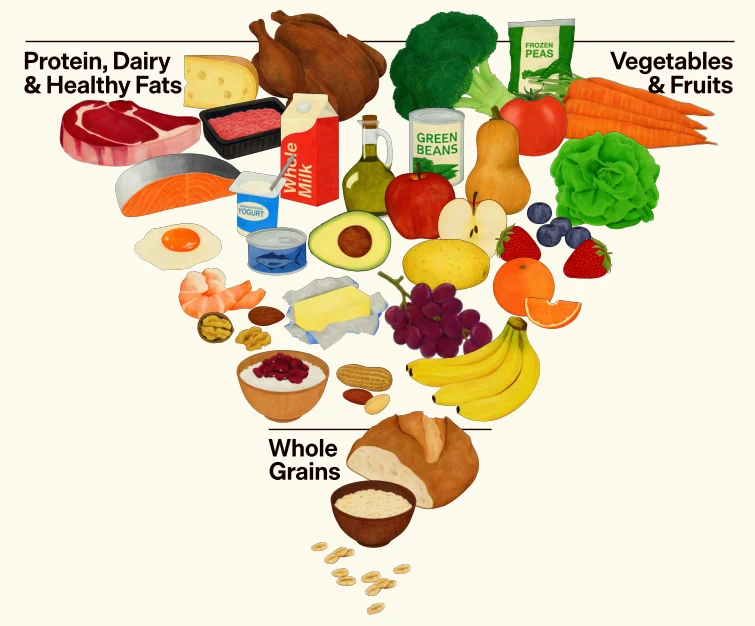
- Integrated Nutritional Counseling: Nutritional counseling should not be an "add-on" service; it should be a standard component of the GLP-1 treatment package, beginning on the day of the first prescription.
- Routine Monitoring: Regular blood monitoring for micronutrient levels—specifically Vitamin D, iron, and calcium—should be mandated every three to six months for the duration of the drug treatment.
- Specialized Guidance: Because children have different nutritional needs than adults, counseling must be delivered by registered dietitians or nutritionists who specialize in pediatric development, ensuring that the dietary advice is age-appropriate and sustainable.
The Broader Context: Balancing Weight Management and Development
The findings from this study do not suggest that GLP-1 medications should be withheld from children who need them. On the contrary, these drugs are effectively addressing the urgent public health crisis of pediatric obesity, which itself carries a host of long-term health risks, including cardiovascular disease and metabolic syndrome.
Instead, the study serves as a call to integrate "whole-person" care into the clinical setting. The medical community must move away from a model that views weight loss as an isolated metric of success. If a child loses weight but suffers from stunted growth or bone density issues due to nutrient deficiencies, the treatment cannot be considered a total success.
As these medications become more widespread in schools and communities across the globe, the responsibility falls on healthcare systems to ensure that the pursuit of a healthy weight does not come at the expense of a child’s future physical well-being. The "first-year cliff"—the period where deficiencies often manifest—must be bridged by vigilant monitoring and comprehensive nutritional support.
By recognizing these risks early, physicians are in a "much better position to prevent harm," as Dr. Ryder notes. The future of pediatric weight management lies in the synergy between advanced pharmaceutical intervention and diligent, proactive nutritional stewardship. The data is clear: the time for waiting is over; the time for active, integrated nutritional care has arrived.