










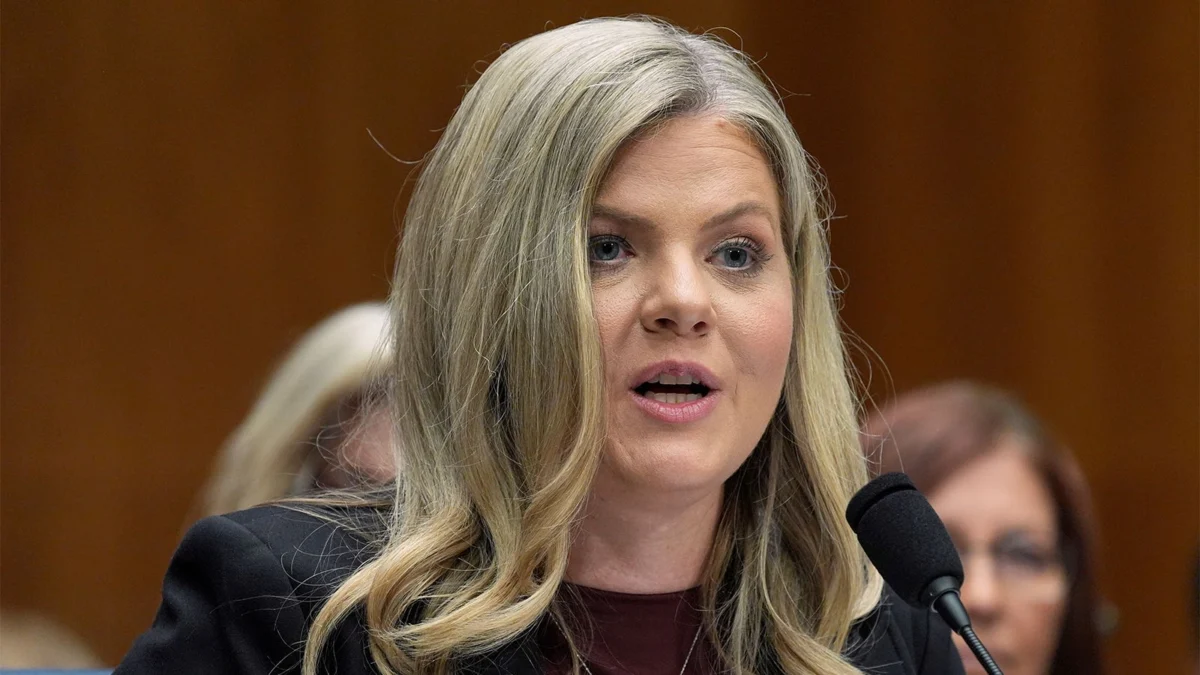
The U.S. Food and Drug Administration (FDA), the nation’s primary bulwark for public health, stands at a precarious crossroads. On Thursday, the Senate Health, Education, Labor, and Pensions (HELP) Committee convened to vet Dr. Heidi Overton, President Donald Trump’s nominee to lead the agency. The hearing was less a routine confirmation exercise and more a high-stakes ideological tug-of-war, pitting the scientific integrity of the FDA against the unorthodox, often combative, public health agenda of the current administration.
As Dr. Overton, a physician and current White House adviser, faced a barrage of questions from senators, the central tension remained clear: Can an FDA commissioner maintain the agency’s statutory obligation to objective, evidence-based science while serving an administration that has openly questioned the necessity of childhood vaccinations and initiated aggressive reviews of established medical products?
The Core Conflict: Science vs. Executive Pressure
The primary focus of the hearing was the administration’s shifting stance on public health, specifically regarding childhood immunizations. Dr. Overton, who has been a visible presence in the Trump administration’s health policy circles, found herself in the hot seat regarding recent executive actions that seek to fragment long-standing vaccination schedules.
The controversy was compounded by President Trump’s own rhetoric, specifically his recent false claim that the combined measles, mumps, and rubella (MMR) vaccine could be "quite lethal." When asked by the committee chairman, Sen. Bill Cassidy (R-La.), to directly address and reject this assertion, Dr. Overton navigated a narrow path.
"Right now, every vaccine that is on the market has been determined to be safe and effective," Overton stated, affirming the clinical consensus on the MMR vaccine. However, when pressed further on whether the President was fundamentally incorrect in his public statements, she demurred, choosing to reiterate her commitment to "following the statutory requirements" for the FDA while providing the President with her "best advice."
This response did little to soothe the concerns of Senator Cassidy, who has grown increasingly frustrated with the administration’s trajectory. "This committee needs to know whether you will be radically honest, whether you will use your authority to stand up for sound science and protect children’s health," Cassidy remarked, noting his past failures to secure firm commitments from other administration officials, including Health Secretary Robert F. Kennedy Jr.
Chronology of Institutional Friction
The current climate at the FDA is the culmination of months of internal and external volatility.
- Early 2024: The administration signals a shift in public health priorities, with a heavy emphasis on deregulation and skepticism toward institutional medical guidance.
- Spring 2024: The FDA experiences a period of intense instability, characterized by the resignation of Commissioner Dr. Marty Makary. His departure followed a tenure marked by plummeting staff morale and high-level disputes over scientific standards.
- Late Spring 2024: Internal reports reveal that the agency has lost approximately 20% of its workforce through a combination of layoffs, buyouts, and voluntary resignations, raising concerns about the FDA’s institutional capacity to regulate complex industries.
- Summer 2024: The White House issues executive orders calling for the restructuring of pediatric immunization schedules, triggering immediate pushback from medical associations.
- October 2024: Dr. Heidi Overton is nominated as the permanent replacement for the FDA commissioner role.
- November 2024: The confirmation hearing takes place, centering on the nominee’s potential independence from the White House’s ideological agenda.
Supporting Data: The Burden of Oversight
If confirmed, Dr. Overton would be tasked with overseeing a massive bureaucracy of 16,000 employees. Her lack of experience in managing large-scale federal agencies is a point of concern for policy experts, particularly given the specialized nature of the FDA’s work.
However, her financial disclosures offer a distinct profile. Unlike many of her predecessors, who often navigated complex conflicts of interest involving holdings in the pharmaceutical or biotechnology sectors, Overton reported no such investments. Her financial portfolio is modest, including $50,000 to $100,000 in student loans, which proponents argue could insulate her from the pressures of corporate lobbying.
Yet, the regulatory burden she would inherit is immense. The agency is currently reviewing:
- Mifepristone Safety: Following directives from Secretary Kennedy, the FDA is conducting a comprehensive safety review of the abortion pill, a process initiated under pressure from anti-abortion advocacy groups.
- E-Cigarette Market Access: New guidelines have allowed for the entry of flavored electronic cigarettes into the market, a reversal of previous policies that sought to minimize the appeal of vaping products to minors.
Official Responses and Political Implications
The testimony regarding mifepristone highlighted a significant gap between Overton’s previous professional writings and her current stance as a nominee. While working for the America First Policy Institute, Overton characterized the FDA’s decision to allow mail-order access to mifepristone as "dangerous to women."
During the hearing, when questioned by Senator Patty Murray (D-Wash.), Overton pivoted to a procedural stance: "The drug has met the safety and efficacy determinations of the FDA." She declined to offer a personal opinion, stating that she did not want to "prejudge" the ongoing agency review. Senator Murray was unconvinced, emphasizing that the FDA’s role is to ensure that medical decisions are governed by science, not political posturing.
The political math for Overton’s confirmation remains uncertain. She requires a majority vote from the 21-member HELP Committee, followed by a full Senate confirmation. Her path to success relies heavily on moderate Republicans, such as Senators Susan Collins (Maine) and Lisa Murkowski (Alaska), who have historically championed reproductive rights and stringent vaping regulations.
Senator Collins, in particular, utilized her time to focus on the FDA’s recent approval of flavored vaping products. Overton defended these decisions by citing the internal consensus among FDA scientists, who argued that these products—and their flavors—help adult smokers transition away from traditional combustible cigarettes.
The Broader Implications for Public Health
The potential confirmation of Dr. Overton represents more than a personnel change; it serves as a litmus test for the future of federal public health agencies under the current administration.
If Overton is confirmed, the FDA will be tasked with balancing the aggressive, and at times disruptive, directives of the White House with the agency’s traditional mission of consumer protection. The fear among career civil servants and the scientific community is that the "brain drain" already seen within the FDA will accelerate if the agency is perceived as being steered by political loyalty rather than clinical data.
Furthermore, the tension between Senator Cassidy and the administration suggests a growing rift within the Republican party regarding the role of government in healthcare. Should the administration continue to pursue policies that contradict established medical guidance, the FDA—under any leader—risks losing the public trust it relies upon to implement health mandates, approve life-saving medications, and monitor food safety.
As the Senate prepares to vote on her nomination, Dr. Overton remains the central figure in a high-stakes drama. Whether she will serve as a firewall against political interference or as an implementer of the administration’s controversial agenda remains the primary question for the future of the nation’s health regulatory landscape. The outcome of this confirmation process will likely define the FDA’s institutional authority for years to come.