






As the calendar turns, the pursuit of holistic well-being often takes center stage. For those seeking evidence-based guidance to navigate the complexities of modern nutrition, physical activity, and sleep hygiene, the Department of Nutrition at the Harvard T.H. Chan School of Public Health has released its highly anticipated fourth edition of the Healthy Living Guide. This year’s publication marks a significant evolution in the school’s approach, weaving the ancient wisdom of mindfulness into the rigorous framework of contemporary public health research.
Main Facts: A New Paradigm for Health
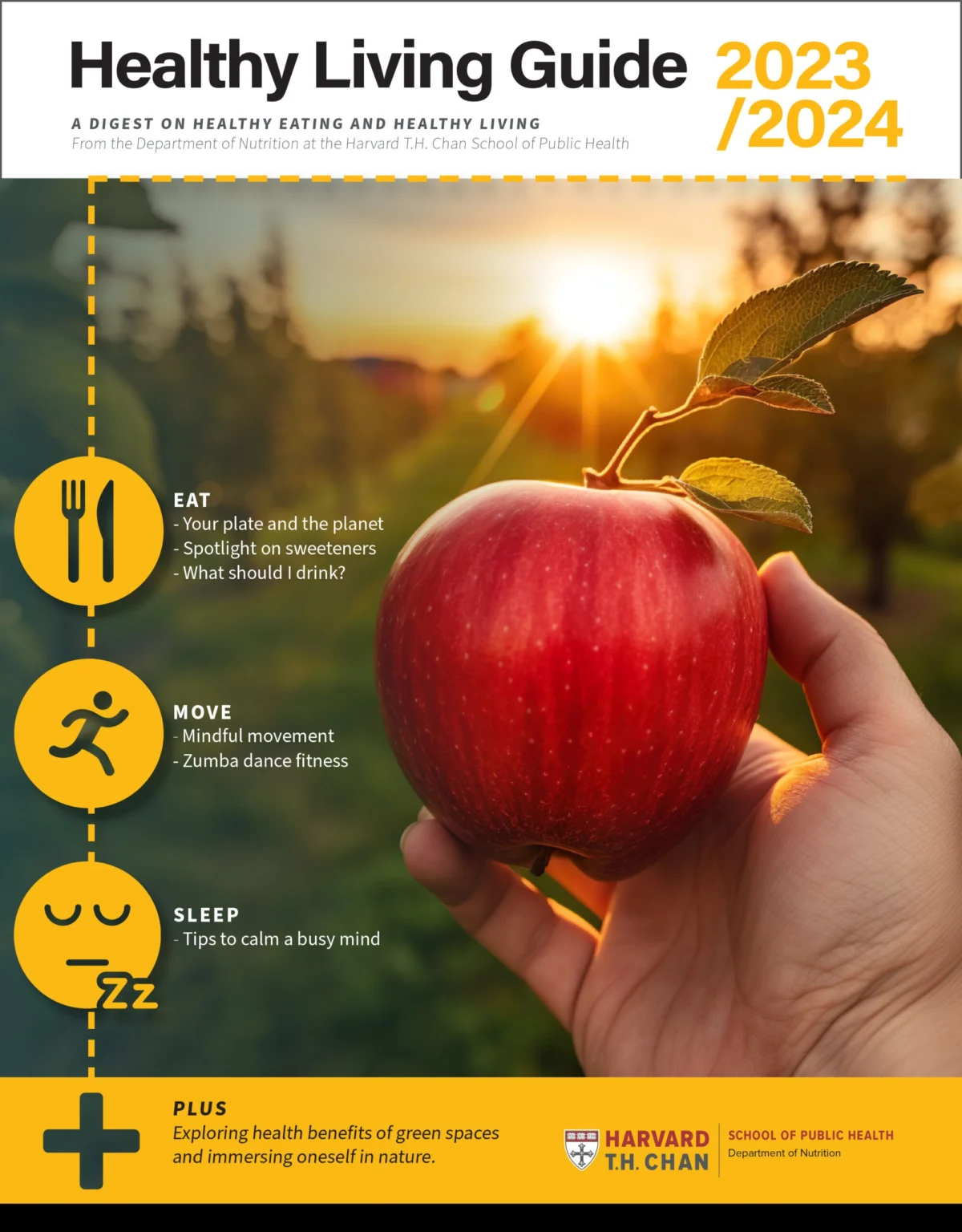
The 2023-2024 Healthy Living Guide is more than a collection of dietary tips; it is a comprehensive manifesto for sustainable wellness. At its core, this edition celebrates the inauguration of the Thich Nhat Hanh Center for Mindfulness in Public Health. This center represents a transformative shift in the department’s mission: moving beyond individual-level behavioral changes to examine how mindfulness can be scaled to benefit population health on a global level.
The guide posits that the "apple in your hand is the body of the cosmos," a sentiment borrowed from Thich Nhat Hanh that serves as the guiding principle for this year’s content. It emphasizes the inextricable link between mindful eating—being present with one’s food, understanding its origin, and appreciating its impact—and the health of our planet. By integrating these practices, the guide suggests, individuals can foster a healthier relationship with their consumption habits, ultimately contributing to a more sustainable global ecosystem.
Chronology of Progress: The Path to the 2024 Edition
The journey toward this year’s publication has been defined by a steady accumulation of scientific inquiry and strategic institutional growth:
- 2020-2021: The inaugural Healthy Living Guide was launched during a period of global health uncertainty, aiming to provide a reliable, science-backed anchor for the public amidst a sea of wellness misinformation.
- 2022: The Department of Nutrition expanded its scope to include deeper investigations into the intersections of chronobiology and nutrition, solidifying the guide’s reputation as an interdisciplinary resource.
- 2023: A landmark year characterized by the launch of the Thich Nhat Hanh Center for Mindfulness in Public Health. This institutional milestone allowed researchers to begin formalizing the study of mindfulness as a public health intervention.
- January 2024: The release of the current edition, which synthesizes the past year’s research into a user-friendly, printable format that includes actionable tip sheets for daily life.
Supporting Data: The Science of Living Well
The current guide is anchored by three primary pillars, each supported by the latest advancements in clinical research and public health surveillance.
1. Nutrition and the Challenge of Ultra-Processed Foods
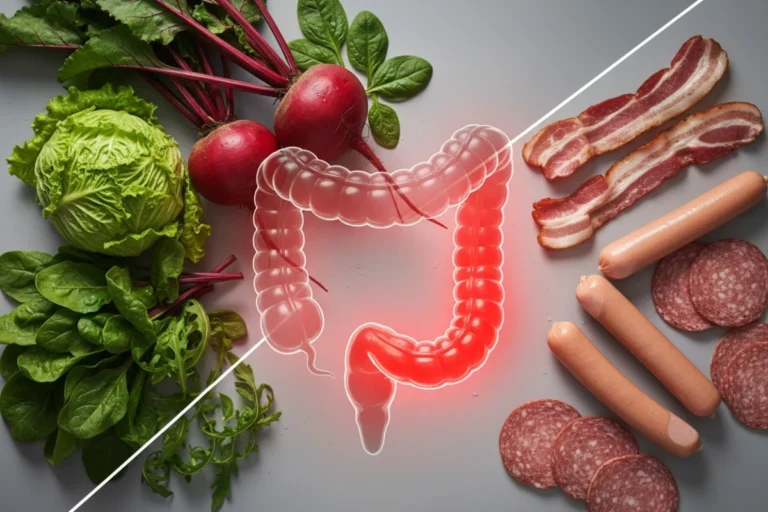
The guide addresses the modern dietary landscape, which is increasingly dominated by ultra-processed foods (UPFs). Research highlighted in this edition provides compelling data on the correlation between high consumption of UPFs and adverse mental health outcomes, including increased risks of depression and anxiety. By focusing on whole, nutrient-dense foods, the guide offers a practical antidote to the convenience-driven diet that has become the status quo.
2. Physical Activity: The Rhythm of Movement
Moving away from rigid, one-size-fits-all exercise prescriptions, the guide explores the intersection of enjoyment and physiology. It highlights, for instance, the efficacy of dance-based workouts like Zumba. Data suggests that integrating rhythmic movement with social engagement not only increases adherence to exercise regimens but also provides significant mood-boosting benefits, highlighting the importance of the psychological experience of exercise.
3. Sleep Architecture and Chronotypes
Perhaps one of the most intriguing sections of the 2024 guide is the discussion of "chronotypes"—the biological predisposition that dictates whether an individual is an "early bird" or a "night owl." The guide provides evidence on how working against one’s natural internal clock can lead to metabolic disruptions and decreased cognitive performance. Understanding one’s chronotype is framed as a foundational step toward optimizing sleep quality and, by extension, overall longevity.
Official Responses and Expert Perspective
The Department of Nutrition at Harvard has long maintained that public health is not a passive pursuit but an active engagement with one’s environment. In the lead-up to the publication, faculty researchers emphasized that the integration of mindfulness is not merely a "wellness trend," but a scientifically rigorous approach to stress reduction and behavioral change.
"The goal of the Center," states the Department’s briefing on the new guide, "is to bridge the gap between individual meditative practices and large-scale public health outcomes." By applying mindfulness to food systems, researchers believe they can address issues such as food insecurity, environmental degradation caused by industrial agriculture, and the global obesity epidemic simultaneously. The response from the medical community has been largely positive, with many practitioners praising the guide’s move toward "lifestyle medicine"—the practice of using evidence-based lifestyle therapeutic interventions as a primary modality to treat chronic conditions.
Implications for Public Health and Individual Action
The implications of the 2023-2024 Healthy Living Guide are twofold: they serve as a roadmap for the individual and a blueprint for policy development.
For the Individual
The guide provides the "how-to" for the average person who may feel overwhelmed by conflicting nutrition advice. By offering printable tip sheets, the guide removes the barrier of complexity. It encourages a shift in mindset: instead of viewing diet and exercise as a series of restrictive chores, it invites readers to view them as acts of mindfulness and self-respect. Whether it is adjusting one’s schedule to better align with their natural sleep chronotype or choosing whole foods over processed alternatives, the guide empowers the user to make evidence-based decisions that feel sustainable.
For Policy and Public Health
On a broader scale, the guide underscores the necessity of a "planetary health" perspective. When the public begins to demand food that is both nutritious and sustainably sourced, it exerts pressure on supply chains and policy makers to prioritize health over profit. Furthermore, the research into mindfulness as a public health tool suggests that future interventions for chronic disease might move beyond just pharmacological solutions to include social and behavioral programs that address the underlying stress and disconnection inherent in modern life.
Conclusion: A Call to Mindful Action
As we progress through 2024, the Healthy Living Guide serves as a reminder that the path to wellness is iterative. It is not about reaching a destination of "perfect health," but about cultivating a consistent, mindful relationship with the body and the environment.
For those eager to deepen their knowledge, the Department of Nutrition encourages readers to test their own understanding. By revisiting the archived guides and comparing the evolution of research over the last four years, individuals can see the progress of the field—from basic nutritional advice to the sophisticated, integrative approach presented today.
As the guide concludes, the invitation is open: download the printable resources, engage with the online summaries, and begin the new year with an intentional, mindful commitment to health. Whether you are adjusting your sleep patterns, exploring new ways to move, or simply being more present with your next meal, the Healthy Living Guide provides the necessary evidence to ensure those choices contribute to a longer, healthier, and more fulfilling life.
For those interested in exploring these topics further, the full 2023-2024 Healthy Living Guide PDF is available via the Harvard T.H. Chan School of Public Health website, alongside a rich repository of previous years’ findings and expert-led articles.