








In the age of the quantified self, a new metric has emerged from the shadows of niche longevity labs into the mainstream consciousness: "Biological Age." If you’ve spent any time on the internet lately, you have likely encountered the polarizing figure of billionaire Bryan Johnson. The subject of the Netflix documentary Don’t Die, Johnson has become the face of a high-stakes, multi-million-dollar quest to reverse his own aging process.
From daily supplement regimens numbering in the dozens to controversial plasma infusions, Johnson’s pursuit of a "younger" body has ignited a global conversation. He claims that through his rigorous protocols, he has shaved 5.1 years off his biological age. Yet, the scientific community remains divided. A New York Times investigation recently challenged his metrics, suggesting that his biological age had actually increased by a decade. This tug-of-war highlights the central question of modern wellness: Is "bio-age" testing a legitimate diagnostic tool, or is it merely an expensive exercise in vanity?
The Science of the "Internal Clock"
Biological age (bio-age) is fundamentally different from chronological age—the number of years you have been alive. While chronological age is a fixed constant, biological age is a measure of how your cells, tissues, and organ systems are functioning.
Think of it as the difference between a car’s model year and its mechanical condition. One 2010 sedan might have 200,000 miles of hard city driving, rusted parts, and a failing transmission, while another 2010 model—garaged and meticulously maintained—runs like new. In humans, lifestyle factors like diet, sleep, stress, and environmental exposure dictate the "mileage" on our biological machinery.
How We Measure the Invisible
Bio-age testing relies on "biomarkers"—biological signposts that indicate the state of your health.
- DNA Methylation: This is currently the gold standard for bio-age clocks, such as the Horvath Clock. It measures chemical modifications to your DNA that occur as you age.
- Telomere Length: These protective caps at the ends of chromosomes shorten as cells divide. While once thought to be the ultimate aging marker, its predictive power in healthy adults is still heavily debated.
- Physiological Proxies: Beyond genetic markers, traditional metrics like blood pressure, lipid panels (cholesterol), and fasting glucose remain the most reliable predictors of longevity.
A Chronology of the Anti-Aging Crusade
The fascination with bio-age is not entirely new, but the democratization of these tests is.
- Pre-2010s: Biomarker tracking was the domain of medical doctors and clinical research. Patients were monitored for specific diseases, not for a "biological age score."
- 2013: Steve Horvath published his landmark paper on the "Epigenetic Clock," creating a way to measure the age of human tissues. This laid the foundation for the commercial explosion of bio-age testing.
- 2020–Present: The "Biohacking" movement, led by figures like Bryan Johnson and promoted by influencers like Peter Attia and Andrew Huberman, has pushed these tests into the consumer market. Today, mail-order kits are available for a few hundred dollars, promising to tell users exactly how fast they are aging.
Supporting Data: Why Your "Internal Score" Matters
Why go through the trouble of testing? For many, the value lies in objective feedback. If you discover that your metabolic health is that of a person twenty years your senior, it serves as a powerful, data-driven wake-up call to prioritize strength training or dietary changes.
The Five "Free" Biomarkers You Can Test Today
You don’t need a seven-figure bank account to assess your trajectory. Researchers have long utilized these functional tests as proxies for biological aging:
- The Sitting-Rising Test (SRT): Can you lower yourself to the floor and stand back up without using your hands or knees for support? Success in this test correlates strongly with longevity, as it requires balance, core strength, and mobility—all of which decline rapidly in sedentary populations.
- Grip Strength: Often called the "vital sign of aging," grip strength is a reliable predictor of muscle mass and future functional independence. A standard tennis ball squeeze test can reveal significant fatigue levels in seconds.
- Balance (The One-Legged Stand): The ability to balance for at least 10 seconds is a surprisingly accurate predictor of mortality risk. It forces the brain, eyes, and muscles to synchronize—a system that often breaks down as we age.
- Fatigability: Using the Pittsburgh Fatigability Scale, you can assess how your body reacts to daily tasks. Persistent, unexplained fatigue is often the first indicator of systemic inflammation or underlying metabolic dysfunction.
- Body Composition (The Tape Measure): Weight is a blunt instrument. A waist-to-hip ratio measurement provides far more insight into visceral fat, which is highly inflammatory and a primary driver of heart disease and diabetes.
Implications: The Trap of "Data Without Action"
While the allure of a "bio-age number" is strong, there are significant risks to the average person.
The Medical Perspective
Medical professionals warn that commercial bio-age tests are not substitutes for clinical checkups. A lab test measuring DNA methylation in your blood may tell you something about your systemic inflammation, but it cannot tell you if your liver is aging faster than your heart. Furthermore, many companies pair these tests with aggressive marketing for proprietary, unproven supplements. If a result is used to sell you a product rather than change a habit, it is likely a commercial ploy rather than a health intervention.
The Psychological Impact
There is also the "nocebo" effect. If a test tells you that you are "biologically old," you may succumb to the psychological stress of that label, which in itself accelerates aging. Conversely, a "young" score might breed complacency, causing someone to ignore the foundational habits that keep them healthy.
The Path Forward: What Should You Do?
If you are considering a bio-age test, follow these three rules:
- Prioritize the "Evergreen" Metrics: Before buying a $300 methylation test, get a standard blood panel from your primary care doctor. Knowing your ApoB, fasting glucose, and C-reactive protein levels is infinitely more actionable than a proprietary "age" score.
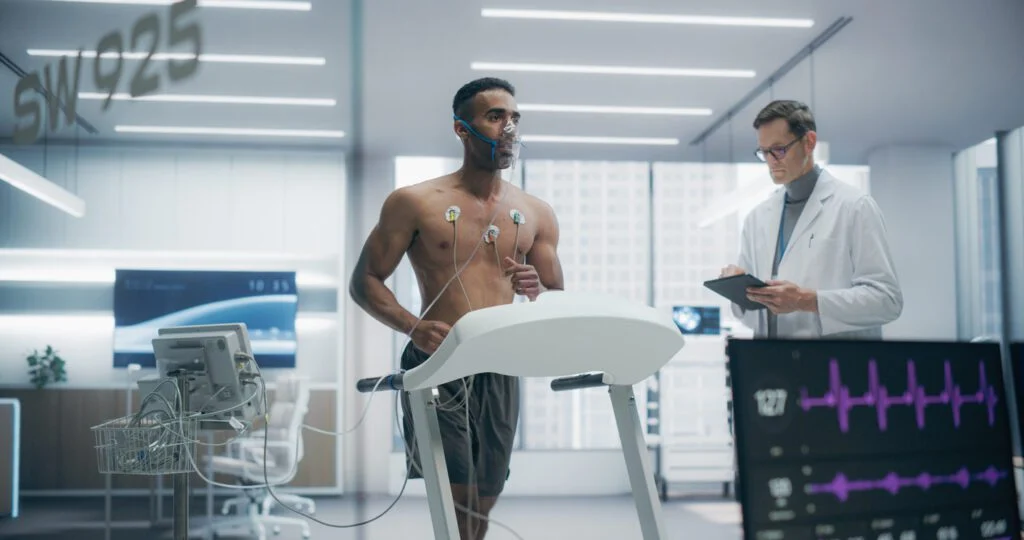
- Focus on Trends, Not Snapshots: A single test is just a data point. Use testing to measure the impact of changes. If you start a new strength training regimen, re-test your VO2 max or grip strength in six months. If the number improves, your intervention is working.
- The "Spinach in the Teeth" Rule: Data is only a mirror. If you see "spinach in your teeth" (poor health markers), you must brush them away (change your behavior). If you aren’t prepared to change your sleep, diet, or activity levels, the data is useless.
Conclusion: Don’t Die, But Don’t Over-Analyze
The quest for longevity is ultimately a quest for a better quality of life. While billionaires may pursue immortality through plasma and expensive algorithms, the average person has access to the most potent anti-aging medicine in existence: consistent physical activity, nutrient-dense food, quality sleep, and stress management.
Biomarker testing can be a fantastic tool to sharpen your focus, but it is not a shortcut. The "secret" to reversing your biological age isn’t hidden in a test tube or a blood kit; it is built in the gym, in the kitchen, and in the quiet, boring, and essential habits that you perform every single day.
As the science of aging continues to evolve, remember that your goal shouldn’t just be to lower a number on a page—it should be to increase the number of years you spend living with strength, vitality, and purpose.