








The Alliance for Aging Research stands at the vanguard of the global effort to improve the human experience of aging. By bridging the gap between cutting-edge scientific innovation and the halls of federal power, the organization works to ensure that longevity is not merely a biological byproduct, but a protected and enriched state of existence. Central to this mission is a dedicated team of policy experts, advocates, and researchers.
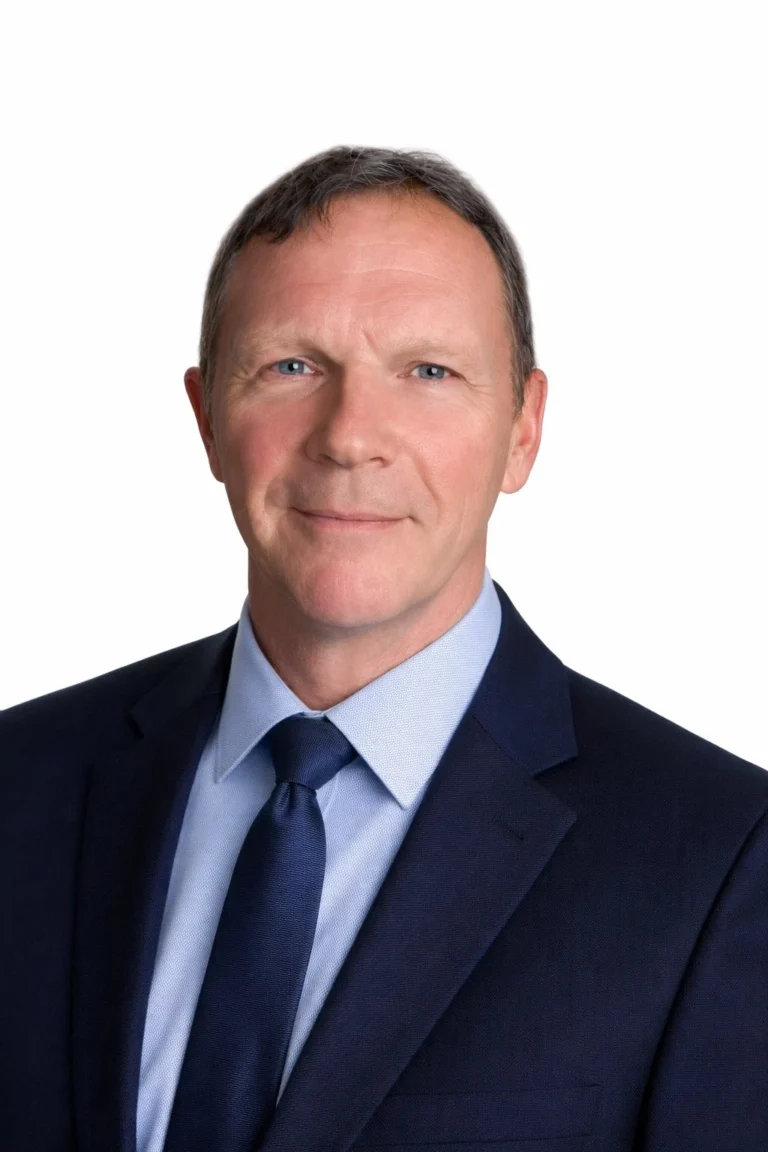
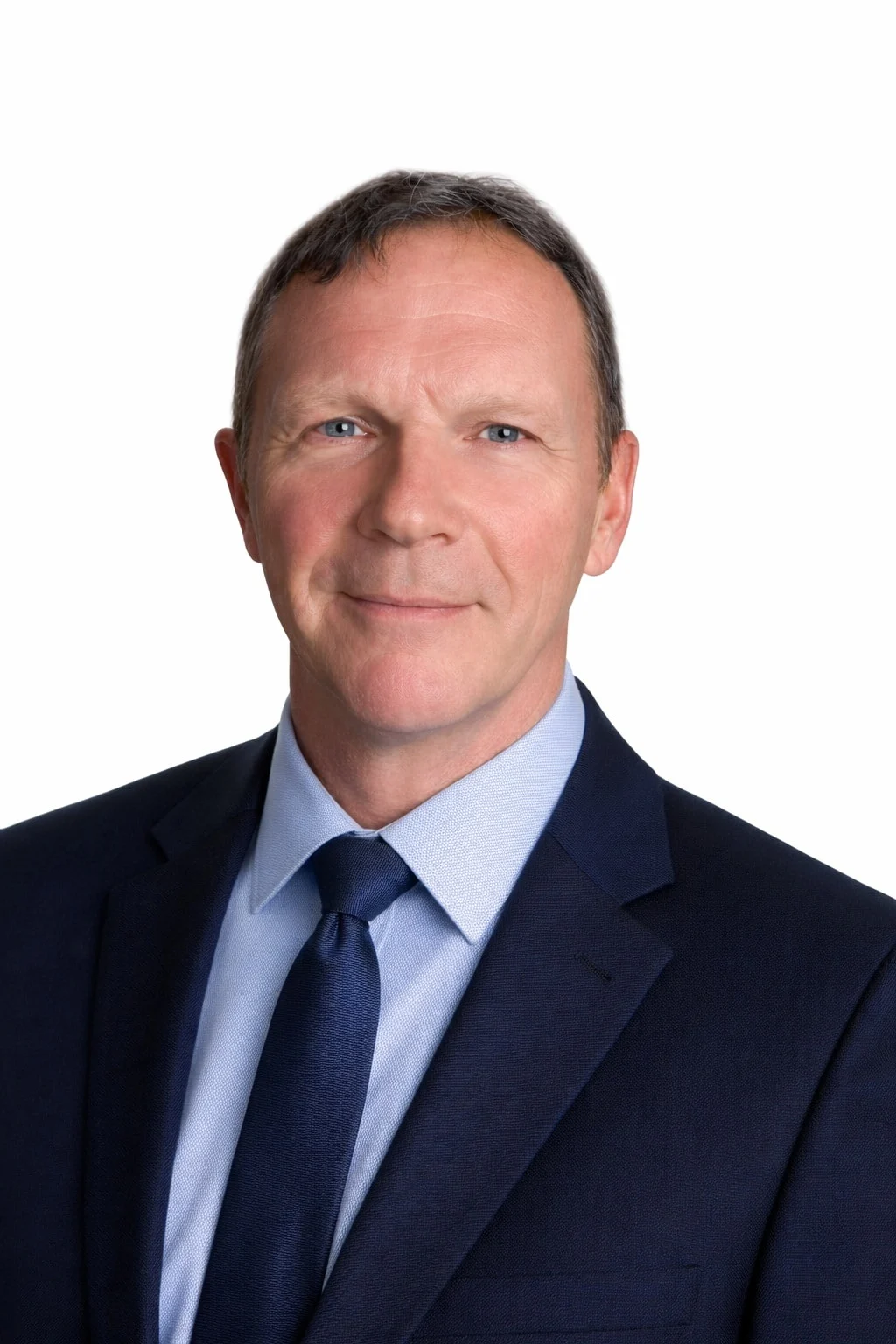
This month, the Alliance shines a spotlight on Scott Frey, the Senior Vice President of Public Policy and Government Relations. With a career spanning nearly four decades in the nation’s capital, Frey brings a seasoned perspective to the complex legislative challenges surrounding geriatric health, medical research, and the integrity of science-driven policy.
The Architect of Advocacy: Main Facts and Role
As the Senior Vice President of Public Policy and Government Relations, Scott Frey acts as a crucial liaison between the scientific community and the federal government. His role is multifaceted, involving high-level engagement with stakeholders, members of Congress, and the Federal Executive Branch.
Frey’s primary objective is the advancement of the Alliance’s core mission: to accelerate the pace of scientific discovery and ensure that those breakthroughs are accessible to the aging population. In an era of political polarization, Frey’s work is focused on insulating health policy from partisan volatility. He serves as a navigator through the intricate landscape of federal regulations, funding appropriations, and legislative hurdles, ensuring that the needs of older Americans remain a top priority on the national agenda.
A Lifelong Commitment: The Chronology of a Career
To understand Scott Frey’s dedication to aging research, one must look back to his formative years. Growing up in central and western Pennsylvania, Frey witnessed firsthand the socio-economic shifts of the late 20th century.
- 1987: After completing his graduate studies, Frey relocated to Washington, D.C. This move was prompted by a desire to influence the trajectory of federal policy during a time of significant economic disruption. The decline of the manufacturing sector in his home region—and the subsequent impact on retirement security and quality of life—served as a catalyst for his lifelong commitment to public service.
- Congressional Beginnings: Frey’s early career in Congress was defined by his work on health equity. He was an instrumental participant in historic efforts to address the gender gap in medical research, specifically contributing to campaigns that expanded funding for breast cancer research and early detection.
- The Alliance Tenure: After a career dedicated to federal policy, Frey joined the Alliance for Aging Research one year and eight months ago. This role represents the culmination of his experience, allowing him to focus his advocacy specifically on the challenges and opportunities of the aging demographic.
Supporting Data: The Case for Science-Driven Policy
The urgency of Frey’s work is supported by shifting demographic data. As the global population ages, the burden of chronic disease and the demand for innovative geriatric care are rising exponentially. According to recent public health data, the "silver tsunami" requires a proactive policy approach that moves beyond reactive treatment.
Frey emphasizes that public trust in science is the bedrock upon which these solutions are built. His advocacy efforts focus on:
- Ensuring Sustained Funding: Protecting and increasing federal appropriations for the National Institutes of Health (NIH) and other agencies dedicated to the study of the biological mechanisms of aging.
- Addressing Regulatory Hurdles: Streamlining the pathway for new therapies to move from the laboratory to the bedside, ensuring that patients have timely access to life-altering treatments.
- Policy Integrity: Combatting misinformation that undermines scientific consensus, which Frey views as an imperative for the preservation of public health.
Official Perspective: The Intersection of Policy and Personal History
When asked about his most rewarding projects at the Alliance, Frey reflects on the complexity of his mandate. "It’s almost like asking which is your favorite child," he notes. However, he highlights that the most critical aspect of his current role is the defense of evidence-based policy.

The Personal Connection
Frey’s commitment to aging research is not merely professional; it is deeply personal. His career path was arguably predestined by a promise made to his grandmother. Upon his graduation, his sole surviving grandmother urged him to "go down there to Washington and fight for us older folks." That final wish remains the guiding star of his career.
This personal connection extends to his professional relationships. Throughout his tenure in Washington, Frey has forged bonds with patients and families who have transformed their personal healthcare crises into advocacy movements. "It’s been my honor to know and befriend so many patients and families who chose to channel their personal health care battles into a fight for positive change for others," Frey says. "Their efforts made all the difference, and their stories continue to inspire me."
Implications for the Future of Healthy Aging
As we look toward the future, the implications of Frey’s work are profound. We are living in a period of unprecedented scientific advancement, where the understanding of the aging process is moving from "symptom management" to "prevention and intervention."
Embracing New Challenges
Frey views his current work at the Alliance as an extension of the work he began decades ago. He notes that while many of the legislative goals he initially pursued are now coming to fruition, the landscape is constantly evolving. For Frey, "embracing new challenges is critical to healthy aging." He advocates for a mindset of continuous growth, both in the scientific realm and in the way individuals approach their own aging journey.
Intellectual Foundations
Frey’s worldview is informed by a diverse literary background. He cites Joseph Heller’s Catch-22 as a foundational text—perhaps a nod to the complexities and bureaucratic absurdities he often encounters in his policy work. He also turns to the works of Kurt Vonnegut and William Shakespeare for perspective, and credits the works of A.A. Milne and Maurice Sendak as essential reading for younger generations. This literary breadth reflects a man who values both the gravity of his mission and the enduring importance of human narrative.
Conclusion: A Legacy in Motion
Scott Frey’s career serves as a bridge between the past and the future of healthcare. From the manufacturing towns of Pennsylvania to the corridors of the U.S. Congress, his trajectory has been defined by a steadfast adherence to the promise he made to his grandmother.
As the Alliance for Aging Research continues to lead the charge in improving the human experience of aging, the leadership of individuals like Scott Frey ensures that the voice of the aging population is not just heard, but acted upon. Through his work, the Alliance is not just advocating for policy changes; it is securing a future where the later years of life are marked by health, dignity, and the promise of continued discovery.
As Frey notes, the work is never truly finished. Every success brings new challenges, and it is in the tackling of those challenges that the real progress of humanity lies. By fostering a culture of scientific integrity and relentless advocacy, Frey and his colleagues at the Alliance are ensuring that the promise of a long, healthy life remains a reality for all.