



By Jana Wu, LCSW, LADC, ICAADC, CASAC
For more than 15 years, I have navigated the complex landscapes of mental health and substance use treatment. As I approach my 50th birthday, a question that has long simmered in the back of my mind has moved to the forefront of my professional practice: Why are we, as a medical and psychological community, so perpetually quick to relieve women’s distress before we have fully taken the time to understand it?
This inquiry has been brought into sharp focus by the rising prevalence of kratom—a botanical substance that is increasingly appearing in the lives of the women I treat. It is a trend that suggests we are repeating historical cycles, masking symptoms rather than addressing the systemic and physiological realities of women’s lives in the 21st century.
The Modern Landscape of Distress
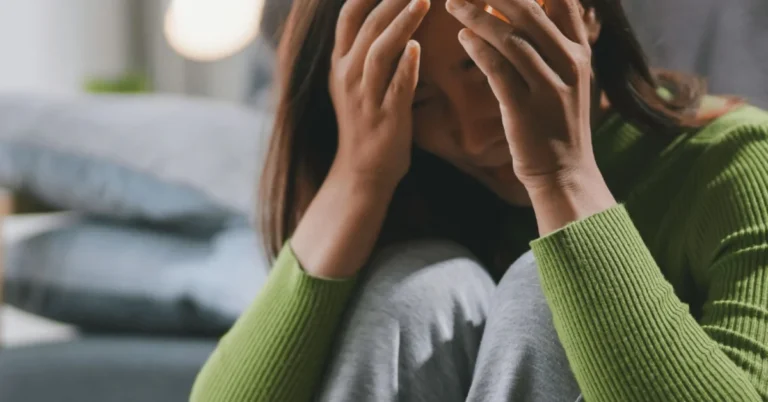
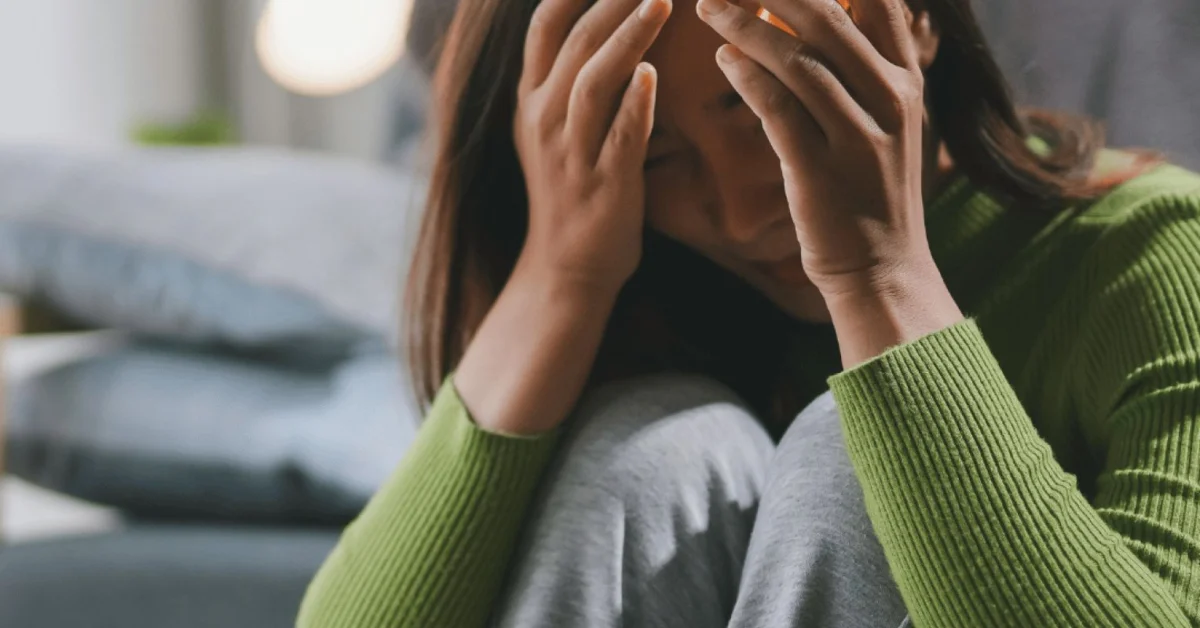
In my clinical practice, I frequently encounter women ranging from their late 30s to their 60s who have stumbled upon kratom while desperately searching for relief from anxiety, chronic pain, or persistent insomnia. However, they often report a third, equally compelling benefit: energy.
These women describe kratom not as a recreational intoxicant, but as a functional tool—a way to sustain performance in lives that are stretched to the breaking point. They utilize the substance to manage the "second shift": working full-time jobs, maintaining rigorous exercise routines, parenting children, caring for aging parents, and navigating the mounting pressures of midlife. When they speak to me, they describe a sense of being "held together" by the substance, allowing them to meet the crushing demands of daily life that they fear they would otherwise collapse under.
A Chronology of Suppression: From Hysteria to Benzodiazepines
To understand the current reliance on kratom, one must look at the long, troubled history of how Western medicine has addressed women’s distress. We did not arrive at our current reliance on substances by accident; it is the result of a medical culture that has historically pathologized the female experience while prioritizing rapid symptom suppression.
The 19th Century: Hysteria and Neurasthenia
In the 1800s, the medical establishment frequently labeled the physical and emotional manifestations of women’s stress—anxiety, fatigue, irritability, and chronic pain—as "hysteria" or "neurasthenia." These diagnoses were catch-alls for women who expressed dissatisfaction or psychological strain. Rather than exploring the environmental or systemic causes, the goal was often to calm the patient and restore her to her "proper" role within the domestic sphere.
The Mid-20th Century: The Era of "Mother’s Little Helper"
By the mid-1900s, the terminology shifted, but the philosophy remained intact. The rise of pharmaceutical tranquilizers like Miltown, and later the benzodiazepine revolution, offered a new, clinical way to dampen female distress. When Valium was introduced in 1963, it rapidly became the most prescribed medication in the United States.
The cultural impact was so profound that it became a touchstone of the era. The Rolling Stones’ 1966 hit, "Mother’s Little Helper," serves as a hauntingly accurate historical document of that time, detailing a woman’s reliance on prescription pills to manage the crushing weight of household labor and societal expectations. Nearly 60 years later, the medications have evolved—from Valium to Xanax to the unregulated availability of kratom—but the underlying question remains unchanged: What happens to the woman when the distress itself refuses to go away?
Supporting Data: The Midlife Crisis of Care
The transition into midlife and perimenopause creates a physiological "perfect storm" for many women. Hormonal fluctuations can trigger or exacerbate anxiety, sleep disruption, and mood instability. When this internal shift is overlaid with the external pressures of a career, sandwich-generation caregiving, and the relentless pace of modern life, the result is a profound sense of burnout.
Our healthcare system, unfortunately, is often better equipped to "quiet" a symptom than to investigate the context of the life surrounding it. A prescription for a sedative or the procurement of a botanical supplement offers immediate, tangible relief. However, this relief is not a treatment plan.
The Risks of "Natural" Solutions
It is critical to distinguish between the desire for relief and the safety of the intervention. Many women turn to kratom because they perceive it as "natural," "traditional," and—most importantly—outside the pharmaceutical system that they feel has failed them.
However, in the United States, kratom exists in a regulatory gray area. Unlike FDA-approved medications, there is no standardization for potency or purity. A user may purchase a product today that is significantly more or less potent than the one they purchased yesterday, creating a high risk of unpredictable dosing. Furthermore, from a clinical perspective, the most dangerous behavior I observe is the "stacking" of substances. Many individuals unknowingly pair kratom with alcohol, prescribed benzodiazepines, or opioids. This creates a risk for severe respiratory depression and excessive sedation, a danger that is vastly under-discussed in public health discourse.
Official Perspectives and the Clinical Gap
The medical establishment has been slow to address the rise of kratom because it does not fit neatly into traditional diagnostic categories. The DEA has considered scheduling it, while proponents argue for its potential as a harm-reduction tool for opioid withdrawal.
However, the "official" response often misses the patient-centered reality. For many women, kratom is not a drug of abuse in the traditional sense; it is a desperate attempt to reclaim agency. When a woman feels that her primary care provider is not listening to her concerns about her mental health, or when she is offered a pill that leaves her feeling "foggy" or dependent, she begins to look for alternatives.
The clinical reality is this: We are seeing a shift where the "self-medicating" patient is often the "overwhelmed, under-supported" patient. We must move beyond the binary of "addiction" versus "medication" and look at the functional role the substance plays in the user’s life.
Implications: Changing the Conversation
If we are to effectively address the crisis of women’s mental health, we must fundamentally alter our clinical approach.
1. Whose Discomfort Are We Treating?
Providers must ask themselves a difficult, reflexive question: Is this medication meant to alleviate the patient’s suffering, or is it meant to alleviate the professional’s discomfort with a complex, non-linear case? If we view every manifestation of anxiety as a problem to be "fixed" with a pill, we miss the opportunity to address the underlying life stressors—be they relational, professional, or physiological—that are driving the patient to seek relief in the first place.
2. A Call for Holistic Inquiry
Understanding why a woman suddenly cannot sleep, why panic has emerged in her 40s, or why she feels disconnected from her own body requires time, curiosity, and patience. It requires a diagnostic approach that considers the interplay of hormonal changes, PTSD, environmental stressors, and past trauma.
3. Ending the Cycle of Reliance
We must offer women a path that does not force them to choose between enduring debilitating anxiety or relying on a substance—natural or pharmaceutical—to simply survive the day. This involves:
- Integrated Care: Bringing mental health support into the gynecological and primary care space.
- Trauma-Informed Assessment: Recognizing that many women using kratom or other substances have histories of trauma that have never been fully addressed.
- Patient Advocacy: Empowering women to demand more than a prescription pad when they present with distress.
Conclusion
The story of the woman seeking relief is as old as medicine itself. Whether it was the "hysteric" of the 19th century or the exhausted professional of today, the core of the issue remains the same: we have prioritized the efficiency of the cure over the depth of the understanding.
As clinicians, researchers, and society at large, we must listen more closely to how women arrive at their current states of distress. We must stop asking "How do we get her to stop taking this?" and start asking "What is it that she needs that she isn’t getting?" Only by shifting our focus from the symptom to the individual can we hope to provide a truly healing path forward.
About the Author
Jana Wu, LCSW, LADC, ICAADC, CASAC, is a clinician at Mountainside Treatment Center with a specialization in PTSD, anxiety, depression, and co-occurring disorders. As a nationally recognized expert on kratom, she founded the first clinician-led kratom support group in the United States. Her work has been featured in The Wall Street Journal, Rolling Stone, and on NBC News. She remains a dedicated advocate for improved clinical standards in addiction and mental health treatment.