







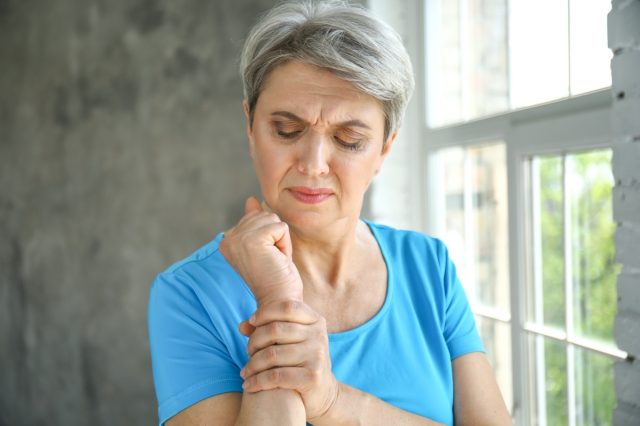
As we cross the threshold into our sixties, the conversation around health often shifts toward chronic conditions like heart disease or diabetes. However, there is a silent, structural crisis that demands equal attention: the steady decline of bone density. For many, the first sign of this decline is a life-altering fracture—a broken hip, wrist, or vertebrae that can instantly strip away years of independence.
With nearly four decades of experience as a personal trainer and 25 years at the helm of TRAINFITNESS, I have observed a recurring pattern: many individuals reach their seventh decade having inadvertently neglected their skeletal integrity. While cardiovascular fitness is vital for heart health, it is only half the equation. To truly protect your autonomy and mobility, you must prioritize the structural health of your skeleton.
The Physiology of Bone: Why Movement Matters
Bone is not a static, inert structure; it is a living, metabolically active tissue. Much like muscle, bone responds to the demands placed upon it. When you apply mechanical stress to a bone, it triggers a sophisticated biological process: the bone detects a micro-deformation, which generates a tiny electrical charge. This signal acts as a command to the body to reinforce that specific area with new bone tissue.
Without this mechanical loading, the body assumes the bone does not require high density, and it begins to resorb (break down) bone mineral, leading to osteopenia or osteoporosis. While calcium and Vitamin D are the essential "raw materials" for bone construction, they are merely the building blocks. Exercise provides the "architectural plan"—the physical stimulus that tells the body exactly where to deploy those resources.

Common Misconceptions in Aging Populations
The most significant hurdle I face with new clients over 60 is a fundamental misunderstanding of what constitutes effective bone-loading exercise.
1. The "Cardio-Only" Trap
Many individuals believe that walking, swimming, or cycling is sufficient. While these are excellent for heart and lung health, they are "low-load" activities. They do not provide the high-impact or resistance-based force necessary to stimulate significant bone growth. Your skeleton requires gravity-defying, weight-bearing stress to signal the need for density.
2. The Fear-Inactivity Cycle
Perhaps the most dangerous trend I encounter is the fear of injury leading to complete sedentary behavior. Paradoxically, the less you move, the weaker your bones become, which in turn significantly increases your risk of falling. It is a vicious cycle where the fear of the fall actually creates the fragility that makes a fall catastrophic.
3. The Supplement Illusion
Many clients rely heavily on pharmacological supplements, hoping for a "quick fix" for their bone density scans. Supplements are supportive, not transformative. Without the mechanical trigger of weight-bearing exercise, the body simply doesn’t receive the signal to utilize those extra nutrients for bone matrix production.
A Five-Step Protocol for Skeletal Longevity
To rebuild and maintain bone strength, you must incorporate exercises that target the primary sites of fracture: the hips, the spine, and the wrists. Below are five foundational movements I integrate into my professional programming.
1. Heel Drops: The Foundation of Impact
Heel drops provide a gentle, controlled vertical impact. This sends a shockwave through the skeleton that stimulates bone-building signals in the hips and spine.
- The Movement: Stand tall near a sturdy chair or wall for balance. Rise onto your toes, then drop your heels firmly to the ground.
- Why it works: It is the safest way to introduce "impact" to the skeletal system without the risks associated with high-intensity jumping.
2. Step-Ups: Utilizing Daily Mechanics
Step-ups are a functional movement that mimics the act of climbing stairs, ensuring your bone-loading is relevant to your daily life.
- The Movement: Using a low, stable platform, step up with one foot, driving through the heel, then return to the start.
- Why it works: It places axial load on the hip joint, which is crucial for preventing the most common and debilitating fractures in the elderly.
3. The Loaded Carry: Holistic Loading
Carrying moderate weight—such as small dumbbells or even grocery bags—forces the spine to stabilize and the wrists to bear weight under tension.

- The Movement: Hold a weight in one or both hands, maintain a tall, upright posture, and walk with a steady, controlled gait.
- Why it works: It integrates balance, grip strength, and core stabilization into a single, highly functional movement.
4. Single-Leg Stands: The Fall Prevention Strategy
You cannot build bone if you are incapacitated by a fall. Balance training is, in essence, bone insurance.
- The Movement: Stand on one leg for 20–30 seconds, using a chair for support only if absolutely necessary.
- Why it works: It trains the proprioceptive nerves and ankle stabilizers, drastically reducing the likelihood of a fall occurring in the first place.
5. Wall Push-Ups: Targeting the Upper Body
Fractures of the wrist are rampant in older populations, often caused by an inability to catch oneself during a fall.
- The Movement: Place your hands on a wall at shoulder height and perform a push-up, keeping your body in a straight line.
- Why it works: By pushing your body weight through your hands, you load the bones of the forearm and wrist, which are rarely targeted in traditional leg-heavy fitness programs.
Clinical Implications and Expectations
When beginning any new exercise regimen after the age of 60, safety is paramount. If you have been diagnosed with osteoporosis, it is imperative to consult with your physician before beginning these movements, particularly to avoid loaded forward-bending (flexion) of the spine, which can increase the risk of vertebral fractures.
Chronology of Progress
- Weeks 1–4 (Neurological Adaptation): You will not see bone density changes on a scan yet, but you will experience improved balance, increased confidence, and better coordination. This is the "fall-prevention" phase.
- Months 3–6 (Structural Strengthening): Muscles surrounding the bones will grow stronger, providing better support and reducing the mechanical load on the joints themselves.
- Months 6–12+ (Bone Remodeling): This is the horizon for seeing changes in DEXA scans. Bone remodeling is a slow, methodical biological process. Consistency is the primary factor in determining success.
Official Guidelines and Data
Health organizations, including the National Osteoporosis Foundation, emphasize that weight-bearing and muscle-strengthening exercises are the "gold standard" for non-pharmacological bone management. Studies consistently show that individuals who engage in resistance training have significantly higher bone mineral density (BMD) than those who rely solely on walking or aerobic exercise.
The goal of this program is not to turn you into an elite athlete, but to provide a manageable, 10–15 minute daily routine that creates the necessary "mechanical signals" to halt or slow the progression of bone loss.
Final Thoughts: The Long View
Aging with strength is a choice that requires a departure from the "sedentary comfort" mindset. By shifting your perspective to view your bones as a dynamic, responsive organ, you take control of your future mobility.
Whether you are 60, 70, or beyond, it is never too late to start. The body remains ready to adapt, provided you give it the right instructions. Pair these exercises with a balanced diet rich in calcium and Vitamin D, stay consistent, and remember: your independence is built one repetition at a time.