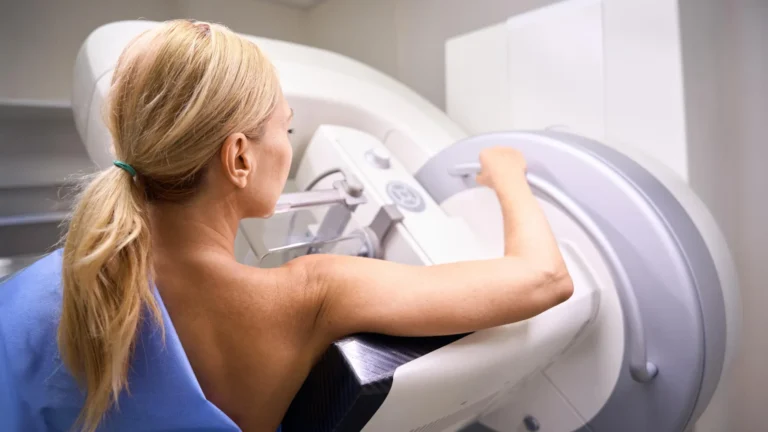









For decades, the discourse surrounding breast cancer screening has been shadowed by a persistent, complex, and often contentious term: "overdiagnosis." At its core, overdiagnosis refers to the detection of a breast cancer that, had it remained undiscovered, would never have progressed to cause symptoms or threatened a woman’s life during her lifetime. Because screening mammography aims to catch cancers early, it inevitably detects some lesions that are biologically indolent—slow-growing or non-progressive—leading to treatment that may be medically unnecessary.
For years, randomized controlled trials (RCTs) suggested that this phenomenon was a significant drawback of population-based screening, with some estimates claiming that 30% to 50% of detected breast cancers could be classified as overdiagnosed. These figures have permeated public health guidelines, shaped informed consent documents, and fueled global debates about the efficacy of mammography.
However, a landmark re-evaluation of historical data, led by an international team of researchers, suggests that these high estimates may be based on a fundamental misinterpretation of how screening data matures over time. By adjusting for the "temporal context" of clinical trials and using Denmark’s real-world screening rollout as a longitudinal baseline, the study concludes that the true rate of overdiagnosis is likely below 5%—a finding that could fundamentally reshape how health systems communicate screening risks to the public.
The Chronology of the Debate: From Early Trials to Modern Analysis
The history of breast cancer screening is a history of trial and error. The methodology used to define overdiagnosis has evolved alongside the technology of mammography itself.
The Initial Era of Uncertainty
In the late 20th century, a series of seminal randomized trials—including the New York Health Insurance Plan (HIP) study, the Malmö mammographic screening trial, and the Canadian National Breast Screening Study—were launched to determine if mammography could indeed reduce breast cancer mortality. These trials were revolutionary, but they were also limited by the computational methods of the time. Researchers observed an immediate "spike" in cancer diagnoses once screening programs were introduced. Because they did not always account for the fact that screening shifts the timing of a diagnosis forward, many researchers concluded that this surplus of cases represented cancers that would never have surfaced otherwise.
The "Temporal Context" Gap
The core of the recent research centers on the failure to allow trial data to "mature." When a screening program is implemented, the incidence of breast cancer diagnosis naturally spikes as a "prevalence pool" of asymptomatic cancers is uncovered. If a study ends too soon—before the expected drop in subsequent incidence occurs—researchers are left with a data set that shows more cancers detected than would have occurred naturally.
"When screening is introduced, the number of breast cancer diagnoses initially rises because cancers are detected earlier than they would have been without screening," explains Elsebeth Lynge, professor emerita at the Department of Public Health at the University of Copenhagen. "Over time, this should be followed by a drop, as some of these cancers would otherwise have been diagnosed later. If researchers do not take these factors into account, the initial increase can be mistaken for overdiagnosis."
The Danish Reference Point
Denmark provided a unique "natural experiment" for this study. Because organized screening was rolled out regionally—some areas beginning 17 years earlier than others—the researchers had a rare, high-quality longitudinal dataset. By tracking how breast cancer incidence fluctuated over nearly two decades, the team could identify exactly how the "spike and drop" phenomenon behaves in a real-world, population-based setting. They then applied these patterns to the results of the eight major randomized trials, effectively re-calibrating the historical data against a more accurate timeline.
Supporting Data: A Comprehensive Re-evaluation
The study, which synthesizes data from all eight major randomized mammography trials, represents a definitive effort to clean the slate of conflicting statistics. The researchers focused on reconciling the data from the following trials:
- New York Health Insurance Plan (HIP)
- Malmö Mammographic Screening Trial
- Two-County Study
- Edinburgh Trial
- Canadian National Breast Screening Study
- Stockholm Breast Cancer Screening Trial
- Gothenburg Breast Cancer Screening Trial
- UK Age Trial
Correcting the "50% Myth"
By analyzing these trials through the lens of long-term temporal trends, the researchers identified three specific factors that previously skewed the estimates of overdiagnosis:
- Screening Exposure: The failure to account for how many women in the control group were actually accessing screening outside of the trial parameters (contamination).
- Follow-up Duration: The failure to wait for the natural decline in incidence that follows the initial diagnostic spike.
- Biological Heterogeneity: The inclusion of ductal carcinoma in situ (DCIS) alongside invasive cancers, which requires nuanced analysis to determine true clinical impact.
When these factors were normalized, the wide-ranging, frightening estimates of 30-50% evaporated. Instead, the researchers found that the data was consistent with an overdiagnosis rate of less than 5%.
Official Responses and Scientific Context
The findings have been met with cautious optimism by the medical community, as they suggest that the "harm" side of the benefit-risk balance sheet is significantly lighter than previously feared.
"The aim of our study was to bring together the evidence from all randomized controlled trials to get a clearer picture of the extent of overdiagnosis in breast cancer screening," says Sisse Helle Njor, professor at the University of Southern Denmark and Lillebælt Hospital. She notes that the previous interpretation of trial data was far from straightforward. "Randomized trials have often been cited as evidence that overdiagnosis is a substantial problem. Our study shows that this interpretation is not as straightforward as it may seem."
Matejka Rebolj, Senior Epidemiologist at Queen Mary University of London, emphasizes that the scientific community must be careful with how it communicates these findings. "We believe some previous high estimates of overdiagnosis, which influenced screening guidelines and communication, were based on evidence before trial data had fully matured. When interpreted in their full temporal context, randomized trial data are consistent with overdiagnosis of less than five percent, rather than with estimates nearing 50%."
The researchers stress that their goal is not to suggest that overdiagnosis does not exist—it is a biological reality—but to ensure that the scientific consensus reflects the actual magnitude of the issue.
Implications: What This Means for Women
For the average woman invited for a routine mammogram, this research provides a vital shift in perspective. Decision-making in healthcare relies on accurate risk-benefit analysis. When women are told there is a 50% chance that a detected cancer might be an overdiagnosis, it creates understandable anxiety and may even lead to "screening avoidance."
Reframing the Conversation
The study suggests that the benefits of early detection—specifically the reduction in breast cancer mortality—are significantly more robust when weighed against a much lower, 5% risk of overdiagnosis.
"Most women will not develop breast cancer, but with this study we can now be reassured that the benefits of detecting breast cancer early and preventing premature death will outweigh the small risk of unnecessary treatment," says Njor.
A Framework for Informed Consent
Moving forward, the researchers hope this data will provide a new framework for health communication. By providing a more realistic assessment of the risks, health authorities can better empower women to make decisions that are based on accurate data rather than exaggerated historical projections. This is not just a statistical correction; it is a vital step in restoring confidence in population-based screening programs that have saved countless lives over the last several decades.
Looking Ahead
The study, supported by the Novo Nordisk Foundation and Cancer Research UK, serves as a reminder of the importance of revisiting "settled science." In medicine, longitudinal data is king. As we move further into the era of personalized screening, where risk factors are increasingly understood, having a baseline of accurate, population-level evidence is essential. By lowering the perceived "cost" of screening, the medical community can continue to encourage participation in programs that remain the most effective tool for long-term breast cancer survival.
As the authors conclude, the path forward is one of transparency and precision. By reconciling the historical trial data with the realities of modern epidemiology, we move closer to a standard of care that is both effective and clearly understood by those it serves.