









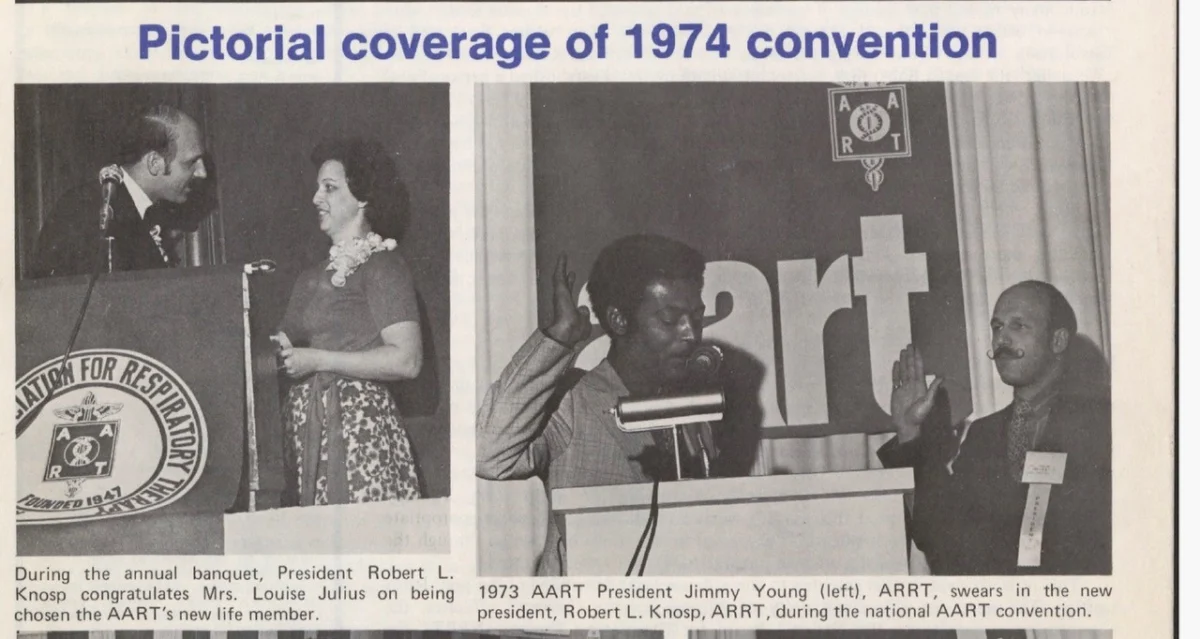
The Jimmy A. Young Award represents the pinnacle of achievement within the respiratory care profession. Named in honor of the late AARC president—a man whose life was synonymous with the advancement of the field—the award is not merely a recognition of clinical prowess, but a tribute to a lifetime of sustained, systemic contributions. It is the ultimate accolade bestowed by the American Association for Respiratory Care (AARC).
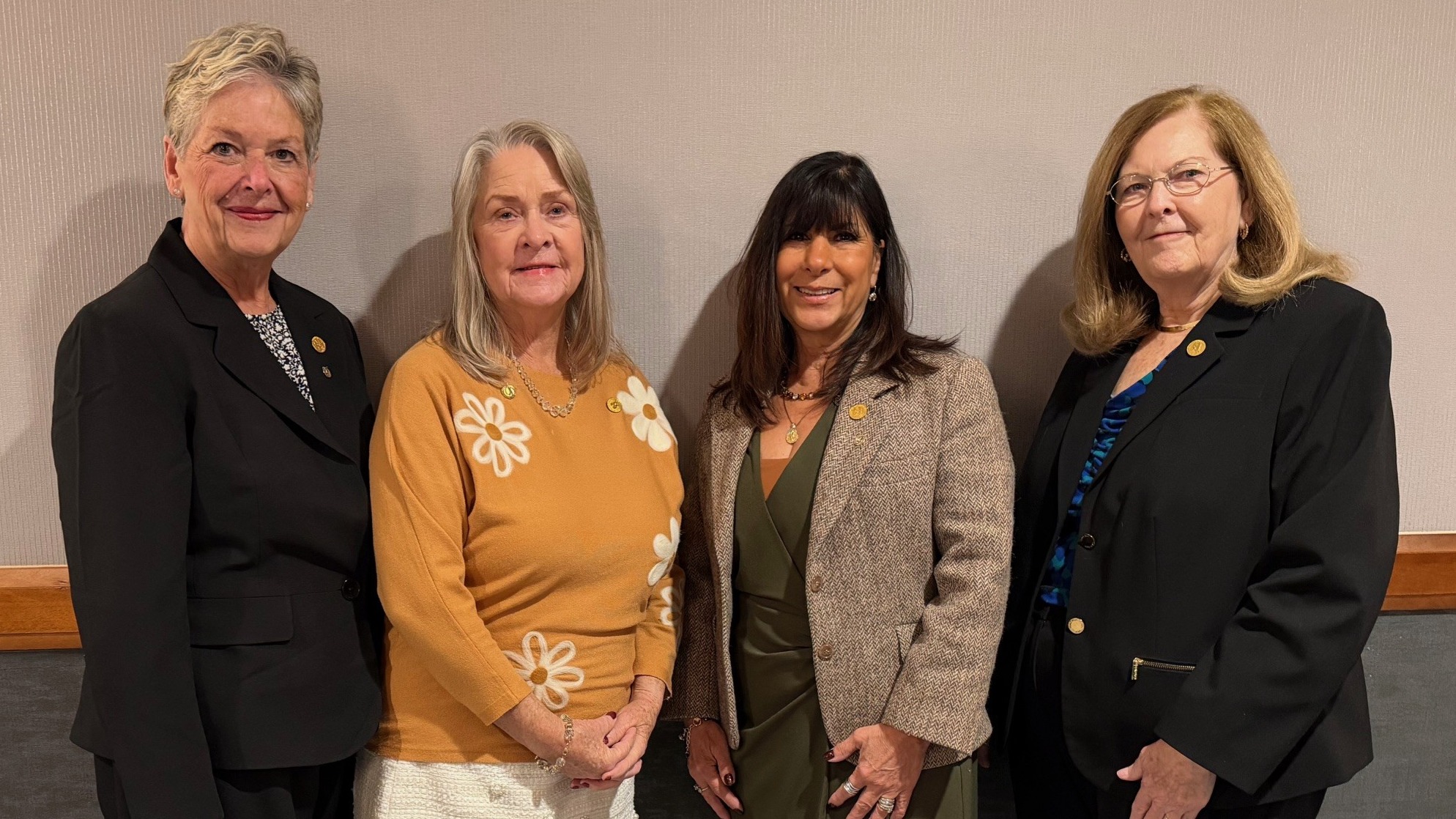
In a landmark retrospective discussion, Lisa Weisenberger, AARC Director of Content and Communications, facilitated a profound dialogue with four of the five women to have ever received this prestigious honor: Dianne Lewis, MS, RRT, FAARC (2025); Trudy Watson, BS, RRT, FAARC (2018); Margaret Traband, MEd, RRT, FAARC (2011); and Teresa Volsko, MBA, MHHS, LSSBB, RRT, FAARC (2020). The group also acknowledged the legacy of Louise Julius, who shared the 1988 honor with her husband, John. This conversation transcended the personal histories of these leaders, offering a window into the evolution of respiratory therapy, the dismantling of gender-based barriers in medicine, and the strategic vision required to shepherd the profession into the future.
A Legacy of Service: The Foundation of Leadership
For these recipients, the path to the Jimmy A. Young Award was not paved with a desire for individual accolades, but rather a profound commitment to service. Their collective narrative is one of "servant leadership," where professional advancement was a byproduct of moving the needle for patient care and industry standards.
Dianne Lewis, the most recent recipient (2025), reflects on the foundational years spent in the AARC House of Delegates. Her career is characterized by a dedication to rigor and standardization. "My group wrote and published the first clinical practice guideline for the association," Lewis recalled. This was a watershed moment for the profession. By moving from anecdotal bedside practices to evidence-based clinical guidelines, Lewis and her peers provided the framework that now ensures standardized, high-quality respiratory care across the United States.
Margaret Traband, who entered the AARC in 1972, offers a perspective rooted in the power of local engagement. "We began with our state societies," Traband explains. "You don’t do it looking for what else you need to check off a list to get an award. You’re just moving ahead where you think you can do the most good." This philosophy—acting locally to drive national change—has been the engine of progress for the profession for over five decades.
Breaking the Glass Ceiling: From Isolation to Inclusion
The history of respiratory therapy is one of rapid professionalization, but it was not without its internal friction. Historically, while women comprised a significant majority of the workforce, they were profoundly underrepresented in the C-suite and high-level governance.
Teresa Volsko provided a striking contrast between the landscape of 1979 and the present day. "In 1979, if you were invited to the table, you didn’t dare bring another woman up with you because there was only one or two seats," Volsko noted. "Now we have the power to change that landscape from being competitive to really lifting each other up."
This shift in culture—from "scarcity mindset" to "mentorship-led growth"—is perhaps the most significant change in the association’s history. The women recognized that they were not just holding their own seats; they were responsible for pulling the next generation of female leaders into the boardroom. This evolution has transformed the AARC from a paternalistic organization into a diverse, representative body that mirrors the reality of the healthcare workforce.
Supporting Data and the Evolution of the Profession
The transition of the respiratory therapy workforce is mirrored in the demographic shifts within the AARC leadership. While the profession began as a specialized, often male-dominated technical field, it has evolved into a multidisciplinary, female-led clinical powerhouse.
Key Milestones in Professional Development
- 1970s: Focus on "Journal Clubs" and the formalization of research-based practice.
- 1980s/90s: The push for standardized clinical guidelines and the professionalization of the RT role within the ICU.
- 2000s–Present: The transition toward advanced degrees (Masters and Doctorates), leadership in quality management, and the expansion of the RT scope into chronic disease management.
The data suggests that as women ascended into these leadership roles, the profession saw a marked increase in public-facing advocacy and collaborative partnerships with organizations like the American Lung Association and the National Board for Respiratory Care (NBRC).
Lessons for the Next Generation: A Roadmap for Success
When asked to provide a roadmap for the next generation of Respiratory Therapists, the recipients did not offer platitudes. Instead, they provided actionable strategies for building a career that is both impactful and sustainable.
1. The Art of Strategic Networking
Trudy Watson emphasized that professional reputation is built on visibility. "Get involved so your name is known and you are trusted within your own organization," Watson advised. She suggests that therapists should not limit their networking to the respiratory department; rather, they should engage with hospital administration, nursing leadership, and external advocacy groups. Building a network is not just about professional advancement—it is about building the political capital necessary to advocate for resources and better patient care.
2. The Mandate of Over-Preparation
Margaret Traband highlighted the importance of clinical intellectualism. "Being over-prepared is status quo for most of us," she said. By reflecting on the research-heavy "Journal Clubs" of the 1970s, Traband reminded the modern RT that the clinical environment is unforgiving of those who are under-informed. To lead, one must be the most prepared person in the room.
3. Leading from the Bedside
Perhaps the most crucial lesson, as articulated by Volsko, is that leadership is not a title; it is an action. "Don’t let the fact that you have the title of a clinical respiratory therapist stop you from doing great things. Lead where you are." This empowerment is essential for clinicians who feel disconnected from administrative decisions. By leading at the point of care, RTs can influence patient outcomes, mentor junior staff, and drive the efficiency of the department.
Implications: Facing the Challenges of a Growing Profession
The profession of respiratory therapy stands at a crossroads. While the demand for skilled RTs is projected to grow significantly over the next decade, the industry faces a potential supply crisis.
The Recruitment Challenge
Trudy Watson pointed out the irony of the current moment: while there are abundant career opportunities, there is a persistent difficulty in "finding the students to fill the seats in the classroom." This highlights a need for better outreach, clearer career pathways, and the promotion of the RT profession as a high-stakes, high-reward medical career.
The Burnout Crisis and the Need for Reflection
The post-pandemic landscape has left the workforce exhausted. The high-acuity nature of the job, combined with the emotional toll of the COVID-19 pandemic, has contributed to significant burnout. Traband’s advice serves as a vital reminder to clinicians at every level: "The further away you get from the bedside, the less positive reinforcement happens. Take the time to reflect at the end of the day. Know that you’ve alleviated breathlessness and calmed patients. Steep in that moment."
This psychological grounding is essential for the long-term viability of the profession. As the scope of the respiratory therapist continues to expand into pulmonary rehabilitation, sleep medicine, and chronic disease management, the ability to find meaning in the daily work remains the primary defense against attrition.
Conclusion: A Future Built on Advocacy
The Jimmy A. Young Award is far more than a trophy on a mantle. It is a testament to the fact that the future of respiratory care is built on a foundation of clinical excellence, tireless advocacy, and the deliberate act of mentorship.
The four women interviewed—Lewis, Watson, Traband, and Volsko—have demonstrated that the most effective leaders are those who stay grounded in the realities of the bedside while maintaining a strategic vision for the future of the field. As the profession looks toward a new era of healthcare, the lessons shared by these luminaries remain clear: master your craft, build your network, lift those around you, and never underestimate the power of leading from wherever you stand.
The evolution of the AARC is a success story of inclusivity and growth. By reflecting on the contributions of these pioneers, the respiratory community is better equipped to meet the challenges of the coming decades, ensuring that the legacy of Jimmy A. Young continues to inspire new generations to reach for the highest standards of care.