










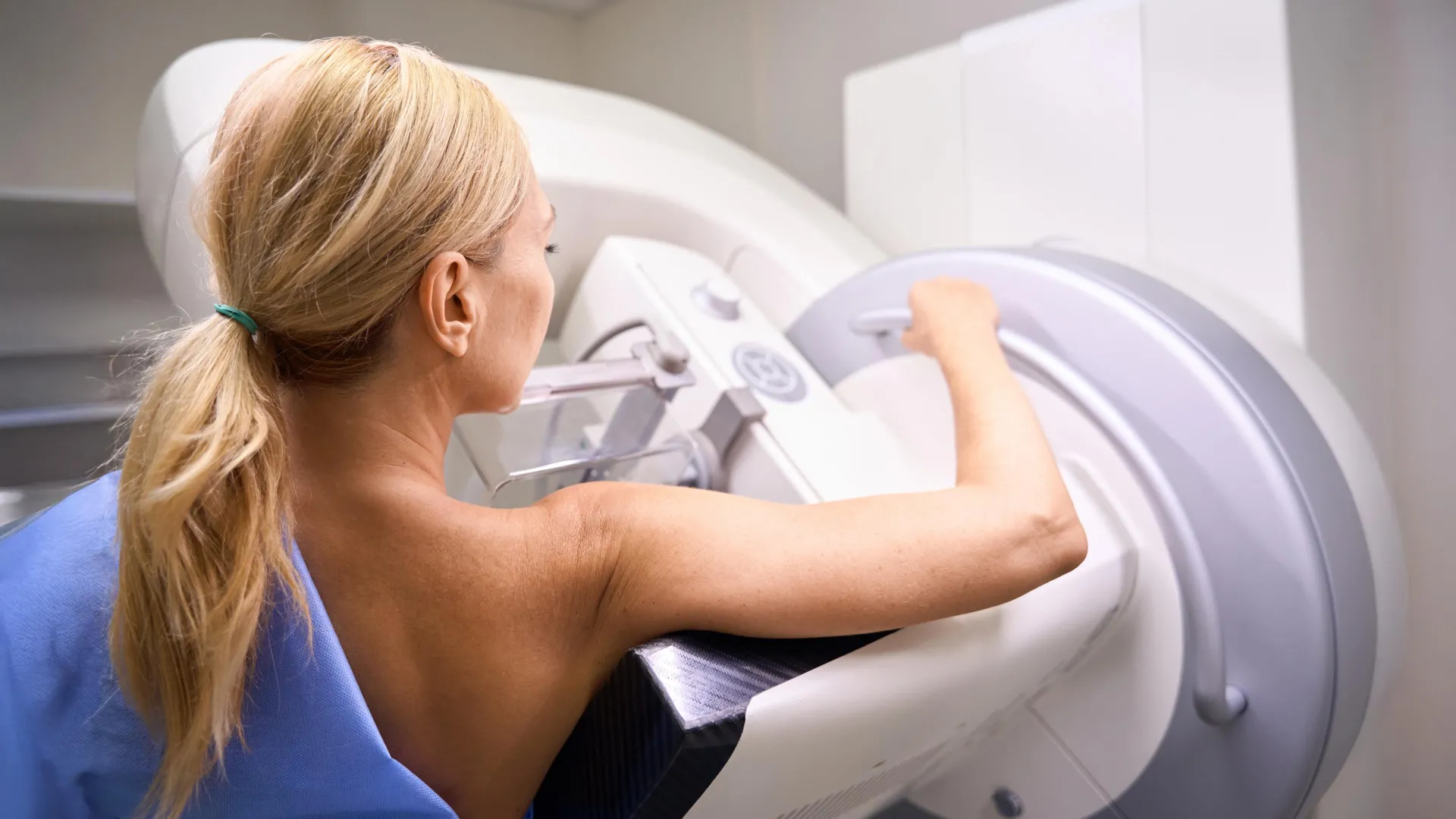
For decades, the public health community has been embroiled in a complex debate regarding the efficacy and risks of population-based breast cancer screening. At the center of this controversy is the concept of "overdiagnosis"—the identification of a cancer through screening that would never have caused symptoms or threatened a patient’s life had it remained undetected. While often cited as a critical drawback of mammography, a landmark new study suggests that the actual rate of overdiagnosis is significantly lower than previously feared, potentially reshaping how medical professionals communicate the benefits of screening to women worldwide.
Understanding the Core Conflict: What is Overdiagnosis?
To grasp the gravity of this debate, one must first define the clinical phenomenon. Overdiagnosis occurs when a mammogram detects a lesion—such as an invasive breast cancer or ductal carcinoma in situ (DCIS)—that is indolent, meaning it is slow-growing and unlikely to progress to a lethal stage. In such cases, the woman would have lived out her natural lifespan without ever knowing the cancer was present, had she not undergone screening.
Furthermore, the definition of overdiagnosis extends to cases where a patient is diagnosed with breast cancer but dies from an unrelated cause shortly thereafter. In these instances, the screening process may have identified a malignancy that, while biologically present, would not have impacted the patient’s mortality or overall quality of life. For years, skeptics of broad screening programs have argued that high rates of overdiagnosis lead to "overtreatment," subjecting healthy women to unnecessary surgery, radiation, and the psychological trauma of a cancer diagnosis.
Chronology of the Debate: From High Estimates to New Clarity
The controversy has been fueled by widely varying estimates derived from randomized controlled trials (RCTs). In previous years, some analyses suggested that as many as 30% to 50% of breast cancers detected via screening could be classified as overdiagnosed. These figures have served as the cornerstone for critics advocating against universal screening guidelines.
However, a team of researchers, including experts from the University of Southern Denmark and Queen Mary University of London, recently sought to re-evaluate this evidence. By aggregating data from all eight major randomized trials—including the New York Health Insurance Plan, the Malmö trial, the Two-County study, and the Canadian National Breast Screening Study—the team aimed to reconcile the conflicting data.
The researchers utilized Denmark’s unique screening rollout as a "real-world" yardstick. Because organized screening was introduced in different Danish regions at different times over a 17-year span, the country provided a natural experiment. This allowed researchers to observe exactly how cancer incidence rates shifted the moment screening was introduced versus how they evolved over subsequent decades.
Supporting Data: The Temporal Context of Detection
The key breakthrough in this new research lies in the understanding of "temporal context." When a screening program is first launched, there is an inevitable, artificial spike in diagnosis rates. This occurs because the program is catching cancers that were already present but had not yet reached a clinical threshold.
"When screening is introduced, the number of breast cancer diagnoses initially rises because cancers are detected earlier than they would have been without screening," explains Elsebeth Lynge, professor emerita at the Department of Public Health, University of Copenhagen. "Over time, this should be followed by a drop, as some of these cancers would otherwise have been diagnosed later. If researchers do not take these factors into account, the initial increase can be mistaken for overdiagnosis."
The research team found that many previous studies failed to account for this "lead time" and the subsequent "catch-up" period where diagnosis rates naturally decline. When they adjusted for these factors, the data from the historic randomized trials began to align closely with the patterns observed in Denmark, where the rate of overdiagnosis is estimated to be below 5%.
"We believe some previous high estimates of overdiagnosis, which influenced screening guidelines and communication, were based on evidence before trial data had fully matured," says Matejka Rebolj, Senior Epidemiologist at Queen Mary University of London. "When interpreted in their full temporal context, randomized trial data are consistent with overdiagnosis of less than five percent, rather than with estimates nearing 50%."
Official Responses and Clinical Perspectives
The findings have been met with cautious optimism by the clinical community. For years, the 30-50% estimates created a climate of uncertainty, leaving many women confused about whether the risks of false positives and over-intervention outweighed the proven mortality benefits of early detection.
Sisse Helle Njor, professor at the University of Southern Denmark and Lillebælt Hospital, emphasizes that the study does not aim to dismiss the risks of screening entirely, but rather to place them in a more accurate perspective.
"The aim of our study was to bring together the evidence from all randomized controlled trials to get a clearer picture of the extent of overdiagnosis in breast cancer screening," Njor stated. "Randomized trials have often been cited as evidence that overdiagnosis is a substantial problem. Our study shows that this interpretation is not as straightforward as it may seem."
The research team hopes that by clarifying these numbers, health authorities can provide a more balanced narrative. The objective is to move away from alarmist statistics and toward a framework that emphasizes the life-saving potential of early detection while acknowledging the existence of a small, manageable risk of overdiagnosis.
The Broader Implications for Public Health Policy
The implications of this study are profound for how health organizations draft their screening guidelines and how clinicians conduct shared decision-making conversations with patients.
1. Reforming Patient Communication
Informed consent requires a clear understanding of both benefits and harms. If women are told that there is a 50% chance they are being "overdiagnosed," they may opt out of a life-saving procedure based on a flawed statistic. With the new data pointing toward a figure closer to 5%, the risk-benefit ratio shifts significantly in favor of participating in screening programs.
2. Reframing the "Overdiagnosis" Narrative
The study underscores the necessity of long-term follow-up in clinical trials. It suggests that many of the high estimates produced in the late 20th century were artifacts of immature data. By looking at the entire lifecycle of a screening program, researchers have highlighted how transient spikes in incidence can lead to widespread misinterpretation of medical efficacy.
3. Future Screening Strategies
By validating that the risk of overdiagnosis is likely minimal, public health officials can focus their efforts on refining screening techniques—such as improving imaging resolution and tailoring screening intervals based on individual risk profiles—rather than debating the fundamental existence of the programs themselves.
Conclusion: A More Realistic Framework
For most women, the decision to participate in a breast cancer screening program is a significant one. The findings from this latest analysis provide a welcome sense of clarity in an otherwise murky field. While no medical screening is entirely free of potential drawbacks, the evidence suggests that the fears surrounding widespread overdiagnosis have been significantly exaggerated.
"Most women will not develop breast cancer," says Professor Njor, "but with this study, we can now be reassured that the benefits of detecting breast cancer early and preventing premature death will outweigh the small risk of unnecessary treatment."
By shifting the narrative from a potential 50% overdiagnosis rate to a more nuanced understanding of temporal detection patterns, this research offers a framework for more honest, evidence-based communication. Ultimately, this creates a safer and more confident path forward for women navigating their health, ensuring that the primary focus remains where it belongs: the prevention of premature death through effective, early intervention.
Funding Disclosure:
This analysis was supported by the Novo Nordisk Foundation (reference: NNF22OC0076184) for Casper Urth Pedersen, and by Cancer Research UK (reference: C8162/A29083) for Matejka Rebolj.