








In an era defined by fluctuating economic climates and tightening institutional budgets, the global scientific community has faced an unprecedented period of instability. For many researchers, the landscape of the past fiscal year has been marked by funding contractions and mounting uncertainty. However, amidst these headwinds, the Cancer Research Institute (CRI) has taken a defiant stance, doubling down on its commitment to the future of immunotherapy. By executing its largest grantmaking cycle to date, the organization is not merely sustaining existing research; it is actively insulating the scientific pipeline against volatility.
The Magnitude of Commitment: Fiscal Year 2025–26
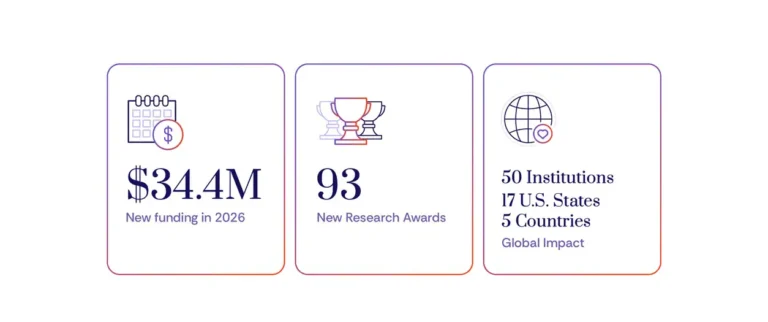
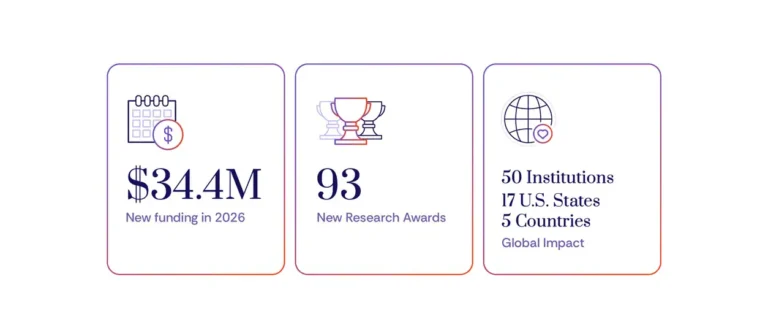
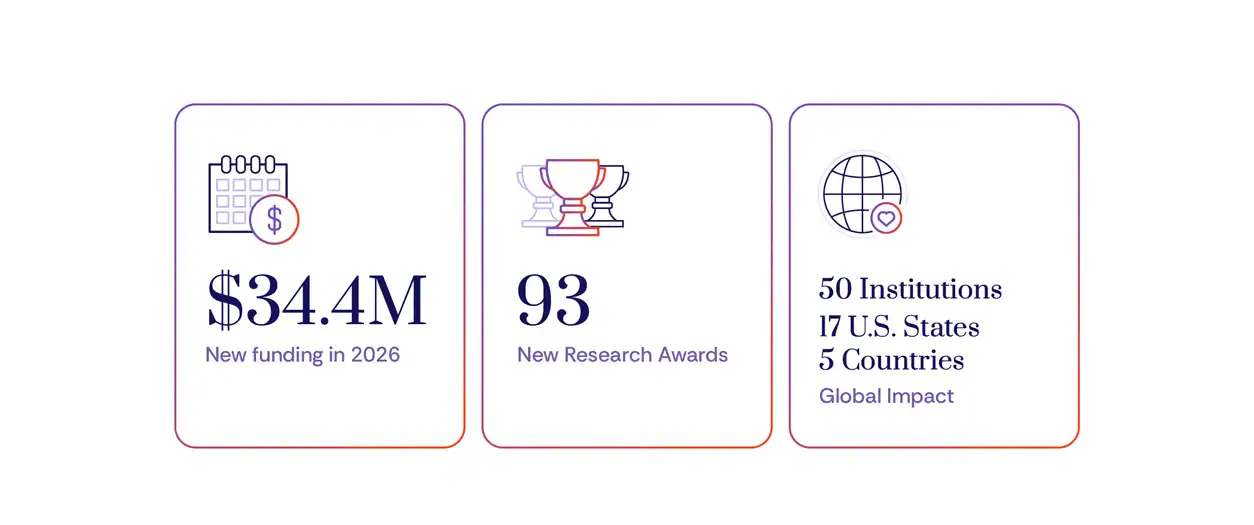
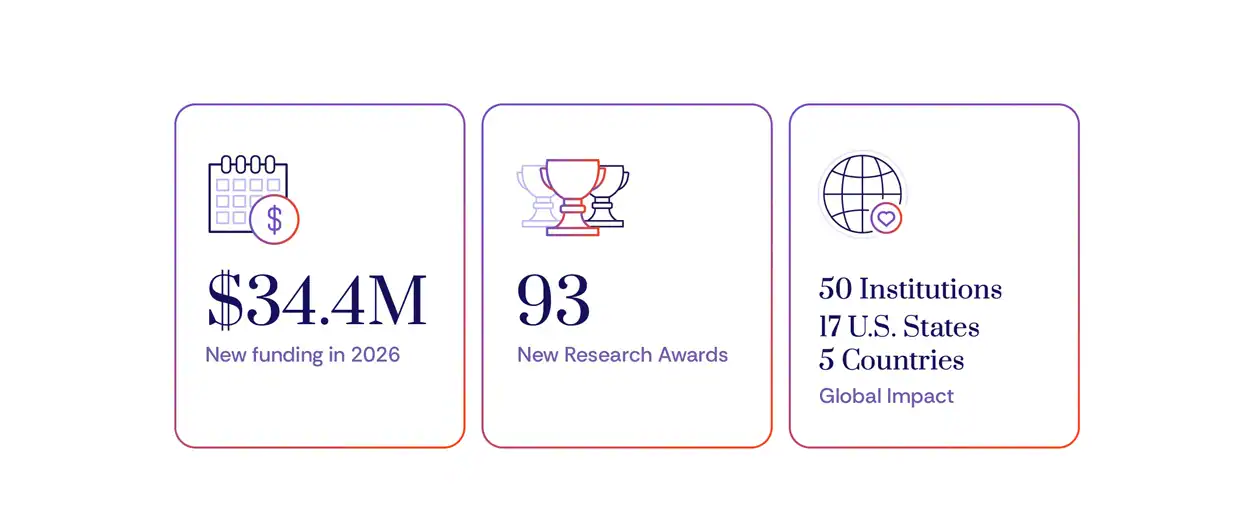
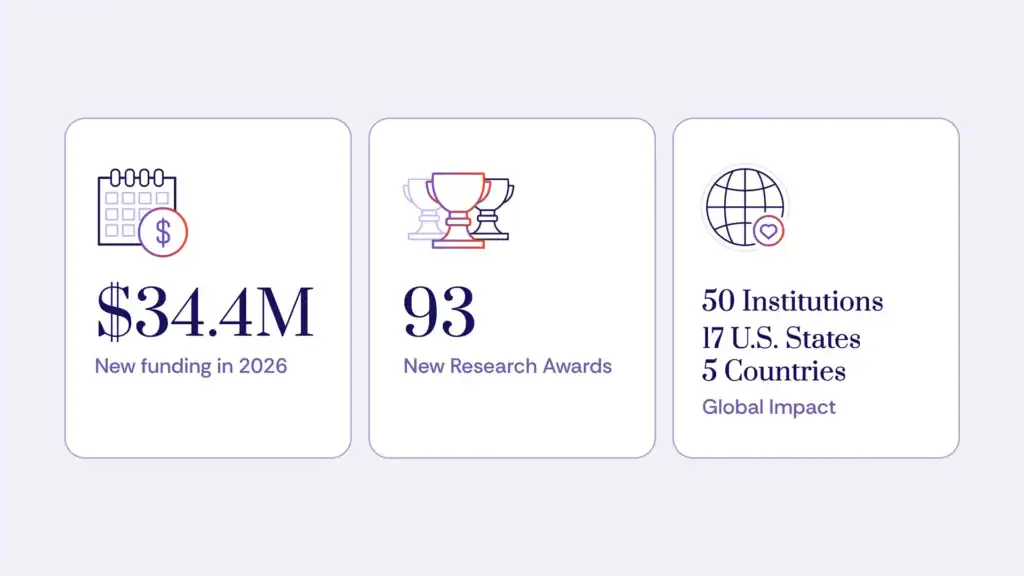
In a testament to its enduring mission, CRI committed a staggering $34.4 million in new funding throughout the 2025–26 fiscal year. This capital injection, distributed across 93 distinct awards, represents the most substantial financial mobilization in the organization’s history.
These resources have been strategically deployed to bolster 50 institutions across 17 U.S. states and five countries. Yet, to view this solely through the lens of currency and geography is to overlook the human element of the mission. Each award functions as a lifeline, allowing scientists to transition from speculative inquiry to evidence-based breakthrough. Whether these investigators are nascent researchers launching their first labs or established leaders spearheading ambitious, field-altering programs, the CRI’s support provides the essential "runway" required for high-stakes scientific exploration.
Chronology of Support: A Continuum of Scientific Development
CRI’s impact is best understood as a multi-generational investment strategy. For over 70 years, the organization has pioneered a model that identifies talent long before it reaches mainstream recognition. This approach operates on a continuum of support designed to mitigate the inherent risks of cancer research.
Phase 1: Launching the Future (Postdoctoral Fellowships)
The foundation of the CRI’s model begins with postdoctoral fellowships. By supporting scientists at the earliest stages of their independent research careers, the Institute acts as a venture capitalist for human potential, betting on early-stage talent that traditional, more conservative funding bodies might overlook.
Phase 2: The Critical Transition (The IGNITE Award)
The most precarious juncture in any scientist’s trajectory is the transition from a post-doctoral trainee to an independent principal investigator. This "vulnerable period" is where promising careers often stall; researchers are expected to establish labs, define original hypotheses, and generate preliminary data, all while competing for long-term funding in a saturated market.
To bridge this gap, CRI introduced the IGNITE Award (Inspiring Growth and Nurturing Independence Through Excellence). This program provides the necessary bridge funding to ensure that bold ideas do not wither due to a lack of immediate, flexible resources.
Phase 3: The Peak of Impact (CRI Lloyd J. Old STAR Awards)
For those who have established their independence, CRI offers the Lloyd J. Old STAR (Scientists Taking Risks) Awards. These grants are specifically designed to afford established investigators the liberty to pursue high-risk, high-impact avenues of inquiry that might be deemed too "experimental" for standard grant structures, fostering a culture of innovation that pushes the boundaries of current oncology.
Case Study: Dr. Simone Park and the Future of Memory T Cells
The efficacy of the IGNITE model is perhaps best illustrated by the career of Dr. Simone Park, a faculty member at the University of Pennsylvania and an inaugural recipient of the IGNITE Award.
Dr. Park’s journey with the CRI began during her postdoctoral training. Having received foundational support early on, she was able to sharpen her focus on "tissue-resident memory T cells." These specialized immune cells represent a frontier in oncology; they reside in tissues rather than circulating in the blood, acting as sentinels that may hold the key to preventing cancer recurrence.
Through the IGNITE Award, Dr. Park is currently establishing an independent lab dedicated to uncovering the molecular mechanisms that allow these cells to persist. By identifying the biological "durability" of these defenders, Dr. Park hopes to engineer stronger, longer-lasting immune protections against metastatic disease. Her progression from a trainee to a lead investigator serves as a primary example of how sustained, multi-stage support transforms potential into clinical reality.
Supporting Data and Institutional Ecosystem
Beyond the raw figures of the $34.4 million investment, the CRI ecosystem functions as a comprehensive support system for the immunotherapy field. The organization’s strategy is multifaceted:
- Clinical Studies: Facilitating the movement of laboratory findings into human trials.
- Data Infrastructure: Developing and maintaining shared computational resources that allow disparate labs to synthesize and analyze complex immunological data.
- Professional Development: Equipping researchers with modern computational skills necessary to navigate the data-heavy landscape of modern genomics.
- Patient Advocacy: Translating complex immunological concepts into actionable, trusted information for patients and caregivers, ensuring that the fruits of research are accessible to the public.
This holistic approach recognizes that discovery is not a linear process. By building an environment where data is shared, skills are upgraded, and patients are informed, CRI ensures that the research it funds does not exist in a vacuum.
Implications for the Future of Oncology
The implications of this record-setting year are profound. By maintaining a steady flow of capital into the scientific ecosystem, CRI is effectively preventing a "lost generation" of researchers who might have otherwise abandoned the field due to funding cuts.
"Uncertainty may alter the landscape in which science advances, but it does not change what progress requires," the Institute noted in its 2026 Annual Impact Report. "It requires exceptional people, bold ideas, and the sustained support to bring them together."

The shift toward programs like IGNITE signals a broader evolution in medical philanthropy. As the biology of cancer becomes increasingly complex, the need for agile, flexible, and long-term support has never been greater. The CRI’s model demonstrates that the best way to handle uncertainty is not to retreat, but to deepen the investment in the individuals who will ultimately solve the puzzle of human disease.
Looking Ahead: The Road to 2027
As the scientific community looks toward the coming years, the challenges of cancer research remain formidable. However, the CRI’s recent performance provides a blueprint for resilience. By prioritizing the "human infrastructure" of science—investing in the researchers themselves rather than just individual projects—the organization has solidified its role as a cornerstone of the global cancer research community.
The 2026 Annual Impact Report is not merely a summary of past success; it is a promise kept to the millions of patients awaiting new treatments. With 93 new awards distributed and a robust cohort of early-career scientists now empowered to pursue their own original questions, the Institute is positioned to enter the next year with significant momentum.
For the Cancer Research Institute, the record-breaking figures of the last fiscal year are not an endpoint, but a foundation. As they state with quiet confidence, "There is extraordinary work still ahead of us. And we’re just getting started."