










In an era defined by fiscal volatility and a tightening global funding landscape for academic research, the Cancer Research Institute (CRI) has taken a defiant stand. While many institutions have retreated in the face of economic headwinds, the CRI has chosen a path of aggressive expansion, marking the 2025–26 fiscal year as a historic milestone in its 70-year mission to conquer cancer through the power of the human immune system.
The Pillars of Progress: A Record-Breaking Year
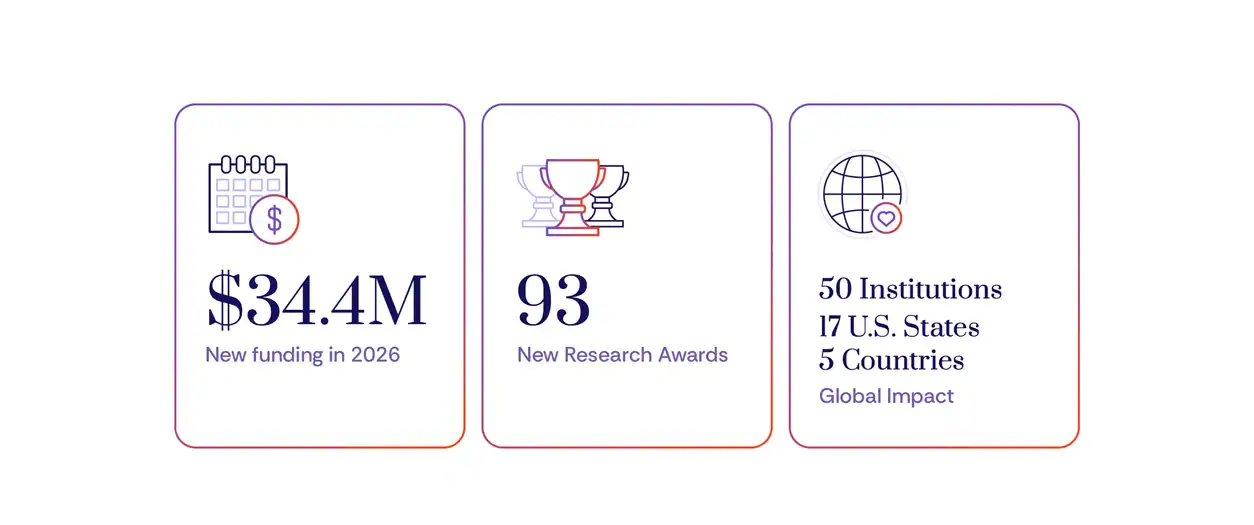
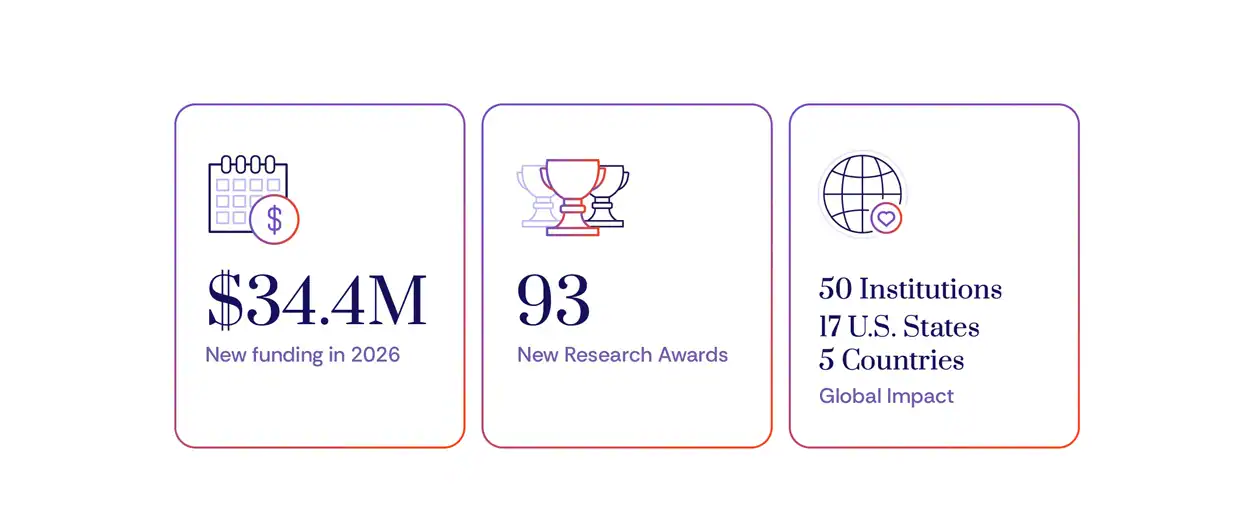
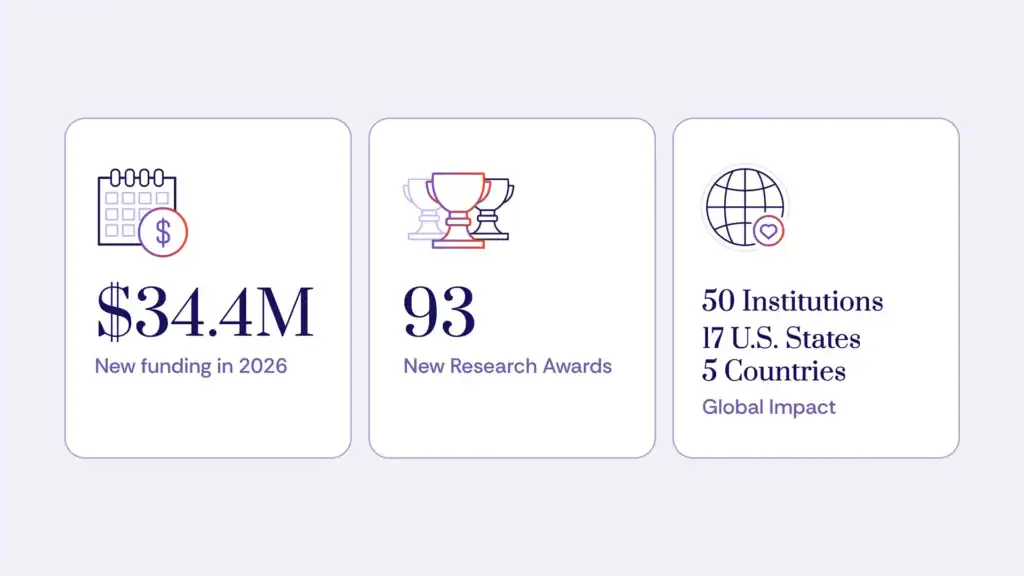
The fiscal year 2025–26 will be remembered as a watershed moment for the organization. CRI committed a staggering $34.4 million in new research funding, distributed across 93 distinct awards. This represents the largest grantmaking endeavor in the institute’s history. These investments are not merely transactional; they are strategic injections of capital into the veins of scientific discovery, reaching 50 elite research institutions across five countries and 17 U.S. states.
However, the raw data—while impressive—belies the human element of the mission. Behind every dollar is a scientist standing at a precipice, holding a hypothesis that could fundamentally alter the trajectory of cancer treatment. Whether these researchers are early-career scientists launching their first independent labs or seasoned investigators pursuing high-risk, high-reward breakthroughs, the CRI’s role has been to provide the one thing most funding bodies cannot: the flexibility and confidence to follow the science wherever it leads.
Chronology of Commitment: A Seven-Decade Legacy
To understand the significance of this year’s record funding, one must look at the historical context of the CRI. Founded over 70 years ago, the institute has long operated under a simple but radical philosophy: invest in the individual, not just the project.
- 1950s–1990s: The CRI pioneered the field of cancer immunotherapy when it was still considered a fringe science. By funding early pioneers, the institute helped transform immunotherapy from a theoretical concept into the "fourth pillar" of cancer treatment.
- Early 2000s: The establishment of the Lloyd J. Old STAR Awards set a new standard for supporting high-impact investigators, allowing them the freedom to pivot their research based on real-time data without the constraints of rigid, short-term grant cycles.
- 2025–2026: The launch of the IGNITE Award (Inspiring Growth and Nurturing Independence Through Excellence) represents the latest evolution in this timeline, specifically designed to address the "valley of death" that plagues junior faculty.
Supporting the Vanguard: The IGNITE Award
One of the most consequential periods in a researcher’s life is the transition from postdoctoral training to an independent principal investigator (PI). This phase is characterized by extreme vulnerability. Scientists must secure their own laboratory space, recruit a team, and generate original data to prove their viability—all while competing for shrinking pools of federal funding. Many brilliant careers stall here, not because of a lack of talent, but because of a lack of bridge funding.
The IGNITE Award was created to solve this. By providing targeted, substantial financial support at this exact inflection point, the CRI ensures that the next generation of scientific leaders is not lost to bureaucracy or funding droughts.
Case Study: Dr. Simone Park’s Frontier
A primary example of this vision in action is Dr. Simone Park, PhD, at the University of Pennsylvania. Dr. Park is an inaugural recipient of the IGNITE Award, but her relationship with the CRI began years earlier as a postdoctoral fellow.
Dr. Park’s research is currently focused on the mechanics of tissue-resident memory T cells. These specialized immune cells remain in specific tissues long after an initial infection or exposure, acting as a "sentinel" force. If a cancer cell attempts to recur in that same tissue, these memory T cells are designed to recognize and neutralize the threat immediately.
"The goal is to understand the durability of these cells," says Dr. Park. "By uncovering the biological blueprints that allow these cells to persist, we hope to develop strategies that effectively ‘train’ the immune system to provide long-term, systemic protection against cancer recurrence."
Her career trajectory—from fellow to independent program lead—is the exact "continuum of support" that the CRI strives to cultivate. It proves that by investing in a person across different stages of their career, the institute creates a feedback loop of innovation that accelerates the development of life-saving therapies.
Data-Driven Impact: Beyond the Bench
The CRI’s influence extends far beyond the laboratory bench. In 2026, the institute continued to expand its footprint in the clinical and digital spheres:
- Clinical Studies: Facilitating trials that translate bench-side findings into patient-facing treatments.
- Computational Empowerment: Equipping a new generation of scientists with advanced computational skills to handle the massive datasets inherent in modern immuno-genomics.
- Patient Navigation: Providing essential resources to patients and caregivers who are often overwhelmed by the complexity of immunotherapy protocols.
These efforts form a comprehensive ecosystem. By linking data science, clinical trial infrastructure, and human support, the CRI ensures that the biological discoveries made in the lab are rapidly and safely translated into the clinic, where they can have the most impact on patient outcomes.
Official Perspectives: Navigating the Uncertainty
The leadership at the Cancer Research Institute maintains that while the geopolitical and economic climate is indeed unpredictable, the fundamental requirements for progress remain unchanged.
"Uncertainty is a constant in the world of high-stakes science," notes a spokesperson for the institute. "However, the answer to uncertainty is not caution; it is conviction. By maintaining our commitment to funding high-risk ideas and nurturing the talent of brilliant early-career scientists, we are building a buffer against the volatility of the broader research environment. We are keeping the gears of innovation turning when others might stop."
This sentiment is echoed in the institute’s 2026 Annual Impact Report. The document serves as both a scorecard and a manifesto, documenting the successes of the past year while framing them as a necessary foundation for the work still to come.

Implications for the Future
The implications of the CRI’s recent surge in funding are significant for the broader scientific community. By proving that a mission-driven organization can operate at record capacity during a downturn, the CRI is setting a standard for other non-profits and private funding bodies.
Furthermore, the focus on the "continuum of support" addresses a structural flaw in modern science: the tendency to reward short-term, iterative results over long-term, transformative discovery. By betting on people like Dr. Park, the CRI is effectively "buying time" for the field, allowing the best minds in the world to tackle the most complex, intractable problems in cancer biology without the pressure of quarterly deliverables.
As the scientific community looks toward the remainder of the decade, the path ahead remains complex. The biology of cancer continues to evolve, and the challenges of translating lab work into clinical practice remain immense. Yet, there is a renewed sense of momentum. With a record-breaking $34.4 million now circulating through the global research ecosystem, the CRI has made its position clear: they are not waiting for the environment to become more certain. They are building the future, one breakthrough at a time.
For the patients currently in treatment and those who will be diagnosed in the future, the work of the CRI represents more than just institutional growth; it represents the expansion of hope. The institute has made its promise, and according to their recent report, they are only just getting started.