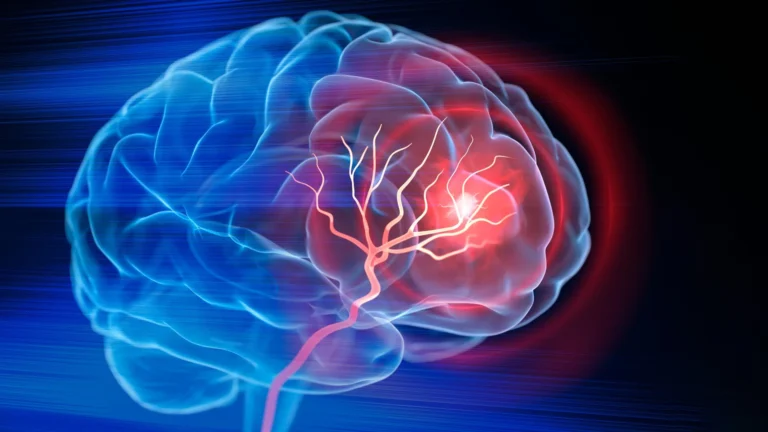







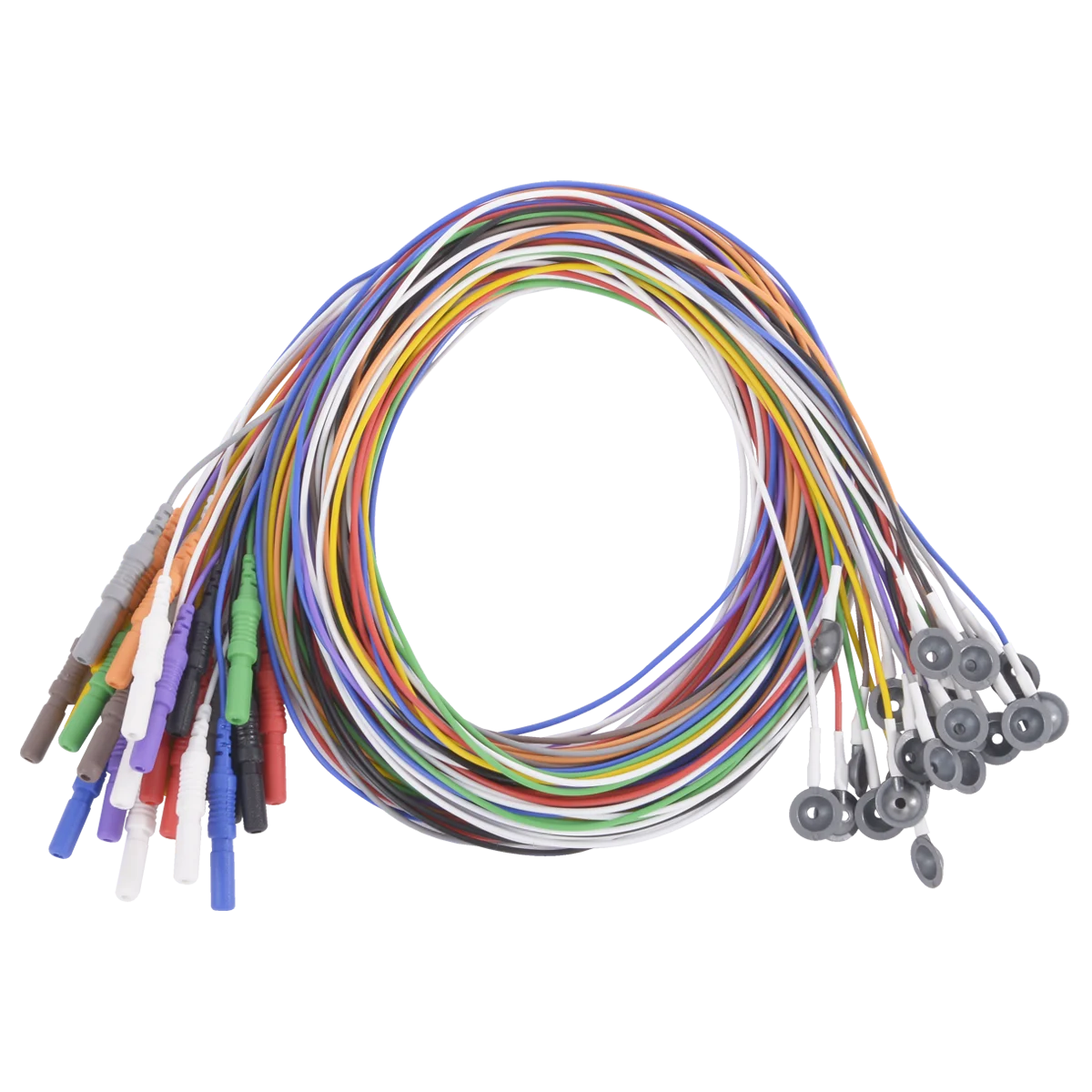
In the modern landscape of sleep medicine, the electroencephalogram (EEG) serves as the definitive tool for unlocking the mysteries of the brain’s nocturnal activity. By recording the electrical fluctuations generated by neuronal activity, clinicians can distinguish between wakefulness and various stages of sleep, identify arousals, and diagnose complex sleep disorders. As the gold standard in sleep diagnostics, the quality and application of EEG electrodes have become paramount. This article explores the current state of EEG technology, compares leading disposable electrode solutions, and examines how these tools are bridging the gap between clinical labs and home-based diagnostics.
The Foundation: Understanding EEG in Sleep Medicine
At its core, an EEG electrode is a specialized sensor designed to convert the ionic electrical signals produced by the brain into digital data that can be interpreted by medical software. In a clinical setting, these electrodes are placed on the scalp according to the international 10-20 system. This standardized method ensures that practitioners can consistently record activity from specific brain regions—including the pre-frontal, frontal, temporal, parietal, and occipital lobes—allowing for a comprehensive map of brain function during both rapid eye movement (REM) and non-REM sleep cycles.
A Brief Chronology of EEG
The history of the EEG is a testament to the rapid advancement of neurological science. The first successful human EEG recording was conducted in July 1924 by German psychiatrist Hans Berger. Berger, who initially called his discovery the Elektrenkephalogramm, spent years perfecting the technique, which would eventually revolutionize how we understand epilepsy, sleep architecture, and consciousness.

For much of the 20th century, EEG was confined to the specialized environment of the sleep laboratory. The complexity of the 10-20 configuration, which requires precise scalp preparation and conductive gels, necessitated the presence of skilled sleep technologists. However, as demand for sleep studies has surged, the industry has shifted toward making these tools more accessible, durable, and user-friendly, paving the way for the "home sleep testing" (HST) revolution that characterizes the current decade.
Clinical Implications: The Shift to Home Testing
Traditionally, EEG electrodes were strictly the domain of in-lab polysomnography (PSG). The labor-intensive nature of electrode placement and the need for continuous signal monitoring made them impractical for home environments. Today, that paradigm is shifting.
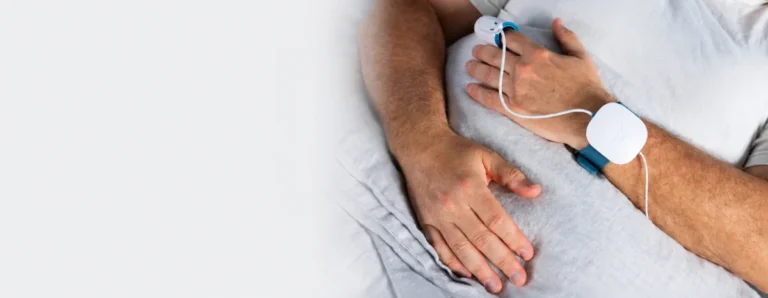
While the full 10-20 configuration remains the benchmark for comprehensive in-lab diagnostic accuracy, simplified EEG setups are increasingly being incorporated into Type II home sleep testing. This transition is driven by the need to capture "real-world" sleep data, as patients often sleep more naturally in their own beds than in a clinical environment. Innovations in electrode design—such as disposable, low-impedance cups and integrated patch-based sensors—have reduced the barrier to entry, allowing for higher quality home recordings without sacrificing patient comfort.

Comparative Analysis: Leading EEG Electrode Technologies
Selecting the right electrode requires balancing signal fidelity, patient comfort, and clinical workflow efficiency. Below, we examine several key manufacturers and their current offerings as of late 2026.
1. Cadwell: Versatility in Clinical Workflow
Cadwell offers a diverse range of disposable EEG cup electrodes designed to accommodate varied clinical needs. Their product line is characterized by a focus on reducing patient infection risk through single-use disposability. They offer both standard cups for delicate skin and "deep cup" configurations that hold up to 50% more conductive paste, making them ideal for the extended monitoring requirements of long-term sleep studies.
2. Dymedix Diagnostics: Comfort-Focused Gold
Dymedix focuses on patient experience through its Precision Gold Disposable EEG electrodes. Gold is often preferred for its excellent conductivity and resistance to corrosion. These electrodes are engineered with a low-profile, flat-rimmed design that minimizes skin irritation, a critical factor for patients who struggle with the discomfort of overnight headgear.

3. Med-Dyne: Reliability in Silver/Silver Chloride
Med-Dyne utilizes silver/silver chloride (Ag/AgCl) plating, the industry standard for maintaining stable signal impedance. By focusing on low-impedance technology, Med-Dyne ensures that the electrical "noise" floor is kept to a minimum, resulting in cleaner, more interpretable brainwave data.
4. Natus Medical: The Grass Deep-Cup Standard
The Natus Grass line is a staple in many clinical sleep centers. These Ag/AgCl deep-cup electrodes are designed for robust signal acquisition. Featuring a signature 2mm hole for paste application and color-coded leads, they are engineered to integrate seamlessly with standard polysomnography hardware, offering high compatibility with various gels and adhesives.
5. Rhythmlink International: Workflow and Safety
Rhythmlink distinguishes itself by offering a broad range of specialized electrodes, including CT-artifact-free and MR-conditional options. For facilities that handle patients who may require follow-up imaging, Rhythmlink’s ability to provide electrodes that do not interfere with magnetic resonance imaging is a significant logistical advantage.

6. X-Trodes: The Future of Wearable EEG
Representing a departure from traditional "cup and wire" setups, X-Trodes SmartSkin utilizes printed dry-electrode technology. By integrating multiple sensors into an ultra-thin, soft, wearable patch, X-Trodes eliminates the need for messy gels and tedious manual placement. This technology is particularly well-suited for home-based sleep studies and multi-night monitoring, as it simplifies the application process to a self-applied, wireless format.
Data Summary: Technical Specifications at a Glance
| Feature | Plating Material | Key Advantage | Best Use Case |
|---|---|---|---|
| Cadwell | Ag/AgCl | Wide variety of configurations | General clinical/Long-term |
| Dymedix | Gold | Patient comfort (flat rim) | Extended monitoring |
| Med-Dyne | Ag/AgCl | Low impedance signal stability | Routine diagnostic |
| Natus (Grass) | Ag/AgCl | Proven reliability/Standardization | Standard PSG |
| Rhythmlink | Ag/AgCl | MR-Conditional options | Multi-modal diagnostics |
| X-Trodes | Carbon | Wireless/Self-applied | Home testing/Comfort |
Implications for Future Sleep Diagnostics
The trajectory of EEG electrode technology points toward three distinct areas of advancement: miniaturization, material science, and data integration.
Miniaturization and Wearability
As demonstrated by the X-Trodes SmartSkin, the movement toward "invisible" sensors is gathering pace. Patients are increasingly resistant to the traditional "wired" experience, which can disrupt the very sleep it intends to measure. By moving toward patches and wireless connectivity, the industry is moving closer to achieving the "holy grail" of sleep medicine: the ability to track accurate brain activity for weeks or months at a time, rather than just a single night in a lab.

Material Science
The choice between silver/silver chloride, gold, and carbon is not merely cosmetic. Each material reacts differently to the chemistry of the skin and the conductive gels used to bridge the electrode-to-scalp gap. As we move toward more sensitive amplifiers, the industry is seeing a renewed focus on materials that offer lower "offset voltages," which prevents the signal drifting that can plague long-term recordings.
Clinical Workflow and Standardization
Despite the innovation, the 10-20 system remains the bedrock of neuro-diagnostic classification. Manufacturers are currently focused on ensuring that new, "easier-to-apply" electrodes still maintain the spatial resolution required to satisfy this system. The challenge for the next decade will be maintaining this rigorous diagnostic accuracy while simultaneously reducing the time a technician spends on setup—a shift that will ultimately lower costs and increase the availability of sleep care to underserved populations.
Concluding Thoughts
The humble EEG electrode has come a long way since Hans Berger’s first experiments in 1924. While the fundamental physics of capturing electrical brain activity remains constant, the delivery systems have become more sophisticated, patient-centric, and data-rich.

For sleep labs, the current market offers a wealth of options, from the gold-plated comfort of Dymedix to the specialized, MR-conditional offerings of Rhythmlink. For the home testing market, the emergence of wireless, dry-electrode technology like that from X-Trodes suggests a future where sleep diagnostics are no longer an "event" conducted in a clinic, but a routine, comfortable part of personal health monitoring. As we continue to refine these tools, the goal remains the same: to provide the clearest possible window into the sleeping brain, ensuring that patients receive the accurate diagnosis and care they deserve.
Disclaimer: This guide is based on information provided by electrode marketers. Sleep Review strives for accuracy but cannot be held responsible for specific claims made by manufacturers. For technical inquiries regarding electrode usage or integration with your specific PSG hardware, please consult the manufacturer’s technical support documentation or reach out to the editorial team for further guidance.