








In an era of standardized healthcare, where clinical guidelines often dictate a "one-size-fits-all" approach to medicine, Ayurveda offers a profound departure. It operates on a foundational premise that no two human beings are identical, and consequently, no two paths to wellness should be the same. This ancient Indian system of medicine, which views health as a dynamic state of equilibrium between the body, mind, and spirit, is gaining renewed attention for its highly individualized approach to healing.
While modern allopathic medicine frequently focuses on symptom management—often described by practitioners as placing a "band-aid" over an ailment—Ayurveda seeks to identify the samprapti, or the root pathogenesis of a disease. By analyzing the unique constitution of the individual and the specific nature of their imbalance, Ayurvedic practitioners craft bespoke treatment protocols that address the source of illness rather than merely suppressing its manifestations.
Understanding the Ayurvedic Philosophy: Beyond Symptom Management
The success of Ayurveda lies in its granular approach to pathology. In conventional medicine, a condition like diabetes may be categorized into two primary types. In the Ayurvedic tradition, however, there are twenty distinct classifications of diabetes, each requiring a different therapeutic lens. Similarly, pain is not treated as a monolithic condition; it is categorized by the doshas—Vata, Pitta, and Kapha—each requiring specific interventions based on the qualities of the pain (e.g., sharp and erratic for Vata, burning and inflammatory for Pitta, or dull and heavy for Kapha).
The role of the Ayurvedic practitioner is that of a specialized architect of health. Their task is to evaluate the patient’s prakruti (inherent constitution) and vikruti (current state of imbalance). By observing which qualities are currently dominating the system, they design a protocol that restores the individual to their baseline of health.
The Three Stages of Panchakarma: A Chronology of Detoxification
The cornerstone of intense Ayurvedic intervention is Panchakarma, a rigorous detoxification process. While the term translates to "Five Actions," it is far more than a set of standard procedures. It is a comprehensive three-stage journey that requires constant professional supervision to ensure safety and efficacy.
Stage 1: Purvakarma (Preparation)
Before the body can undergo the primary detoxification, it must be prepared. Purvakarma is the foundational stage where the practitioner works to kindle the agni, or digestive fire. This is vital because, in Ayurveda, the accumulation of ama (toxins) is often a result of weak digestion.
During this phase, the patient is introduced to internal oleation—the ingestion of medicated ghees or oils. This process lubricates the tissues from the inside out, effectively loosening toxins that have become lodged deep within the cellular matrix, allowing them to migrate into the digestive tract for eventual elimination. The customization here is immense: one patient might require specific ginger-based digestive stimulants, while another may need targeted hydration protocols to stabilize their internal fire.
Stage 2: Pradhānakarma (The Five Actions)
Once the system is saturated and prepared, the "Five Actions" are initiated to purge the body of accumulated toxins. This stage is highly specific to the patient’s current clinical needs:
- Virechana (Purgation): Targeted at the small intestine, liver, and gallbladder—the seats of Pitta. This therapy uses herbal laxatives to purge excess heat and toxins from the body.
- Basti (Enema): Focusing on the large intestine, the home of Vata, this therapy utilizes herbalized teas or oils. It is a sophisticated method of delivering nutrients directly to the colon walls while simultaneously cleansing the area.
- Vamana (Emesis): Reserved for specific imbalances involving excess Kapha in the stomach, this involves a controlled therapeutic emesis using licorice and salt water. It is not a standard procedure and is only performed under strict, qualified supervision.
- Nasya (Nasal Administration): This involves the application of medicated oils into the nasal passages. It is particularly effective for head-space imbalances, sinus congestion, and mental clarity, with the specific oil chosen based on the patient’s doshic profile.
- Raktamoksha (Blood Cleansing): Traditionally involving the use of leeches, this therapy aims to purify the blood, which is considered the life-giving force (jivanam) of the body. While rare in modern Western clinical settings, its goal remains the removal of deep-seated toxins from the circulatory system.
Stage 3: Paschyātkarma (Post-Treatment Rejuvenation)
The detoxification process is physically demanding. Once the toxins have been eliminated, the body is left in a sensitive state. Paschyātkarma focuses on rebuilding. The practitioner designs a specialized diet and lifestyle plan intended to foster tissue nutrition and stabilize the digestive fire. This stage is critical for long-term vitality, ensuring that the patient does not slip back into the patterns that caused the initial imbalance.
Supporting Data and Clinical Implications
The clinical efficacy of Panchakarma is predicated on the practitioner’s ability to monitor the patient’s agni (digestive strength) and ama (toxin load) throughout the entire process. Data from clinical settings suggest that when these protocols are individualized, patients report significant improvements in chronic inflammatory conditions, digestive disorders, and metabolic health.
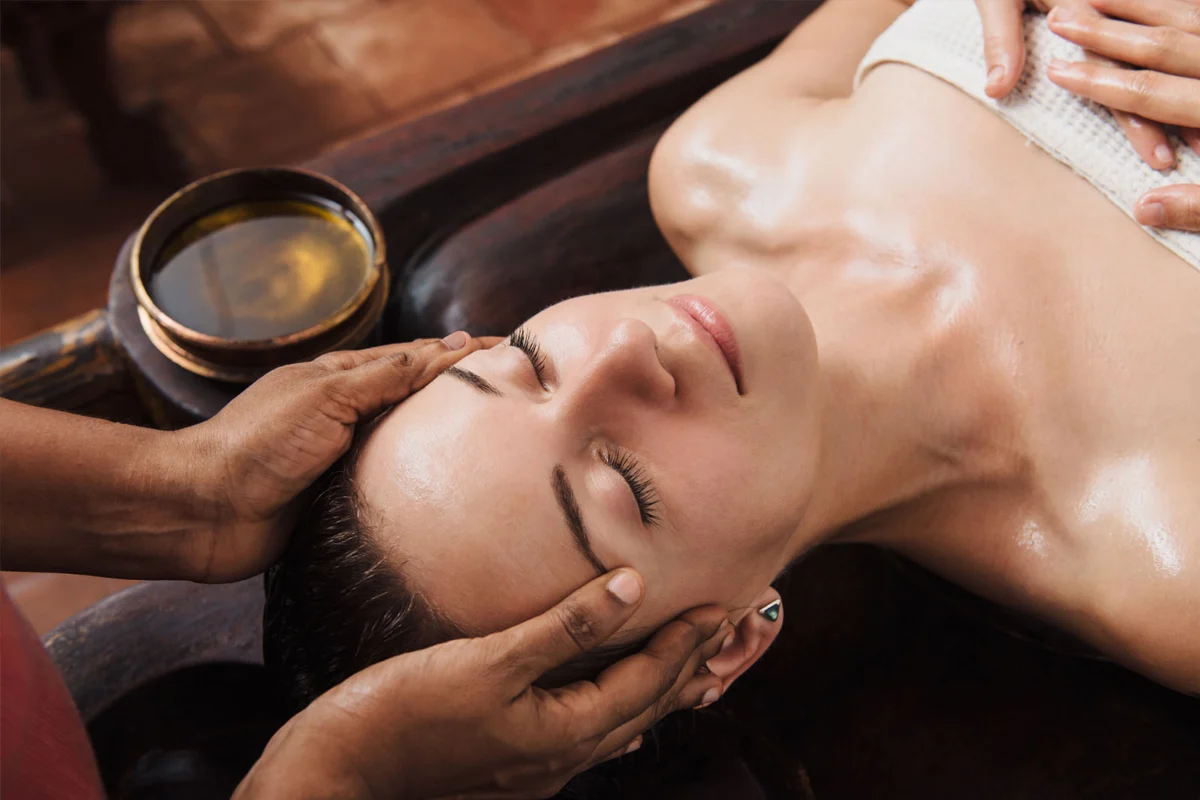
However, the medical community emphasizes that Panchakarma is not a "spa treatment" but a medical procedure. The implications of improper implementation are significant; if a practitioner fails to properly assess the patient’s constitution, the aggressive nature of detoxification can lead to severe depletion or the aggravation of existing imbalances.
The Vital Role of the Practitioner
The primary takeaway from the study of Ayurveda is that the practitioner is the essential variable. As the popularity of Ayurvedic wellness grows, there is an increasing risk of "watered-down" versions of these ancient therapies being offered in commercial settings.
Experts advise that individuals seeking Panchakarma must verify the credentials of their practitioner. A qualified practitioner must be trained not only in the application of the five actions but in the nuanced science of samprapti (disease process). Without this deep understanding, the treatment loses its precision and, by extension, its potential for healing.
Implications for Future Wellness
As we look toward the future of holistic medicine, the Ayurvedic model serves as a compelling argument for the return of personalization in healthcare. The shift from treating the "disease" to treating the "person" is a concept that is gaining traction across the global medical landscape.
For those looking to engage with this path, the advice is clear: align your personal wellness values with a center that prioritizes education, lineage, and a rigorous, individualized approach to care. Whether through specialized education programs—such as those offered by the Ayurveda.com Studies Program—or through reputable institutions like the SoHum Mountain Healing Resort, the focus must remain on the integrity of the practitioner-client relationship.
In conclusion, while the tools of Panchakarma—the oils, the herbs, and the actions—are time-tested, it is the human intelligence behind their application that determines the outcome. By embracing the complexity of our own biology and seeking out practitioners who respect the individualized nature of the human experience, we can leverage the profound wisdom of Ayurveda to achieve a state of lasting, vibrant health.