









In the complex landscape of long-term care, there is a prevailing mantra: caregiving is a marathon, not a sprint. Yet, for the millions of Americans acting as the primary support system for aging or ailing loved ones, the finish line is often invisible, and the pace is relentless. As we mark September as Self-Care Awareness Month, the focus shifts to a critical, often neglected aspect of the caregiving experience: the necessity of the respite break.
In the latest episode of the "Caregiving Club On Air" podcast (Season 6, Episode 74), host Sherri Snelling—a nationally recognized corporate gerontologist and author—sat down with Laura Williams, the founder and CEO of Respitely. Their conversation illuminates a transformative approach to caregiver support, shifting the responsibility of "taking a break" from the isolated caregiver to the collective network of friends and family.
Main Facts: The "CareGifting" Paradigm
The central premise of the discussion is that caregivers frequently suffer from "burnout by design." Because they are so deeply embedded in the daily requirements of medical management, physical assistance, and emotional labor, the act of scheduling a break feels like just another item on an overwhelming to-do list.
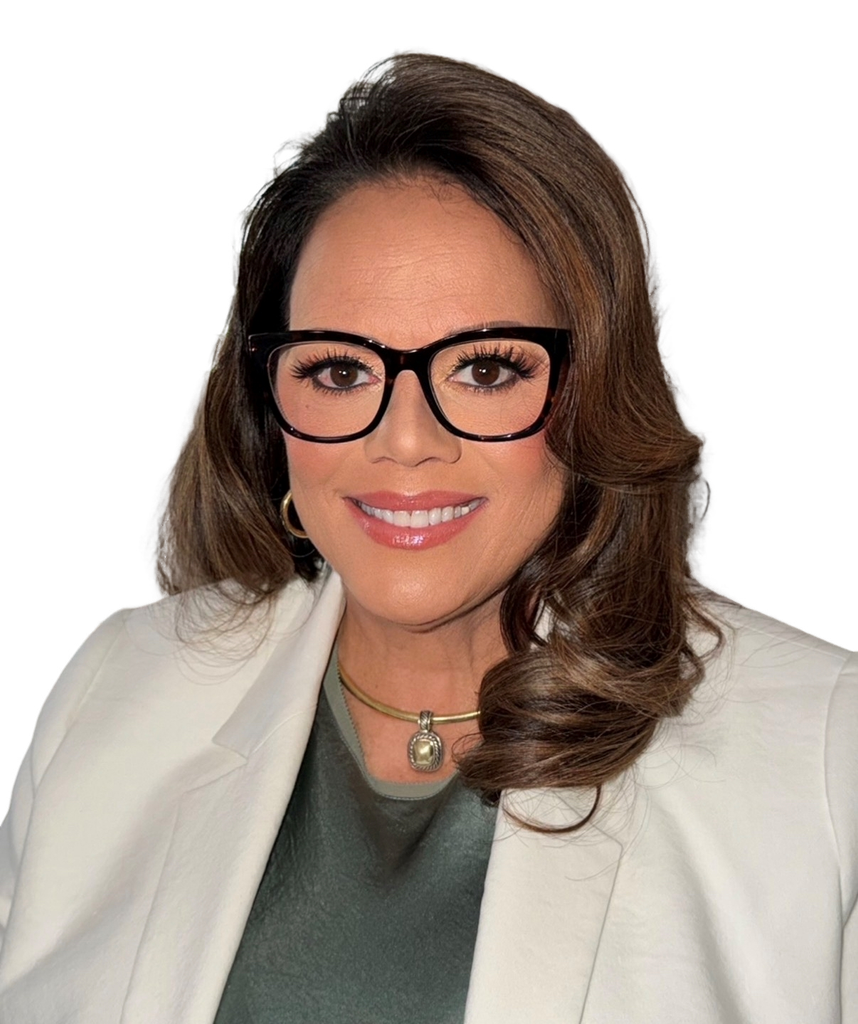
Laura Williams, drawing from her own experience as a member of the "Sandwich Generation"—simultaneously raising children and managing long-distance care for her mother—identified a glaring gap in the market. While platforms like Uber Eats and DoorDash revolutionized how we access basic needs, there was no equivalent for the essential need of caregiver relief.
Enter Respitely, a platform built on the concept of "CareGifting." Unlike traditional care services that a caregiver must research, vet, and fund themselves, Respitely functions as a communal gift. Friends, family, and colleagues can contribute funds to a digital "pot," which is then used to secure professional, vetted respite care. It effectively removes the financial and administrative burdens that often prevent caregivers from stepping away.
A Chronology of the Caregiving Crisis
The evolution of the modern caregiving crisis has been steady and profound.
- The Early 2000s: Caregiving began to emerge as a public health issue as the Baby Boomer generation started aging. However, the onus remained almost exclusively on the individual family unit.
- The 2010s: The rise of digital platforms began to streamline information, yet professional respite services remained fragmented, expensive, and difficult to navigate.
- The 2020s: The pandemic acted as a pressure cooker, exacerbating the isolation of caregivers. Simultaneously, the rise of the "Caregiving Economy" began to attract venture capital and innovative startups, with companies like Respitely emerging to address the specific pain points of burnout and social isolation.
- 2026 and Beyond: We are currently seeing a shift toward "corporate caregiving" culture, where employers are increasingly recognizing that employee productivity is tied to the wellbeing of their home-based care responsibilities.
Supporting Data: Why Respite is Not a Luxury
The data supporting the need for respite care is unequivocal. According to various geriatric health studies, caregivers who do not take regular breaks face a significantly higher risk of chronic health conditions, including cardiovascular disease, clinical depression, and weakened immune systems.
The "Caregiving Club" highlights that "creating calm in the chaos" is not merely a psychological goal; it is a physiological imperative. When a caregiver is in a state of chronic "fight or flight," they are less effective at providing care and more prone to making errors in medication management or safety protocols.
Furthermore, the economic impact of "presenteeism"—where employees are physically at work but mentally preoccupied by their caregiving duties—costs the U.S. economy billions annually. Programs like those championed by the Caregiving Club and Respitely aim to mitigate these costs by providing tangible relief that allows the caregiver to "recharge their battery."
Official Perspectives: The Role of Community
During the podcast, Sherri Snelling emphasized that the greatest barrier to respite is often the caregiver’s own guilt. Many believe that asking for a break is a sign of weakness or a failure to "do it all."
"We often talk about caregiving as a marathon," Snelling noted. "In order to continue in the race, you have to take the breaks—both physically and mentally—that let you take a breath."
Laura Williams corroborated this, explaining that Respitely was designed to bypass that guilt. When a group of friends gifts respite hours, it transforms the break from a "chore" into a "gift of love." It validates the caregiver’s struggle and signals that their community sees their labor and wants them to succeed.

Implications for the Future of Care
The implications of this movement are far-reaching. As the global population ages, the demand for care will outstrip the availability of professional, full-time nursing facilities. The reliance on family caregivers is not going away; therefore, the infrastructure to support them must be modernized.
1. The Professionalization of Informal Care
By connecting caregivers with vetted agencies like Comfort Keepers or platforms like Care.com, the industry is creating a bridge between informal family care and professional support. This hybrid model ensures safety and quality while maintaining the intimacy of home-based care.
2. Workplace Integration
As noted by Snelling in her extensive writing on "The Gen C Continuum," companies that integrate caregiving benefits—such as emergency respite funding—report higher retention rates. The stigma of being a "caregiving employee" is dissolving, replaced by a recognition that caregiving is a universal human experience.
3. Digital Empowerment
Tools like Caring Bridge and the digital resources provided by the ARCH National Respite Care Network are allowing families to coordinate care with the precision of a project management team. The shift from paper-and-pencil scheduling to digital, community-driven platforms is the next frontier in lowering the barrier to entry for help.
How to Access Help: A Guide for Families
For those currently navigating the complexities of caregiving, the following resources serve as the current gold standard for finding, funding, and scheduling respite:
- Financial Assistance: Explore the Hilarity for Charity (HFC) care grants for dementia caregivers, and check with your local Area Agency on Aging (via UsAging) for government-subsidized programs.
- The "CareGifting" Model: Utilize platforms like Respitely to allow your network to contribute to your respite fund.
- Professional Matching: Use Care.com’s business enterprise group to connect with senior care experts who can help navigate local options.
- Veteran Resources: If your loved one is a veteran, the VA Caregiver Support Program offers up to 30 days of free respite care annually.
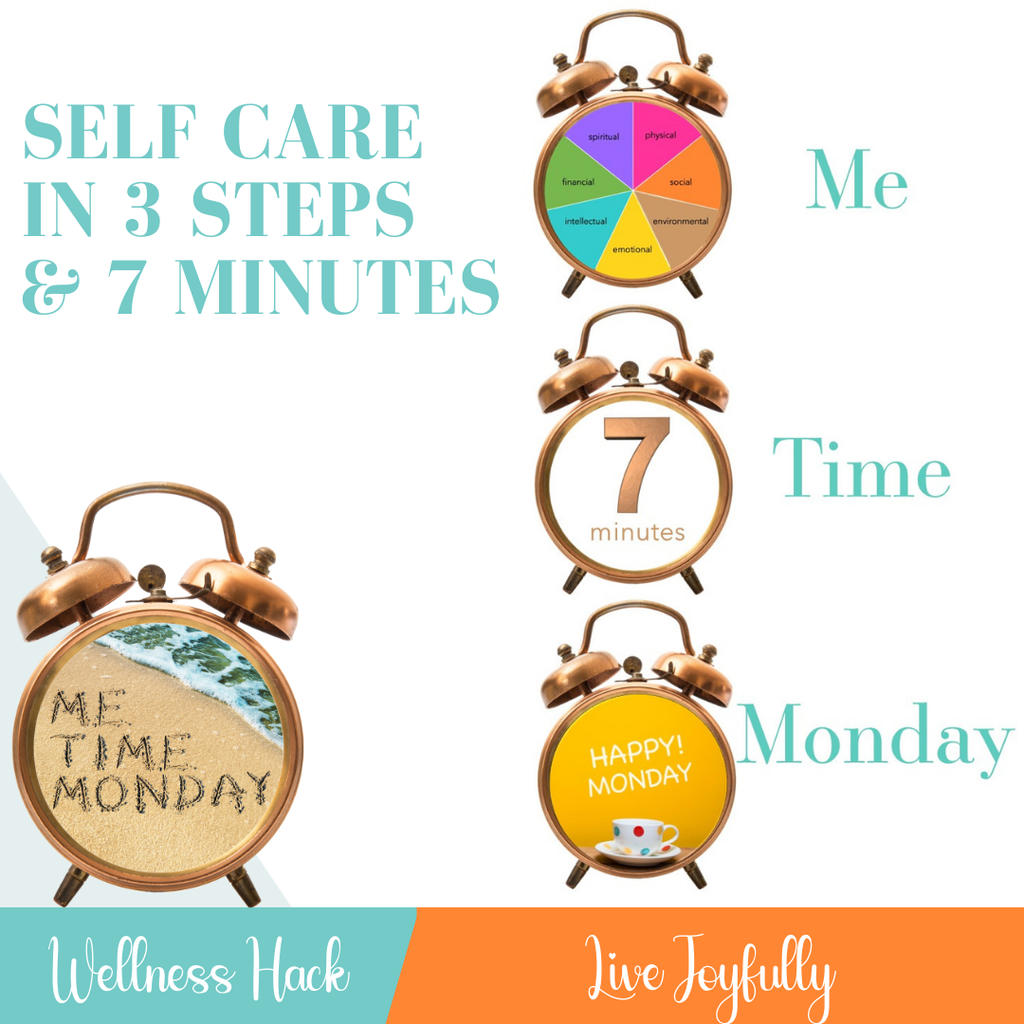
- Self-Care Maintenance: Don’t underestimate the power of short-term recovery. The Caregiving Club’s "Me Time Monday" series provides 7-minute "wellness hacks" designed to help caregivers integrate small, manageable moments of peace into their day.
Conclusion: Reframing the Narrative
The conversation between Sherri Snelling and Laura Williams marks a pivotal shift in how we discuss elder care. We are moving away from the "heroic caregiver" archetype—a martyr who sacrifices everything for their loved one—and toward a model of "sustainable care."

Sustainability requires breaks. It requires the support of a community. And most importantly, it requires the acknowledgment that to care for others effectively, one must first be able to care for oneself. As September Self-Care Awareness Month continues, the message is clear: the most effective way to help a caregiver is to help them get away—even if just for an afternoon.
For more information on the latest research, resources, and expert discussions, subscribe to the "Caregiving Club On Air" podcast on Apple Podcasts, Spotify, or YouTube, and follow the new "Caregiving Club News" channel for bi-weekly updates on the evolving world of caregiving.