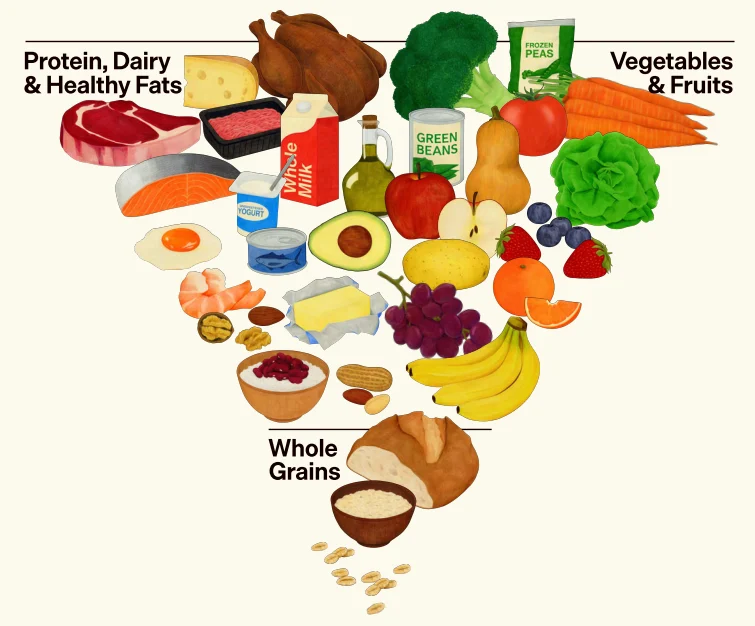












In a significant clash of scientific opinion, the World Health Organization (WHO) has released a comprehensive update to its global dietary guidelines, aiming to redefine what constitutes a healthy nutritional framework for the modern age. While the guidance regarding specific nutrients—such as the reduction of trans fats and the strategic management of carbohydrates—has been largely welcomed by the medical community, one specific recommendation has ignited a firestorm of controversy.
Experts at the Harvard T.H. Chan School of Public Health have issued a pointed critique of the WHO’s directive to limit total fat intake to 30% or less of total daily calories. According to Harvard researchers, this specific recommendation is not only disconnected from decades of robust clinical evidence but could potentially lead populations toward dietary habits that increase the risk of metabolic disease.
Main Facts: The Core of the Disagreement
The WHO’s updated guidelines are intended to serve as a universal standard for health, covering individuals aged two and older. The agency’s goal is to address the global rise in non-communicable diseases (NCDs) like cardiovascular disease, type 2 diabetes, and certain cancers. While the organization provides sound, evidence-based advice on reducing sodium and added sugars, the "total fat" cap has become a point of contention.
Harvard nutrition scientists argue that the WHO’s recommendation ignores a fundamental shift in nutritional science: the recognition that the quality of fat is far more important than the quantity. By focusing on a blanket 30% limit, critics argue that the WHO is relying on antiquated "low-fat" paradigms that were popularized in the late 20th century but have since been debunked by major long-term cohort studies and randomized controlled trials.
Chronology of the Controversy
The path to these conflicting viewpoints spans several decades of nutritional research:
- 1980s–1990s: The era of the "low-fat" movement, where global health bodies encouraged consumers to swap fats for carbohydrates, often leading to an increase in refined grains and added sugars.
- 2013: The publication of the PREDIMED (PREvención con DIeta MEDiterránea) trial results. This landmark study demonstrated that a Mediterranean diet high in healthy fats (39–42% of calories) significantly reduced cardiovascular events compared to a low-fat diet.
- 2023 (July 17): The WHO officially releases its updated guidelines on fats and carbohydrates, maintaining a firm stance on limiting total fat to 30% of energy intake.
- 2023 (July 18): Harvard T.H. Chan School of Public Health publishes a formal response, critiquing the WHO’s methodology and urging the public to disregard the 30% total fat cap in favor of prioritizing healthy, unsaturated fat sources.
Supporting Data: Why Harvard Rejects the 30% Cap
The primary concern raised by Harvard experts, led by Dr. Walter Willett, Professor of Epidemiology and Nutrition, is that the WHO’s recommendation is based on a "deeply flawed" meta-analysis.
The Problem with the Meta-Analysis
Harvard researchers identified several critical failures in the data used by the WHO to justify the fat cap:
- Selective Sampling: The meta-analysis excluded high-quality studies that were specifically designed to assess dietary fat and weight changes.
- Health Status of Participants: Many of the studies cited included participants who were already suffering from chronic illnesses such as cancer or advanced heart disease. These individuals do not represent the general healthy population, making the data inappropriate for broad, global dietary guidance.
- The Intervention Bias: In many of the studies reviewed, the "low-fat" group received intensive, face-to-face dietary counseling and monitoring, while the control group received little to no intervention. Researchers noted that the weight loss observed in these studies was likely a byproduct of the intensive monitoring—the "Hawthorne effect"—rather than the reduction in fat itself.
The "Two-Pound" Discrepancy
Perhaps the most damning evidence cited by the Harvard team is the actual weight difference found in the WHO’s own cited research. Even if one were to accept the validity of the meta-analysis, the difference in weight reduction between the low-fat and high-fat groups was approximately two pounds (0.9 kg). Dr. Willett argues that such a marginal outcome is insufficient to serve as the foundation for global public health policy, especially when it mandates the restriction of nutrient-dense, heart-healthy foods like olive oil, nuts, and avocados.
The Risks of the "Low-Fat" Approach
The Harvard critique emphasizes that recommending a reduction in total fat often leads to unintended, dangerous consequences. When people reduce their intake of healthy fats, they rarely increase their intake of vegetables or lean proteins; instead, they often replace those calories with refined carbohydrates and added sugars.
"Lowering total fat intake could mean increasing carbohydrate intake, especially refined carbohydrates and sugars," the Harvard report notes. "This has been shown to increase blood pressure and triglycerides, which are independent risk factors for heart disease."
The evidence is clear: diets high in refined carbohydrates contribute to insulin resistance and obesity. By pushing for a 30% cap on total fat, the WHO may inadvertently encourage diets that contribute to the very metabolic syndrome they are attempting to prevent.
Official Responses and Scientific Perspectives
The tension between global health organizations and academic research institutions highlights a broader struggle in the field of nutritional science. While the WHO is tasked with creating actionable, simple guidelines for diverse global populations—many of whom face issues of food scarcity and malnutrition—Harvard researchers are concerned with the precision and long-term health outcomes of these policies in well-nourished populations.
The WHO maintains that their guidelines are designed to reduce the risk of excessive weight gain and chronic disease. However, Dr. Willett and his colleagues argue that the WHO’s stance on fat is a missed opportunity. They contend that the agency should instead focus its messaging on the type of fat.
"The recommendation to emphasize unsaturated sources of fat from plants over those high in saturated and trans fat is well-founded," Dr. Willett stated. "But the limit on total fat is best ignored."
Implications for Public Health and Personal Nutrition
What does this mean for the average person standing in the grocery store aisle? The debate underscores the shift away from "macro-counting" and toward "food quality."
- Prioritize Healthy Fats: The scientific consensus remains firmly in favor of unsaturated fats. Foods like extra virgin olive oil, walnuts, almonds, flaxseeds, and fatty fish (like salmon) are associated with superior health outcomes, regardless of whether they push one’s daily fat intake above the 30% threshold.
- Beware the "Low-Fat" Label: Products labeled "low-fat" are frequently processed and compensated with high levels of sugar or refined starches to improve flavor. Consumers should prioritize whole foods over processed, low-fat alternatives.
- The Mediterranean Model: The Mediterranean diet remains the gold standard for long-term health. Because this diet is naturally higher in fat (often 40% or more), it serves as a living refutation of the WHO’s current guidelines.
Looking Toward the Future
The disagreement between Harvard and the WHO is not merely academic; it has profound implications for how schools, hospitals, and government agencies draft their nutritional policies. If public health bodies continue to insist on outdated low-fat mandates, they risk alienating a public that is increasingly educated about the benefits of healthy fats.
As nutrition science continues to evolve, the focus must remain on the long-term metabolic effects of our food choices. The evidence provided by the PREDIMED trials and decades of prospective cohort studies suggests that a higher intake of high-quality, unsaturated fats is a cornerstone of a healthy life. The WHO’s current guidelines, while well-intentioned in their effort to curb obesity, appear to be a relic of a time when we feared the wrong thing. For now, the medical community remains divided, and individuals are encouraged to look past the percentage of fat on a label and focus instead on the source of those calories.