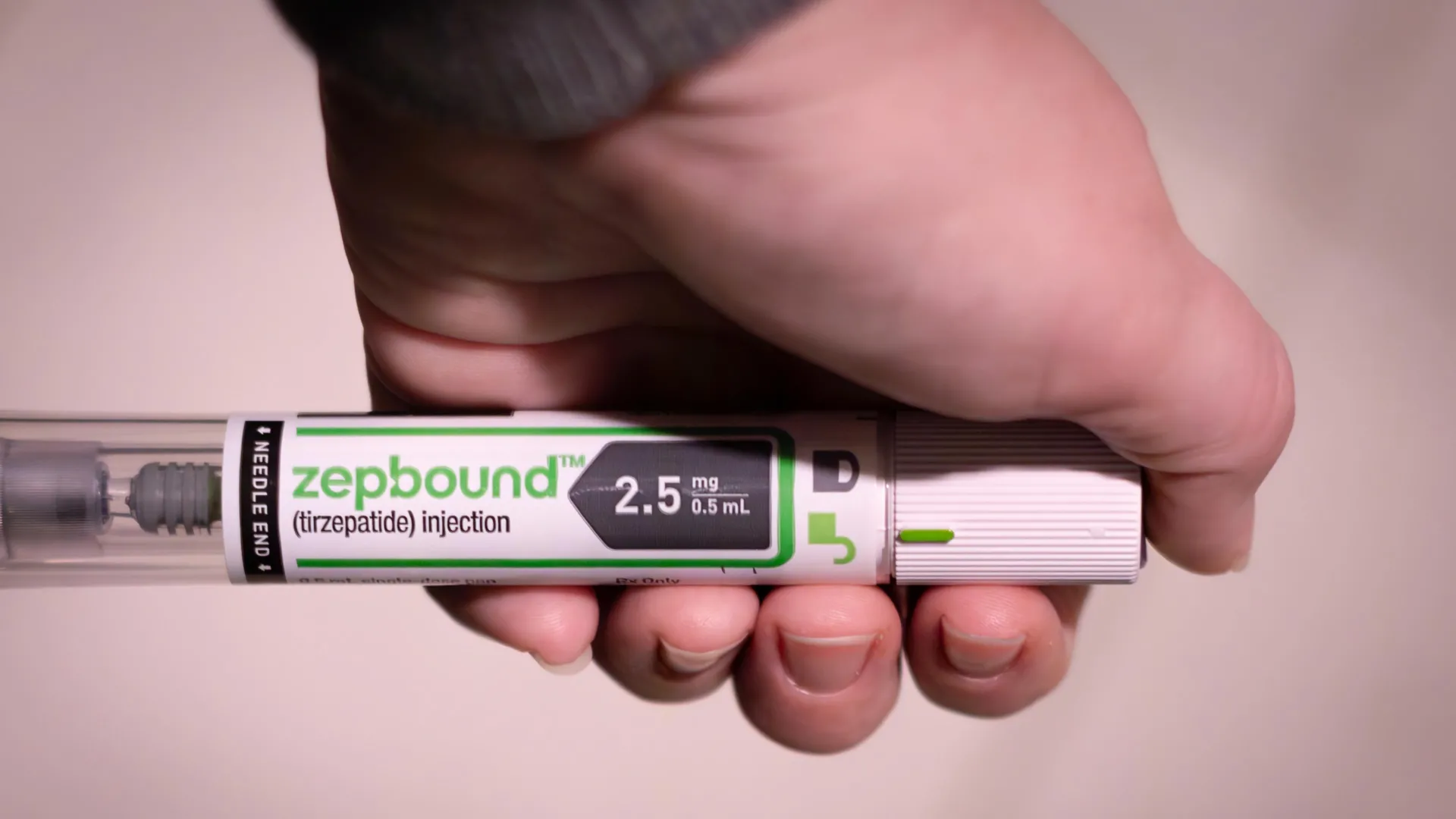
In the rapidly evolving landscape of metabolic medicine, few pharmacological breakthroughs have captured as much attention as tirzepatide—known commercially as Mounjaro or Zepbound. Initially heralded for its unprecedented ability to induce weight loss and manage type 2 diabetes by curbing appetite, the drug is now the subject of a paradigm-shifting discovery. New research suggests that tirzepatide’s efficacy may stem from more than just a reduction in caloric intake; it may be actively "reprogramming" the body’s metabolism by stimulating brown adipose tissue, the body’s specialized, calorie-burning fat.
The Dual-Receptor Mechanism: A New Frontier in Obesity Care
Tirzepatide represents a departure from traditional weight-loss medications that primarily target a single hormonal pathway. Instead, it functions as a dual agonist, simultaneously targeting receptors for two crucial metabolic hormones: Glucose-dependent Insulinotropic Polypeptide (GIP) and Glucagon-like Peptide-1 (GLP-1).
By mimicking these natural incretin hormones, the drug enhances insulin secretion, slows gastric emptying, and signals the brain to increase satiety. While these mechanisms are highly effective at reducing the volume of food a patient consumes, the clinical community has long suspected that there is a "missing piece" to the puzzle. Could a drug that helps patients lose such significant amounts of weight be doing more than just making them eat less?
A team of researchers led by Dr. Marion Peyrou, a Ramón y Cajal researcher at the University of Barcelona’s Faculty of Biology and the Institute of Biomedicine (IBUB), set out to answer this question. Working in conjunction with the Sant Joan de Déu Research Institute (IRSJD) and the CIBER in Physiopathology of Obesity and Nutrition (CIBEROBN), the team aimed to isolate the metabolic effects of the drug from the simple mechanical effect of reduced food intake.
Chronology of the Discovery: Isolating Metabolic Impact
To investigate the direct metabolic influence of tirzepatide, the research team employed an experimental mouse model. Studying the complex interactions of fat tissue in living organisms requires a level of invasive, detailed analysis that is currently impossible in human clinical trials.
The researchers placed obese mice—which had been induced to gain weight through a sustained high-fat diet—on a regimen of tirzepatide. To ensure the study was scientifically rigorous, the team introduced a control group: mice that were not given the drug but were "pair-fed" to match the exact caloric intake of the medicated group.
By holding the food intake constant between the two groups, the researchers could effectively neutralize the "appetite suppression" variable. Any differences observed in the metabolic health of the treated mice compared to the pair-fed mice could then be attributed directly to the pharmacological action of tirzepatide, rather than just the weight loss associated with eating less.
The results were striking. The analysis revealed that tirzepatide specifically activated brown adipose tissue (BAT). Unlike white adipose tissue, which acts as a storage depot for excess energy, brown fat functions as a furnace. It is packed with mitochondria and specializes in thermogenesis—the process of burning glucose and lipids to generate heat.
Supporting Data: The Science of "Good Fat"
Brown adipose tissue is often referred to as "good fat" because of its role in energy expenditure. In humans, brown fat activity is often highest in infancy and tends to decline with age and the development of obesity. For years, endocrinologists have sought ways to pharmacologically "wake up" this dormant tissue, viewing it as a potential "holy grail" for treating metabolic syndrome.
Dr. Peyrou’s team observed that the activation of brown fat by tirzepatide led to two distinct benefits:
- Enhanced Calorie Expenditure: The stimulated brown fat began to actively "burn" fuel, even when the mice were not undergoing voluntary exercise.
- Batokine Production: The activated brown fat began secreting specific signaling molecules known as "batokines." These molecules are now recognized for their protective, beneficial effects on overall systemic metabolism, potentially helping to regulate blood sugar levels and lipid metabolism throughout the body.
The study confirms that the drug’s influence is systemic. "This activation is associated with an increased capacity to burn metabolic energy," says Dr. Peyrou. "It’s not just about the weight on the scale; it’s about the active, healthy processing of nutrients."
Official Responses and Clinical Significance
The medical community has received these findings with cautious optimism. Previous attempts to stimulate brown fat—such as using beta-3 adrenergic agonists—often resulted in significant cardiovascular side effects, including elevated heart rates and blood pressure.
In stark contrast, tirzepatide is increasingly associated with cardiovascular benefits. The research team highlighted that the drug achieves this metabolic activation without the toxic side effects that historically plagued BAT-targeting therapies.
"If our findings are confirmed in humans, it would reinforce the importance of developing therapeutic strategies that not only reduce food intake but also increase energy expenditure and brown fat activation," Dr. Peyrou explained in an official summary of the study.
This suggests a move away from the "calories in, calories out" obsession that has defined obesity treatment for decades. Instead, the focus is shifting toward "metabolic efficiency"—optimizing how the body handles the calories it does ingest.
Implications for Future Obesity Treatment
The implications of this research are broad, touching on the future of personalized medicine and the management of chronic metabolic disorders.
1. Moving Toward Personalized Metabolic Care
The study hints at the possibility of a "patient-first" approach. Currently, weight-loss drugs are prescribed based on Body Mass Index (BMI) and the presence of comorbidities. However, if researchers can identify which patients have "compromised energy expenditure"—those whose metabolism is uniquely resistant to weight loss—clinicians might be able to tailor treatments more effectively.
2. A Multimodal Strategy
The success of tirzepatide validates the concept of "multimodal therapy." By targeting both the brain’s hunger signals (via GLP-1/GIP) and the body’s energy expenditure (via brown fat activation), the drug addresses the obesity epidemic from multiple angles. This dual-action approach could prove to be the blueprint for the next generation of metabolic drugs, which may focus on even more complex physiological targets.
3. Addressing Diabetes and Beyond
Because active brown adipose tissue is a voracious consumer of glucose, this finding provides a clear mechanistic explanation for why tirzepatide is so effective at lowering blood sugar levels in patients with type 2 diabetes. By clearing glucose from the bloodstream to fuel thermogenesis, the drug essentially "cleans up" the metabolic mess caused by insulin resistance.
The Path Forward: A Call for Human Evidence
Despite the enthusiasm surrounding these findings, the research team remains anchored in the scientific method. Dr. Peyrou and her colleagues emphasize that a mouse model is not a human body.
"We must be cautious," the researchers noted in their report. "There are significant differences between species in terms of metabolism regulation, the distribution of adipose tissue, and the overall physiological response to exogenous hormones."
The next phase of this research must necessarily shift to human clinical trials. Scientists will need to use advanced imaging techniques, such as PET-CT scans, to visualize brown fat activity in human patients treated with tirzepatide. Only then will it be confirmed whether the "internal furnace" effect observed in the laboratory translates to a robust, clinically significant treatment pathway for millions of people worldwide.
As the scientific community digests these results, one thing is clear: our understanding of obesity is shifting. We are moving beyond the simplistic view of obesity as a failure of willpower or a mere caloric imbalance. Instead, we are beginning to see it as a complex, multifaceted metabolic condition—one that may be best addressed by unlocking the latent power of the body’s own tissues. If tirzepatide is indeed the key to igniting that power, the future of metabolic medicine looks significantly brighter.