








The landscape of modern medicine is shifting beneath our feet. From the corridors of high-tech laboratories where Artificial Intelligence is rewriting the rules of biological discovery, to the front lines of a public health infrastructure struggling to contain an array of infectious diseases, the global health narrative is currently defined by a collision between rapid innovation and systemic fragility. As we navigate the complexities of late 2026, the intersection of technology, policy, and clinical practice has never been more contentious or critical.
I. The AI Frontier: Innovation or Intellectual Infringement?
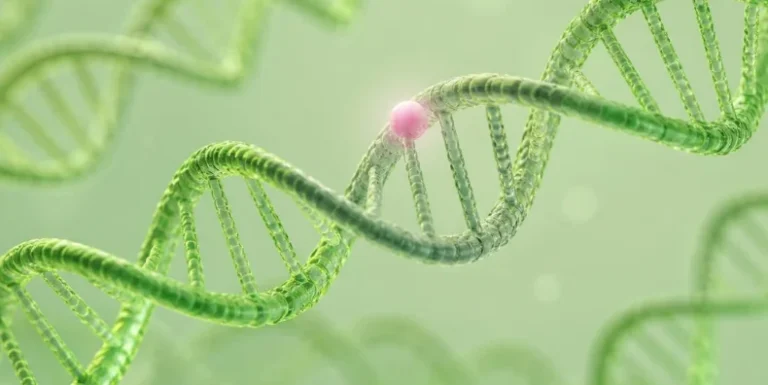
The recent announcement from Anthropic regarding its AI model, Claude, has sent ripples through the scientific community. The company claims that Claude successfully identified a new enzyme system featuring DNA repeats "reminiscent of CRISPR." While the discovery was heralded as a triumph for machine learning in biological research, it has sparked a significant ethical debate regarding intellectual property and the attribution of human labor.
The Mestre Case: A Chronology of Discovery
University of Copenhagen professor Mario Rodríguez Mestre has been working on a remarkably similar set of enzymes. Mestre, who has been utilizing Anthropic’s AI tools to assist in drafting manuscripts and refining code, finds himself in a position of intellectual ambiguity.
- Parallel Tracks: Mestre had been conducting independent research into these specific enzymes for months.
- The AI Assist: During his research process, Mestre used Claude to organize his findings.
- The Conflict: When Anthropic claimed the discovery, Mestre raised the question: Did the AI synthesize its conclusion based on the private, proprietary data he had shared with it during his collaborative sessions?
Anthropic maintains that Claude is not trained on user transcripts, asserting that even if Mestre had shared his work with the model, that data would not have influenced the AI’s broader findings. However, the incident serves as a bellwether for a new era of scientific discovery where the line between "AI-generated" and "human-researched" is increasingly blurred. The implications are profound: if an AI model can aggregate human insights without formal attribution, the incentive structure for academic research could be fundamentally compromised.
II. The Public Health Crisis: A Triumvirate of Disease
While the digital world grapples with AI ethics, the physical world is facing a stark resurgence of infectious diseases. The start of this week has provided grim data for health officials worldwide.
Ebola, Measles, and the Dengue Expansion
In the Democratic Republic of the Congo, the Ebola crisis has reached a harrowing milestone, with confirmed cases surpassing 8,000. Despite international efforts to contain the virus, the outbreak remains "out of control," according to health ministry reports. The strain on the Congolese healthcare system is near the breaking point; medical professionals are so overwhelmed that the population lacks access to even the most routine primary care.
Simultaneously, the United States is facing its own localized health threats:
- Measles: Pennsylvania reports 903 confirmed cases, a significant portion of which involve minors, highlighting the ongoing struggle with immunization rates.
- Dengue Fever: Tampa Bay, Florida, is experiencing a "wildly unusual" outbreak. With 190 infections and at least one fatality, public health officials are alarmed. Dengue is historically rare in the U.S., but climate change has expanded the range of the Aedes mosquito, allowing the vector to thrive in previously inhospitable northern latitudes.
III. Legal and Policy Battles: The Gender-Affirming Care Debate
The intersection of medicine and federal policy has reached the steps of the Supreme Court. The Trump administration has filed an emergency appeal seeking to enforce a ban on gender-affirming surgeries and hormone therapy within federal prisons.
Official Responses and Legal Implications
The policy, which stems from a recent executive order, permits mental health counseling but prohibits medical interventions designed to "conform an inmate’s appearance to that of the opposite sex."
The ACLU, representing those challenging the ban, has characterized the policy as a "direct threat to the wellbeing of transgender people" and a fundamental violation of human rights. The Bureau of Prisons itself has acknowledged that gender dysphoria is linked to depression, anxiety, and suicidal ideation. Yet, the administration’s legal argument hinges on the fiscal responsibility of the state, maintaining that taxpayer dollars should not be allocated for such procedures. The Supreme Court’s eventual ruling will likely set a massive precedent for the standard of care in the American carceral system.
IV. Alzheimer’s Research: Shifting the Immune Paradigm
In the realm of neurodegenerative research, a study published in the journal Neuron by researchers at Washington University in St. Louis offers a potential paradigm shift.
Breaking the T-Cell Connection
For decades, Alzheimer’s research has been fixated on the buildup of amyloid plaques and tau proteins. However, the study suggests that the immune system itself may be a primary driver of neuronal damage.
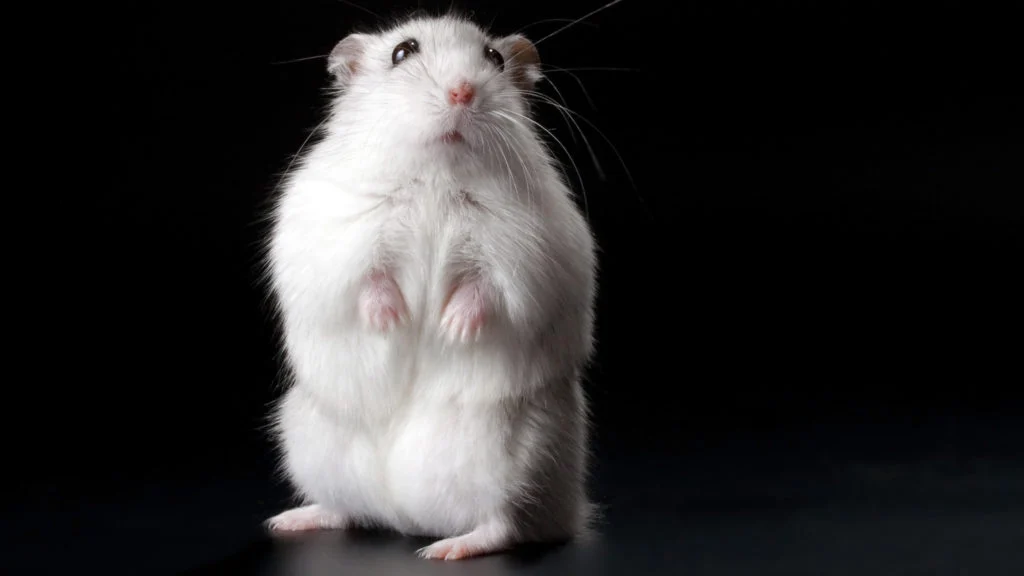
By utilizing an antibody to block CXCR3—a molecule that directs immune cells to sites of injury—researchers successfully prevented T-cells from infiltrating the brains of mice models. The results were striking:
- Neurodegeneration: Treated mice exhibited 40% less loss of brain tissue in memory-related regions.
- Cognitive Function: Despite having similar levels of tau protein to their untreated counterparts, the treated mice performed significantly better on memory tests.
While these findings are limited to murine models, they suggest a novel therapeutic pathway: slowing neurodegeneration by modulating the peripheral immune system, rather than attempting to cross the blood-brain barrier with traditional pharmaceuticals.
V. Societal Perspectives: The Logic of Vaccine Hesitancy
Sociologist Jennifer Reich of the University of Colorado has spent two decades examining the roots of parental vaccine hesitancy. Her work challenges the popular, often derogatory, narrative that parents who skip immunizations are merely "selfish" or "uninformed."
Reich argues that, in an era of overwhelming and conflicting information, vaccine skepticism is often a "logical outcome" of the intense pressure placed on parents to be hyper-vigilant, autonomous consumers of healthcare. When society demands that parents navigate complex, high-stakes medical decisions without a clear, trusted institutional guide, some parents retreat into skepticism as a form of protectionism for their children. Understanding this psychological framework is essential for public health communicators aiming to increase vaccination rates.
VI. The National Security Crisis: Children’s Health
A recent JAMA study has reignited a debate about the health of American children, who are now 1.8 times more likely to die than their counterparts in other industrialized nations.
Former U.S. commander Stanley McChrystal and his colleagues argue in a new First Opinion piece that this is not just a health issue, but a national security crisis. They contend that the decline in child health—contributing to workforce shortages, rising costs, and a lack of military readiness—is usually treated as a series of disparate problems rather than a single, systemic failure. Their proposal calls for a return to 1950s-era policy structures that prioritized holistic development, arguing that if the next generation is not healthy, the nation cannot remain competitive on the global stage.
VII. Conclusion: A Future of Uncertainty
As we look toward the midterm elections, the healthcare industry remains in a state of high alert. With federal policy shifts looming, industry leaders and lobbyists are bracing for a potential overhaul of regulations.
The stories covered here—from the high-speed race of AI innovation to the slow, steady decay of pediatric health metrics—paint a picture of a nation at a crossroads. Whether through legislative intervention, scientific breakthroughs in immunology, or a better understanding of human behavior, the challenge for the coming year will be to reconcile our rapid technological gains with the essential, fragile needs of the human population.
As we continue to monitor these developments, one thing remains clear: the intersection of health, politics, and technology is no longer a niche interest—it is the central defining feature of the modern age.