










Updated September 29, 2026
In the modern professional landscape, the "desk-bound epidemic" has become a pervasive challenge to both physical longevity and cognitive performance. While physical therapists have long warned of the structural consequences of prolonged sitting—such as lumbar strain, hip flexor shortening, and thoracic kyphosis—the psychological impact of a sedentary work life remains a frequently overlooked dimension of wellness.
Yoga teacher and mixed movement coach Olive Walton, who has been instrumental in bridging the gap between clinical mobility and accessible yoga since 2018, argues that the mid-afternoon "Instagram break" or the inability to focus on a single email is rarely a lack of willpower. Instead, it is a physiological signal: the mind is starved for the sensory input that only physical movement can provide.
The Science of the Sedentary Mind
The human body is evolutionarily designed for locomotion. When we anchor ourselves to a chair for eight to ten hours a day, we create a feedback loop of stagnation. Research published in journals such as Neuroscience & Biobehavioral Reviews has consistently highlighted the link between physical movement and cognitive "reset" functions.
When you move, you stimulate blood flow to the brain, regulate the autonomic nervous system, and break the monotony of the "fight or flight" stress response often triggered by high-pressure digital work. Yoga-inspired mobility practices act as a circuit breaker, forcing the brain to process new proprioceptive information—how the body moves in space—which effectively clears mental fog.
A Chronology of the Movement Practice
This 16-minute mobility protocol is designed to be modular. Whether practiced in its entirety as a morning ritual or executed in quick, targeted bursts during the workday, the sequence addresses the primary points of tension created by office ergonomics.
1. Standing Spinal Rotation (The Kinetic Wake-Up)
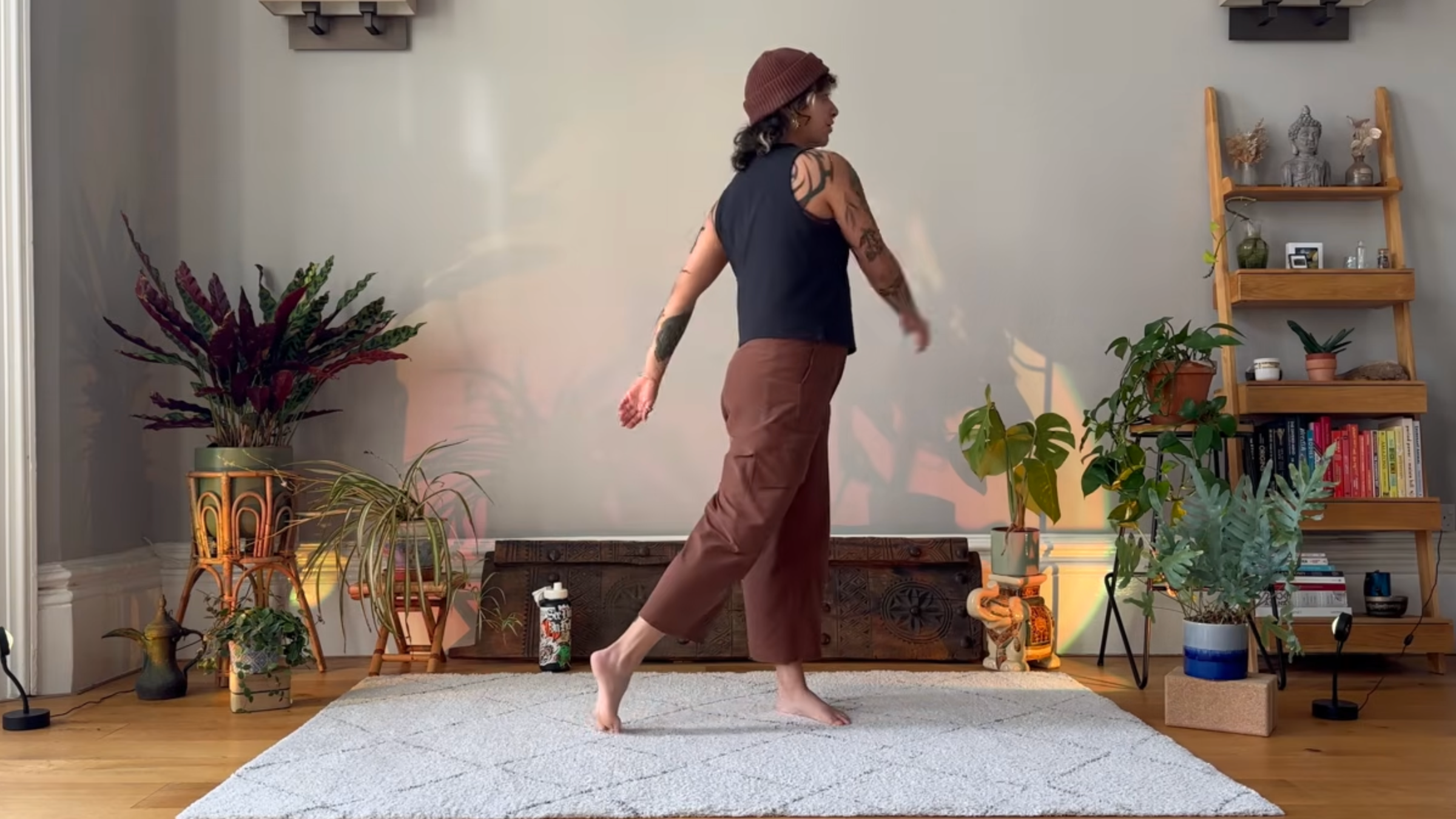
The sequence begins by addressing the rigidity of the spine. By standing with feet hip-distance apart and allowing the mid-section to initiate the twist, the practitioner engages the obliques and mobilizes the vertebrae. As the heels lift in alternation, the nervous system begins to transition from a static state to a dynamic one. This "swinging" motion utilizes momentum, which is essential for lubricating the spinal discs and releasing tension in the lower back.
2. Shoulder Circles (Targeting the Desk Hunch)
Prolonged typing and mouse use inevitably lead to internal rotation of the shoulders. By isolating the shoulder joint—moving it toward the ear, forward, down, and back—practitioners can undo the "hunched" posture that restricts diaphragmatic breathing. This exercise is often the most revealing; it highlights the "clunky" nature of joints that have been underused.
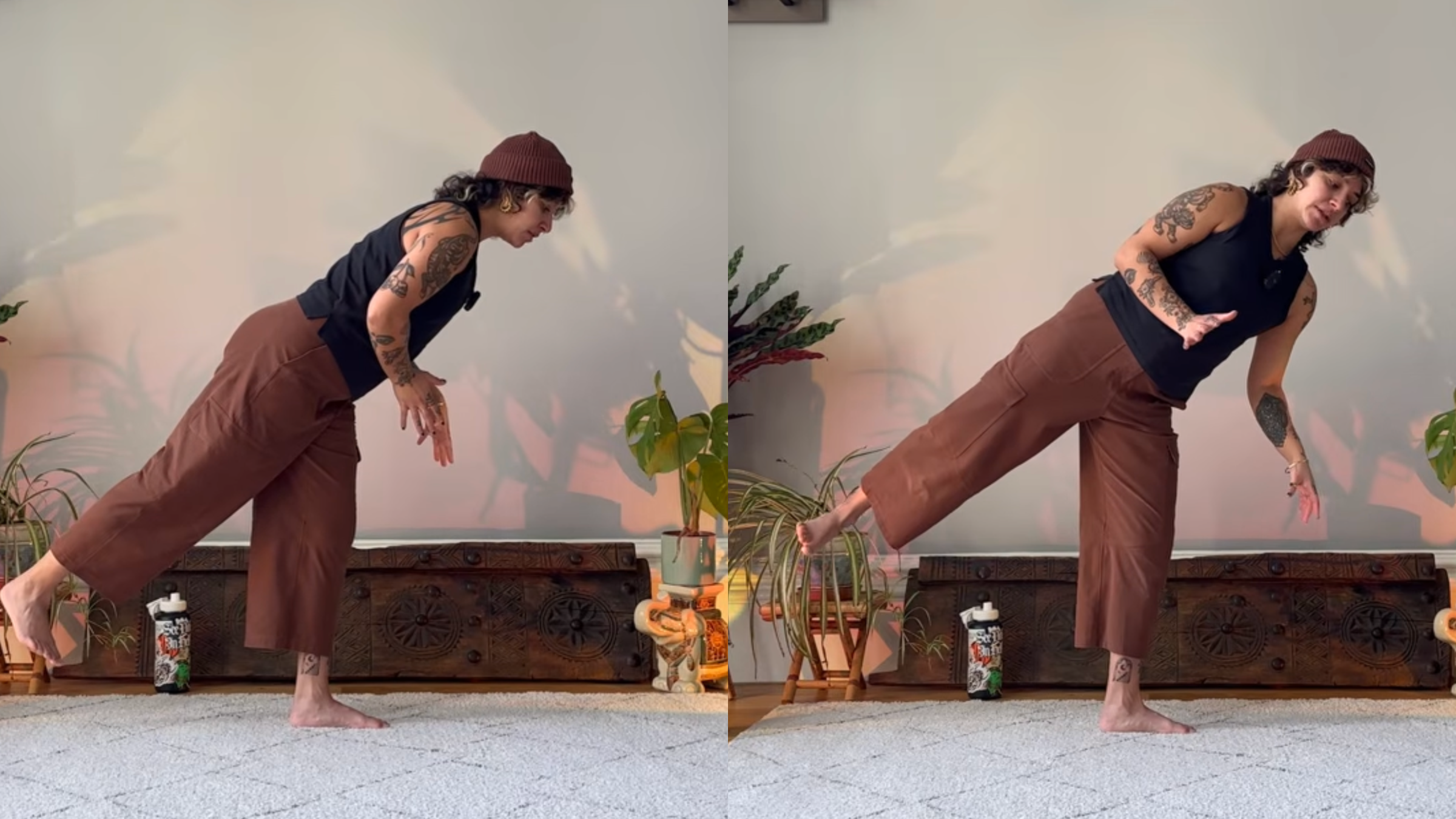
3. Hip Airplanes (Proprioceptive Balance)
The hip joint is the primary casualty of sitting. The Hip Airplane, performed while holding a wall for balance, forces the hip to move through multiple planes of rotation. By visualizing a "beam of light" at the belly button, the practitioner focuses on controlled rotation of the femur within the acetabulum (hip socket). This movement is critical for restoring the fluidity required for walking and standing posture.
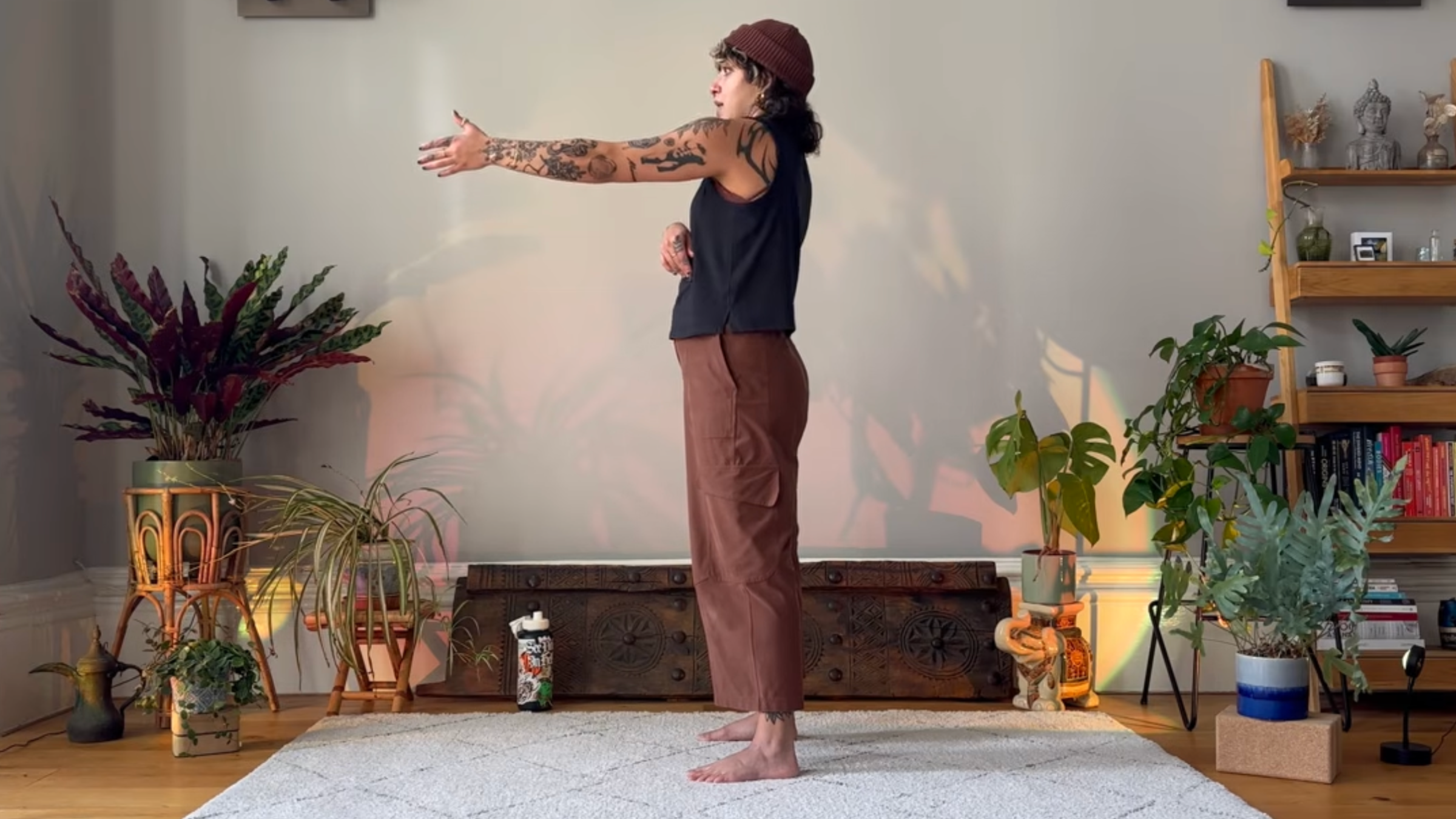
4. Upper Body Circles (Thoracic Decompression)
Moving beyond the shoulders, the upper body circles invite movement into the thoracic spine and neck. By rounding the torso in a circular motion, we target the stiff muscles between the shoulder blades—an area notoriously prone to "stress knots."
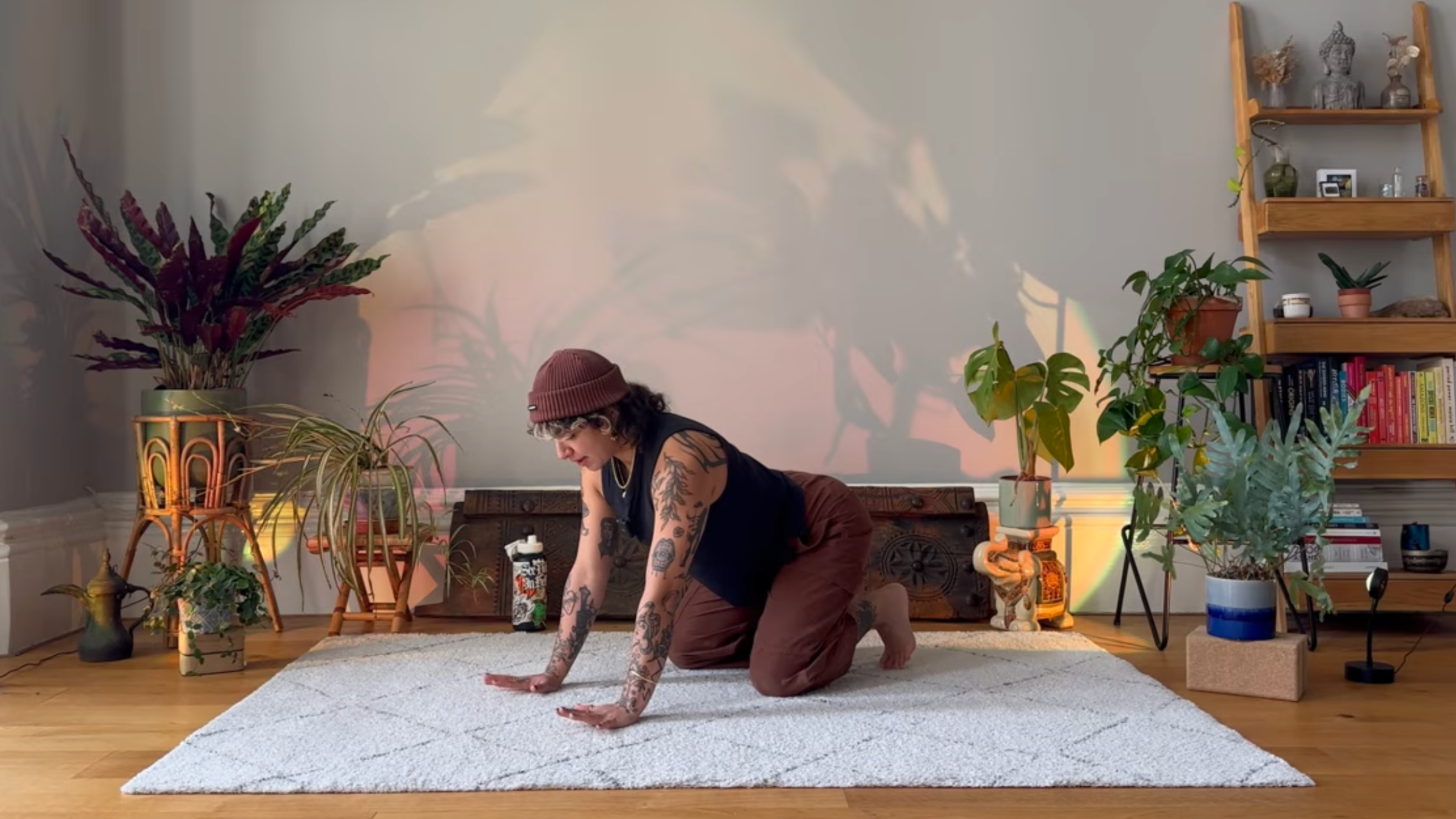
5. Wrist and Forearm Stretches (The Digital Antidote)
For the modern worker, the wrists are the primary interface with the digital world. By shifting weight between the heels of the hands and the fingers on the mat, the practitioner stretches the flexor and extensor carpi muscles. This simple, repetitive loading can help prevent repetitive strain injuries (RSI) and carpal tunnel symptoms.
6. Ankle Stretches (The Foundation)
The ankles are the base of the kinetic chain. Sitting with the tops of the feet flat and rocking into a "mermaid" position encourages dorsiflexion and plantar flexion, ensuring that the ankle joint retains the range of motion necessary for natural gait.
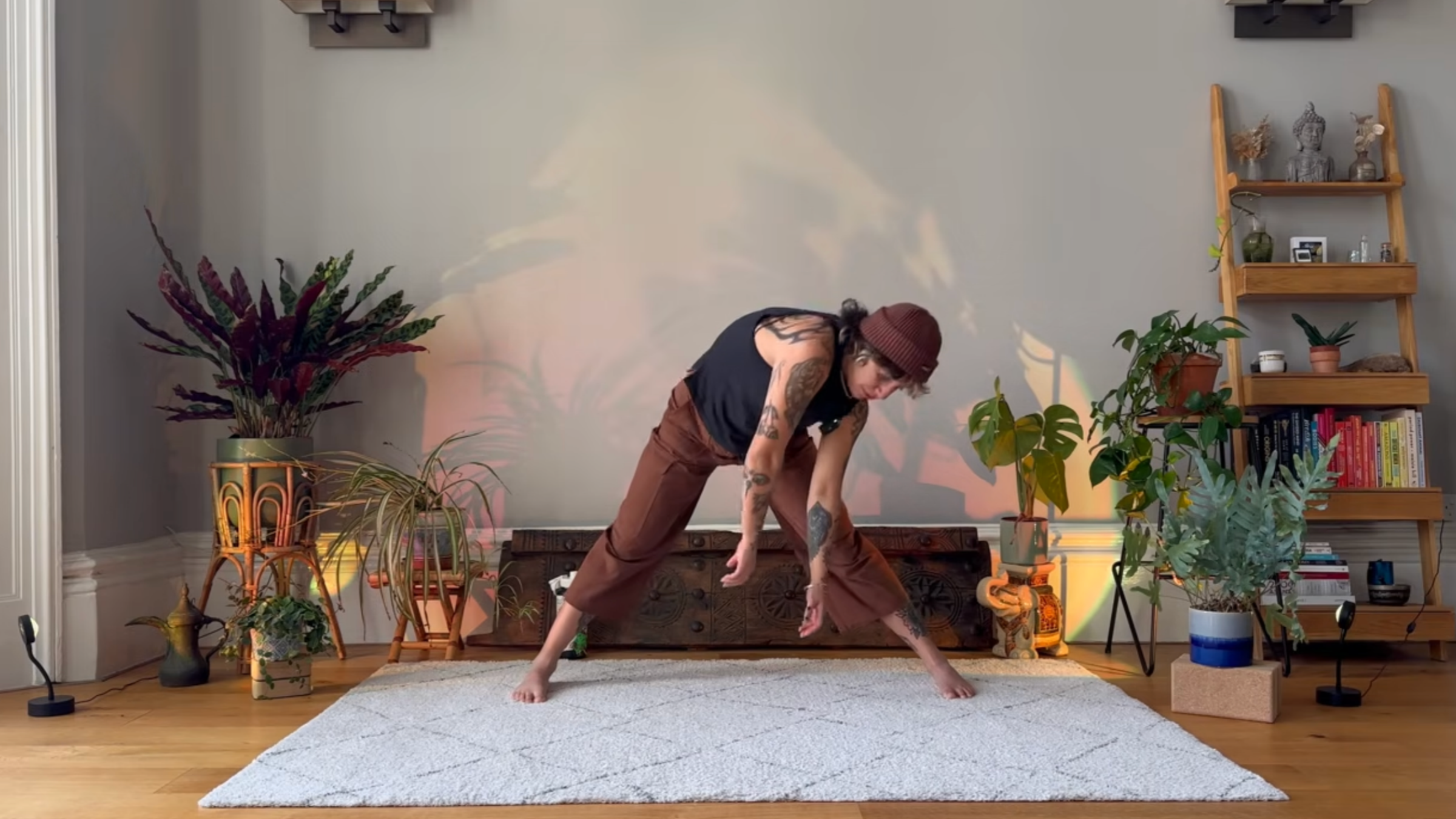
7. Squat Stretches (Deep Tissue Release)
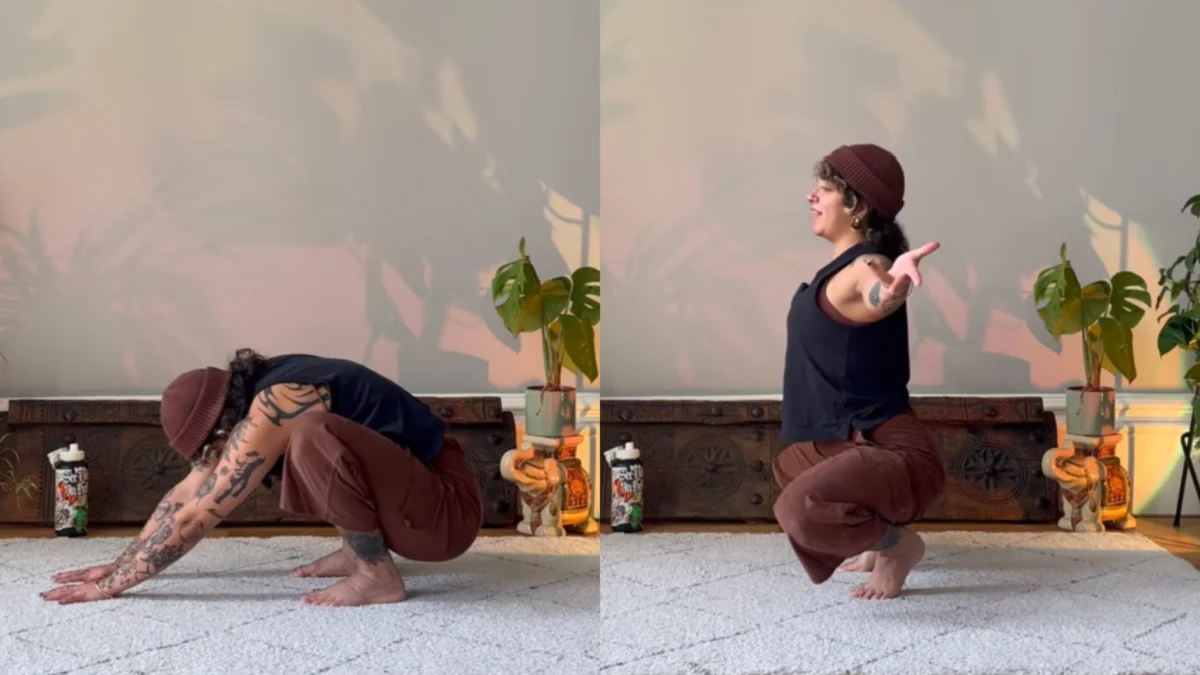
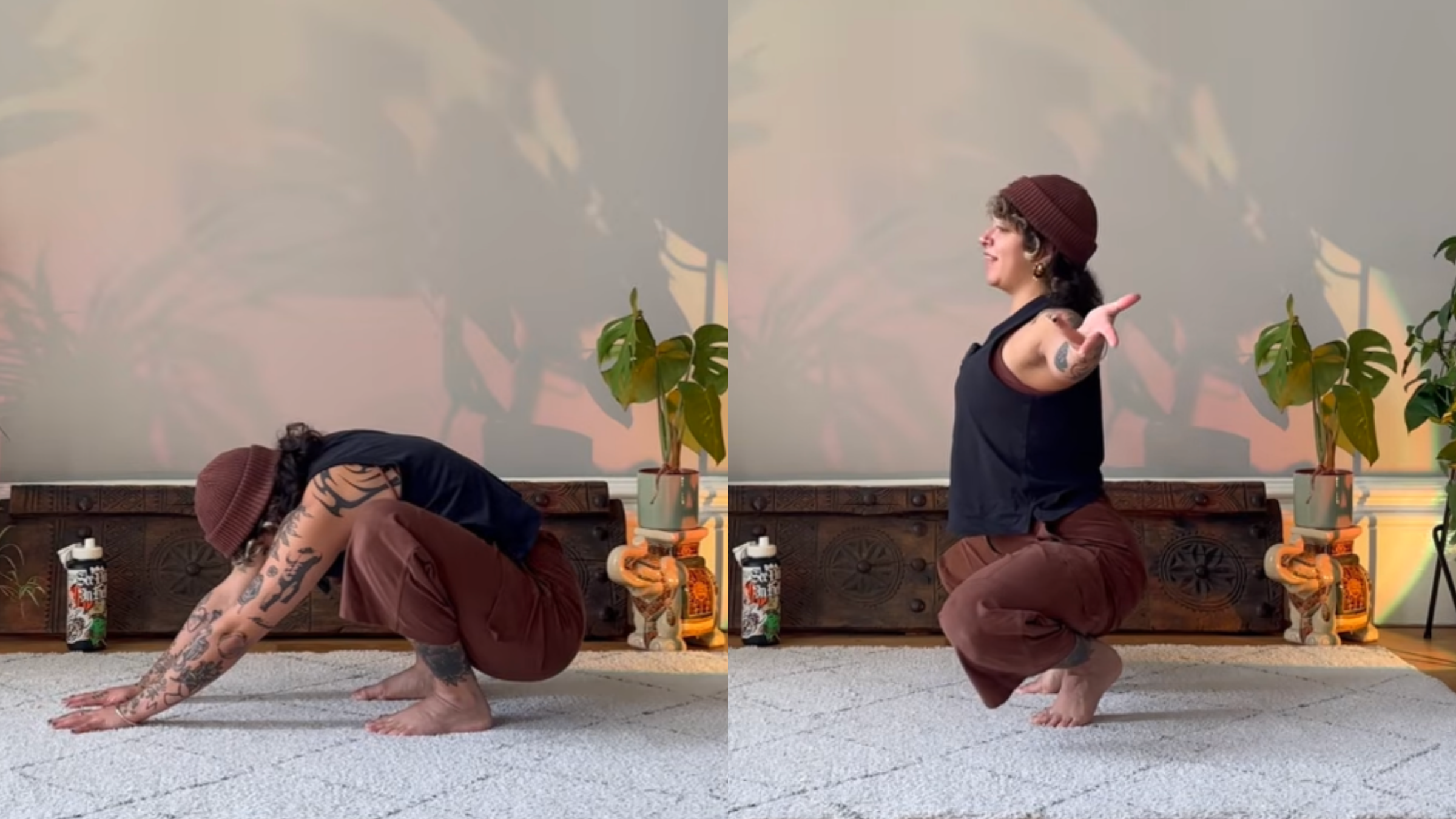
The squat is a foundational human movement that is almost entirely absent from office life. By tucking the toes and lowering the hips, the practitioner facilitates a deep stretch for the calves, Achilles tendons, and the posterior chain. The addition of side-to-side rocking while in a deep squat encourages the opening of the hips and the release of deep-seated pelvic tension.
8. Rag Doll (Integration and Cooling)
The final phase, Rag Doll, allows the body to passively decompress. By clasping opposite elbows and allowing gravity to lengthen the spine, the practitioner signals the parasympathetic nervous system to initiate a cool-down. The final act of rolling up slowly and taking a deep breath serves as the "mental reset," transitioning the individual back into a state of focus and calm.
Supporting Data: Why Mobility Matters
Clinical data suggests that short, frequent bouts of movement are superior to a single, prolonged exercise session in mitigating the risks of a sedentary lifestyle. A study published in The Journal of Applied Physiology suggests that even two minutes of movement for every hour of sitting can significantly improve metabolic markers, including blood glucose levels and lipid metabolism.
Furthermore, the mental health implications are profound. When an individual adopts a movement-based approach to stress management, they shift their internal narrative from "I am stuck" to "I am active." This change in perspective is a cornerstone of modern behavioral psychology, suggesting that movement does not just change the body; it changes the person’s relationship with their environment.
Official Perspectives on Workplace Wellness
Corporate wellness experts are increasingly endorsing "movement snacks"—short, micro-sessions of activity—over traditional hour-long gym sessions. As companies grapple with rising rates of burnout, the integration of mobility into the workday is being viewed as a necessity rather than a luxury.
"We are seeing a shift in how professionals view their ‘desk time’," says Olive Walton. "It is no longer about how long you sit, but how you support your body during that time. If you can integrate 16 minutes of movement, you are not just improving your posture; you are reclaiming your ability to focus."
Implications for Future Work Culture
The future of productivity lies in the acknowledgment of our biology. As remote and hybrid work models become the standard, the physical environment of the home office often lacks the ergonomic support of traditional workspaces. This makes individual agency—the decision to stop, stand, rotate, and breathe—the most critical tool in a worker’s arsenal.
The implications of adopting a regular mobility practice are twofold:
- Physical Longevity: By maintaining range of motion, individuals can avoid the degenerative effects of sedentary work, such as chronic pain and mobility loss.
- Cognitive Performance: By clearing the mental "cache" through movement, individuals report higher levels of creative output and sustained concentration.
In conclusion, the 16-minute mobility routine shared by Olive Walton is more than a series of stretches; it is a tactical response to the demands of the modern era. By prioritizing the body’s need for motion, we ensure that our minds remain as flexible, resilient, and capable as the physical vessels they inhabit. The next time you find yourself staring at an email, unable to process the words, consider it a mandate: it is time to move.