









Published November 16, 2026
For many, the modern image of yoga is inextricably linked to the aesthetic of the "extreme sport"—a pursuit defined by athletic prowess, impossible flexibility, and a relentless focus on body composition. However, as the wellness industry continues to evolve, a counter-movement is gaining momentum, calling practitioners back to the roots of the tradition. In his latest book, Yoga Meditation: Finding a Path Back to Your Self, renowned teacher and accessible yoga advocate Jivana Heyman argues that the true purpose of yoga has been obscured by contemporary consumerism, and that the key to reclaiming it lies in understanding the meditative philosophy of the Yoga Sutras.
The Philosophy: Decoding the Ancient Mind
The Yoga Sutras of Patanjali remains the bedrock of yogic study, yet it is frequently misunderstood or dismissed as overly esoteric. Scholarly estimates place the age of the text between 1,500 and 2,200 years old. Despite the passage of time, Heyman posits that the text’s 196 aphorisms remain the most potent "user manual" for the human mind ever recorded.
"I realize that many people find philosophy boring," Heyman writes, "but I always recommend that my students begin meditation with some understanding of the philosophical concepts behind the practice."
At its core, the Sutras do not advocate for "becoming" something new. Instead, they operate on a positive assumption: that every individual is already a manifestation of the eternal, true Self. The obstacles to experiencing this nature are not external, but internal—the result of the mind’s attachments and desires. The practice of yoga, therefore, is not a process of gain, but a process of release.
Defining the Practice: Yogah Chitta Vritti Nirodhah
The defining moment of the Sutras occurs in verse 1.2: Yogah chitta vritti nirodhah. Translated as "Yoga is the stilling of the changing states of the mind," this statement bridges the gap between practice and state of being.
Heyman emphasizes that when the mind is quieted, the "Seer" (the true Self) abides in its own nature. This state—often described as peace, joy, or bliss—is the ultimate goal of the practice. By focusing on the process of concentration rather than the object of focus, Patanjali provides a roadmap that is inherently inclusive. He suggests that one can meditate on "anything one chooses that is elevating," effectively opening the door to practitioners of all backgrounds, physical abilities, and belief systems.
Chronology and Evolution of the Asana
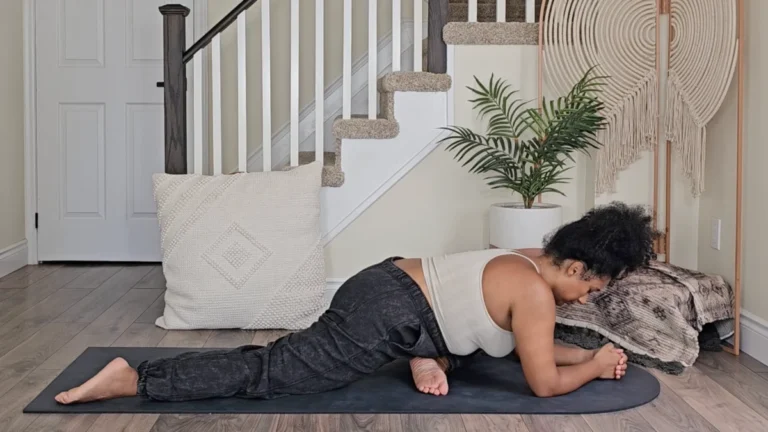
Historically, the relationship between physical posture (asana) and meditation has been subject to significant cultural drift. In the Yoga Sutras, asana is not merely a preparatory exercise for seated meditation; it is, in itself, a form of meditation.
Patanjali’s definition of asana—"a steady, comfortable posture"—is often quoted in isolation. However, Heyman highlights the importance of the subsequent verse (2.47), which instructs: "By lessening the natural tendency for restlessness and by meditating on the infinite, posture is mastered."
The Evolution of Physical Practice:
- Ancient Tradition: Focus on overcoming bodily attachment, sometimes through extreme, ascetic, or rigid postures.
- Mid-20th Century: The rise of postural yoga, emphasizing health and physical vitality, which occasionally bordered on competitive fitness.
- Contemporary Era: A growing movement toward "Accessible Yoga," which critiques the ableist, perfectionist standards of the industry and re-centers the practice on individual agency and internal experience.
The Problem with Contemporary "Wellness"
Heyman is a vocal critic of the way modern yoga culture has internalized systemic prejudices—including ableism, racism, fatphobia, and ageism. By teaching that the body must be "whipped into shape" to be worthy, the industry mirrors the very cultural pressures that yoga is meant to help us transcend.

"I don’t think this is a useful idea because it reinforces cultural messages of unworthiness that are used to sell wellness ‘solutions’ back to you," says Heyman. By shifting the focus from the aesthetic form of the pose to the internal experience of prana (life force) and breath, practitioners can bypass the toxic narratives that frequently haunt modern yoga studios.
Supporting Data: The Neuroscience of Stillness
While the Yoga Sutras offer a philosophical framework, modern science increasingly corroborates the benefits of the techniques Patanjali described. The "stilling of the mind" aligns with what contemporary neuroscientists call the "Default Mode Network" (DMN)—the brain system responsible for mind-wandering and self-referential thought.
Research suggests that consistent meditative movement—such as that found in mindful asana—decreases activity in the DMN, leading to reduced stress and increased emotional regulation. When a practitioner uses movement to anchor their attention, they are effectively engaging in a neurobiological process of "re-wiring" the response to external stressors, confirming Patanjali’s assertion that one becomes "undisturbed by the dualities" of life.
Implications for Daily Living
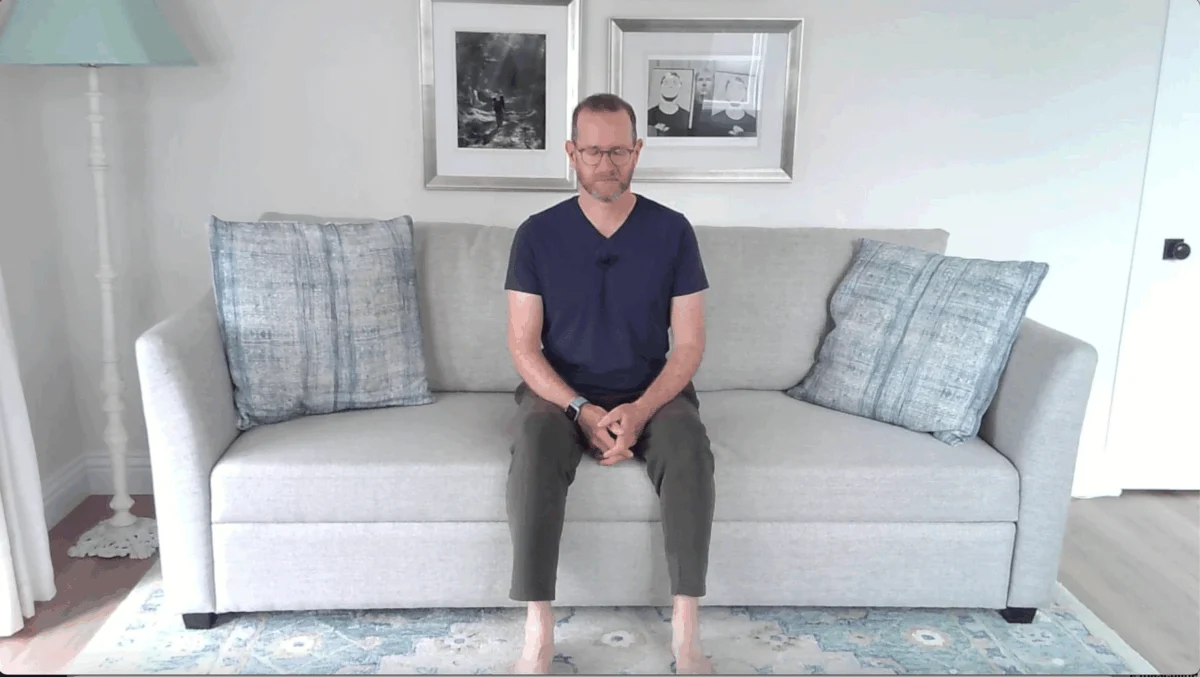
The implications of Heyman’s work extend far beyond the mat. By integrating meditative awareness into daily movement, the "magic portal" of the yoga practice becomes accessible at any time. Whether one is in a chair, on a couch, or standing at a desk, the practice of asana can serve as a buffer against the chaotic demands of the modern world.
Practical Steps to Meditative Movement:
- Shift the Objective: Move from "performing" a pose to "listening" to the body.
- Focus on Breath: Use the inhalation to invite energy and the exhalation to release tension.
- Create a Container: Even a five-minute session can serve as a complete meditation if the intent is shifted from fitness to awareness.
- Embrace Accessibility: Use props, chairs, or simple movements that honor your current physical reality rather than an idealized image.
An Invitation to Reconnect
Jivana Heyman’s approach offers a necessary correction to the modern yoga landscape. By removing the barrier to entry—the idea that one must be "flexible" or "fit" to practice—he invites a return to the essence of the Sutras.
As society grapples with increasing noise and digital distraction, the ability to find a "still point" is not just a spiritual luxury; it is a vital skill for mental health. The Yoga Sutras do not demand that we retreat from the world; they teach us how to inhabit it with a quieter, more anchored mind.
For those interested in exploring these concepts further, Heyman is hosting a free online workshop titled Yoga Meditation: Finding a Path Back to Your Self on Thursday, November 19, 2026, from 10 am to noon PT. The session promises to provide practical tools for integrating ancient wisdom into the complexities of 21st-century life.
Ultimately, Heyman’s work serves as a reminder that the "path back to the self" is not a journey to a distant land, but a return to the present moment. Through breath, intention, and the conscious movement of the body, the tools for transformation are already in our hands—or, more accurately, within our own breath.
Excerpted with permission from "Yoga Meditation: Finding a Path Back to Your Self" by Jivana Heyman (Rainbow Mind Publications, 2026).