









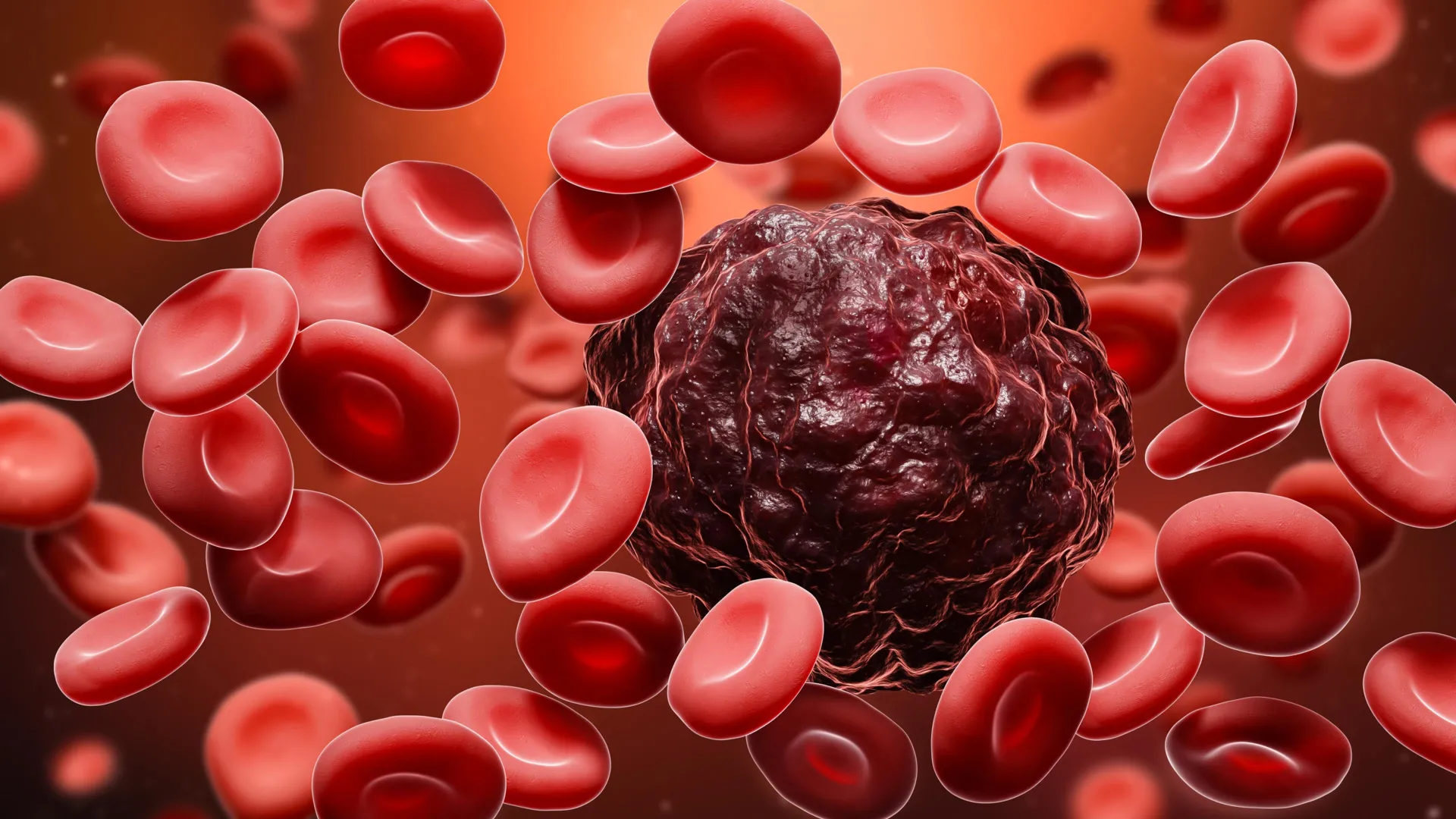
For patients battling the most aggressive forms of blood cancer, a stem cell transplant is often the final frontier—the only remaining path toward a potential cure when all other treatments have failed. Yet, the specter of relapse remains a constant, haunting threat. When cancer returns post-transplant, clinicians are often left with a dwindling arsenal of options, hindered by the biological reality that the very cells used to rebuild a patient’s immune system are often indistinguishable from the malignant ones.
Now, a pioneering clinical trial led by researchers at the Washington University School of Medicine in St. Louis suggests a transformative solution: a “genetic shield” for donor stem cells. By using CRISPR technology to strip away a specific protein from donor cells before they are ever introduced to the patient, doctors may soon be able to unleash powerful, targeted immunotherapies that destroy cancer cells while leaving the patient’s newly established healthy blood system entirely untouched.
The Conundrum of Shared Targets in CAR-T Therapy
The promise of Chimeric Antigen Receptor (CAR-T) cell therapy has revolutionized oncology, turning previously incurable diagnoses into manageable or even curable conditions. By reprogramming a patient’s own immune cells to hunt and destroy malignant cells, CAR-T has achieved remarkable success in various blood cancers. However, its application in myeloid malignancies—specifically acute myeloid leukemia (AML) and myelodysplastic syndrome (MDS)—has remained stubbornly out of reach.
The fundamental hurdle is one of identity. Many of the protein markers that identify AML and MDS cancer cells are not unique; they are also expressed on healthy myeloid cells. These markers are essentially the “ID badges” that the immune system uses to identify and attack invaders.
“The problem,” explains Dr. John F. DiPersio, the Virginia E. & Sam J. Golman Professor of Medicine at WashU Medicine and the study’s corresponding author, “is that if we program CAR-T cells to hunt for a protein like CD33, those cells cannot distinguish between a malignant cancer cell and a healthy, donor-derived stem cell.”
When a patient undergoes a stem cell transplant to replace their marrow, the donor cells carry these same ID badges. If a doctor then administers a potent CD33-targeting therapy to wipe out residual cancer, the treatment inevitably acts as a double-edged sword, inadvertently obliterating the healthy donor cells. This collateral damage not only triggers dangerous inflammatory responses but also dilutes the potency of the cancer treatment, as the immune cells spend their energy attacking healthy tissue instead of focusing exclusively on the malignancy.
Chronology of a Medical Breakthrough
The intellectual lineage of this approach traces back to Dr. Miriam Y. Kim, now an assistant professor of medicine at WashU Medicine. While working as a postdoctoral researcher at the University of Pennsylvania, Kim hypothesized that if one could genetically “delete” the target protein from healthy stem cells before transplantation, those cells would become invisible to subsequent targeted therapies.
Kim continued this research in the DiPersio lab after joining the faculty at Washington University. The concept moved from the laboratory bench to human clinical trials, resulting in a multicenter study conducted at Siteman Cancer Center at Barnes-Jewish Hospital and 14 other prestigious institutions across the U.S. and Canada.
The clinical trial, involving 30 adults with high-risk AML or MDS, utilized a gene-edited stem cell product known as tremtelectogene empogeditemcel (or “trem-cel”), developed by Vor Biopharma. Between the initiation of the study and the publication of the results in Nature Medicine, the team saw a landmark success case. In a separate report published in JCO Precision Oncology in October 2025, researchers detailed the case of a patient with high-risk AML who received the CD33-deleted transplant. When the patient’s cancer recurred, they were successfully treated with CD33-targeted CAR-T cells derived from the original donor. The patient achieved complete remission and remained cancer-free more than a year later, with their bone marrow successfully repopulated by the CD33-negative donor cells.
Decoding the Science: Why CD33?
The selection of CD33 as the primary target for this gene-editing strategy was deliberate. CD33 is expressed almost exclusively on the surface of blood-forming cells, sparing other vital tissues such as the heart, lungs, or brain.
Crucially, human biological data suggests that CD33 is not a requirement for survival. There are individuals born with a natural, genetic deficiency of CD33 who lead healthy, normal lives without evidence of hematological impairment. This provides clinicians with a "green light" to delete the protein: the stem cells remain functional and capable of rebuilding the blood system, but they gain a newfound, permanent resistance to any therapy designed to home in on the CD33 marker.
Supporting Data: Safety and Efficacy Metrics
The Phase 1/2 trial provided the necessary data to determine if these edited cells could safely integrate into the human body. The results were highly encouraging:
- Engraftment Success: All 30 patients achieved successful engraftment by day 28. This means the modified donor cells effectively migrated to the bone marrow and began the critical work of hematopoiesis—producing new, healthy blood cells.
- Recovery Timelines: On average, platelet production returned by day 16. These recovery windows are statistically similar to those observed in patients undergoing standard, non-modified stem cell transplants, suggesting that the CRISPR-editing process does not hinder the stem cells’ regenerative capabilities.
- Maintenance Therapy: To test the "shield," 19 patients received gemtuzumab ozogamicin, an antibody-drug conjugate that targets CD33. In conventional transplant patients, this drug often causes severe, dose-limiting depletion of blood cells. In the trial participants, however, blood cell counts remained stable across various doses, proving that the CD33-deleted cells were indeed protected from the drug’s toxic effects.
- Survival Rates: The average survival rate of the cohort was just over 14 months, a promising figure given the high-risk, relapsed nature of the patients enrolled in the study.
Official Responses and Clinical Implications
Dr. DiPersio, who also directs the Center for Gene and Cellular Immunotherapy at WashU Medicine, views these results as a foundational pivot point in oncology.
“We are incredibly encouraged,” DiPersio stated. “The fact that a CD33-deleted stem cell transplant looks remarkably similar to the outcomes of a standard transplant tells us that we have achieved safety. In the future, we are hopeful we will be able to combine this with sophisticated immunotherapies, such as CD33-targeted CAR-T cells, to provide a level of aggressive cancer control that was previously impossible.”
However, the trial was not without risks. Seven patients died during the study period. Four deaths were attributed to the progression of the underlying cancer, while three were linked to complications frequently seen in high-risk transplants, such as sepsis, kidney failure, and liver toxicity. These complications remain a reality of treating advanced-stage leukemia, but researchers maintain that the ability to safely administer targeted immunotherapy may eventually lower these numbers by preventing relapses.
Looking Ahead: The Future of Personalized Immunotherapy
The implications of this research extend far beyond AML and MDS. By creating "shielded" stem cells, the researchers have essentially created a new platform for medicine. This "shielding" strategy could potentially be adapted to target other proteins on other types of cancers, allowing doctors to use increasingly potent, "nuclear" immunotherapy options that were previously discarded due to their toxicity to healthy cells.
As the scientific community digests the data published in Nature Medicine, the focus shifts to larger, randomized trials that will seek to confirm whether this survival advantage translates into long-term cures for a broader patient population. For the families of patients with high-risk blood cancers, the work being done at WashU Medicine and Siteman Cancer Center represents more than just data points; it represents the first real possibility of winning the war against a cancer that, until now, had nowhere else to go.
Disclaimer: This study was supported by Vor Biopharma. Several co-authors were employees of the company at the time of the research.